First-time class goers
Gloves, wraps and a mouthguard cover almost every beginner class. Add the rest once you know you love it.
You need less than you think to start boxing, and the right few pieces make every session safer and more fun. Here is what we would pack for your first class, and what to add if you train at home.
Six ranges, in the order we would buy them.
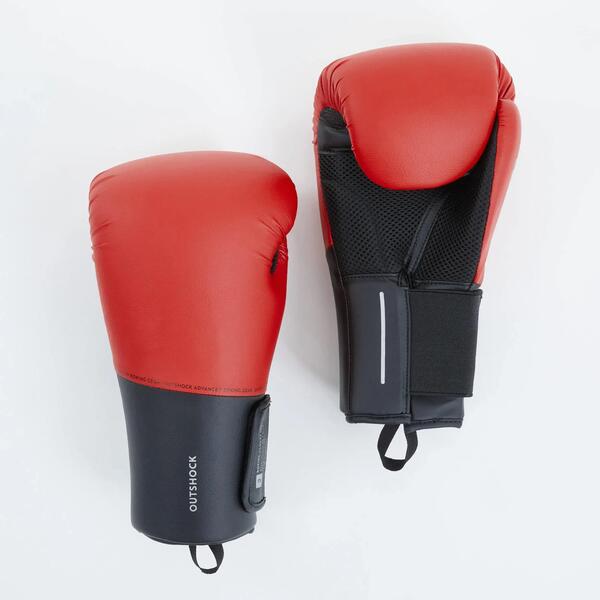
Boxing, sparring and MMA gloves in adult and kids' sizes.
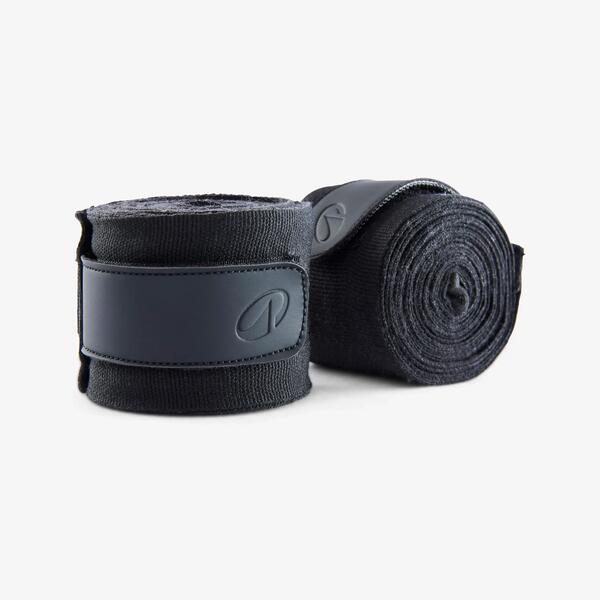
Cotton and stretch wraps, plus rope and wrap bundles.
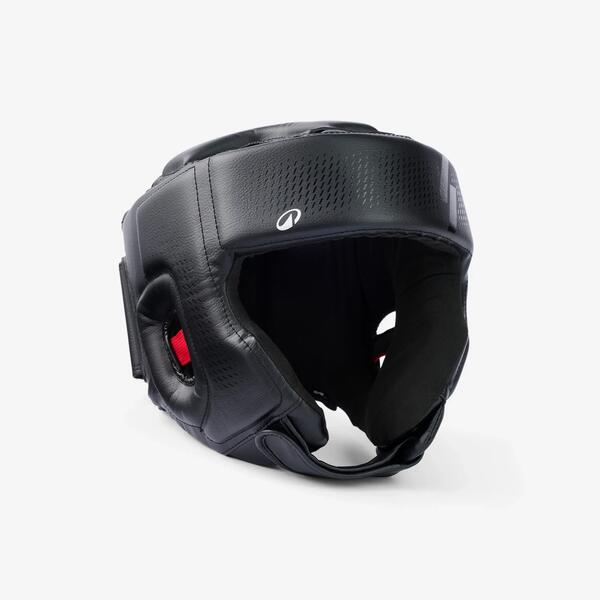
Mouthguards, headguards, groin guards and shin guards together.
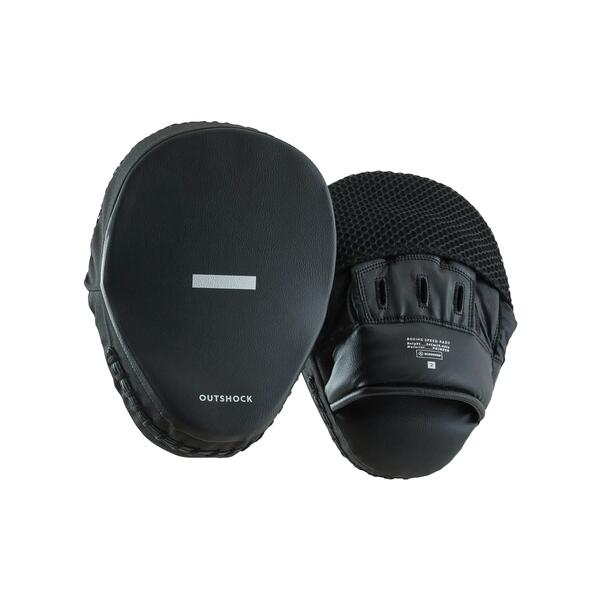
Curved and straight pads for partner and coach drills.
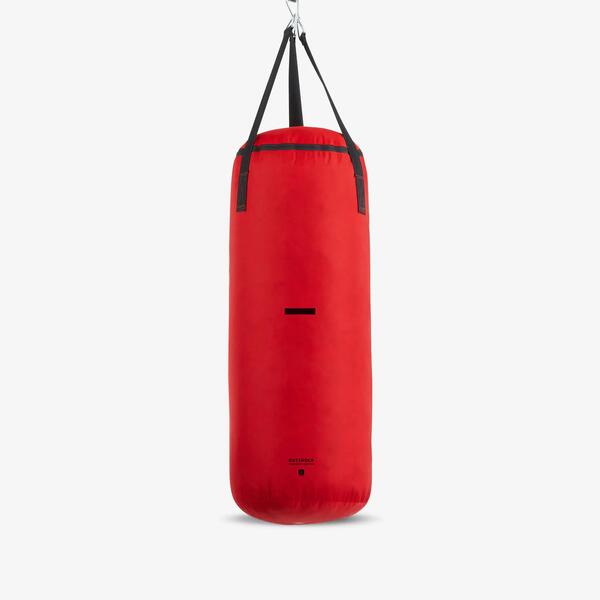
Hanging, freestanding and speed bags for training at home.
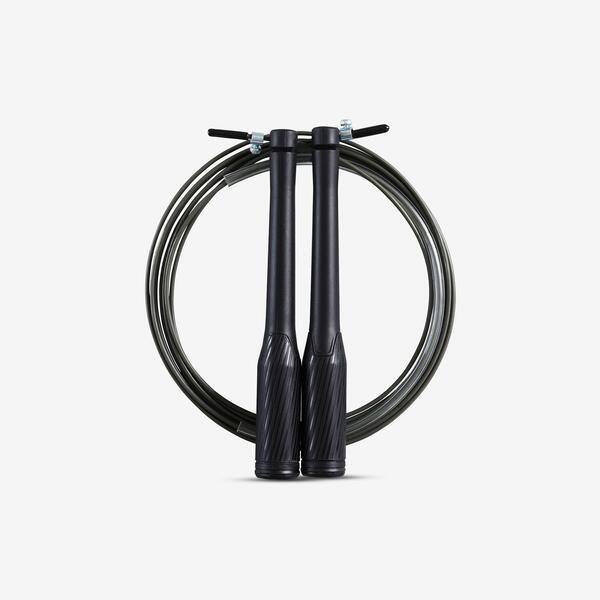
Speed, weighted and leather ropes for fitness and footwork.
Most beginners do best with a training glove that handles bag work, pads and light sparring. Weight is listed in ounces, and heavier gloves carry more padding. Your coach can tell you what weight the gym expects for sparring.
Longer wraps give more coverage across the knuckles and wrist, while shorter ones suit smaller hands. Stretch wraps hug the hand and are easier to learn with. Practise at home so wrapping up before class takes a minute, not ten.
A boil-and-bite mouthguard moulds to your teeth and should sit firmly without you clenching to hold it. If it feels loose or makes breathing hard, refit it or try another size. Many people later move to a custom guard from a dentist.
Hanging bags need a solid beam or bracket, while freestanding bags sit on a base you fill with water or sand. Measure your ceiling height and floor space before you buy. If you rent, a freestanding bag is usually the simpler choice.
Gloves, wraps and a mouthguard cover almost every beginner class. Add the rest once you know you love it.
A bag, a skipping rope and your own gloves let you practise rounds on your schedule. Wraps still matter at home.
Our ranges include kids' gloves, headguards and pads. Check the club's age rules and kit list first.
| Item | Why it matters | Tip |
|---|---|---|
| Boxing gloves | Protect your hands and your partner | Ask your coach which weight they use for sparring |
| Hand wraps | Support the wrist and knuckles inside the glove | Wash after every session and roll them up dry |
| Mouthguard | Protects teeth and gums during contact | Rinse after use and store it in its case |
| Headguard | Adds padding for sparring | Usually only needed once you start sparring |
| Skipping rope | Builds rhythm, footwork and fitness | Size it so the handles reach your armpits |
| Focus pads | Train combinations with a partner | Take turns holding so you both learn |
| Punch bag | Lets you practise rounds at home | Check your ceiling or floor space first |
| Water bottle and towel | Classes are sweaty work | Bring both even if the gym has a fountain |
Comfortable training clothes, indoor shoes or clean trainers, a water bottle and a towel are the basics. Most people also bring hand wraps and a mouthguard, since those are personal items you will not want to share. Many gyms lend gloves for a first session, so call ahead and ask before you buy. Once you have done a few classes, your own gloves are the next thing worth getting.
Boxing gloves are sized by weight in ounces, and heavier gloves have more padding. Lighter gloves are common for bag and pad work, while sparring usually calls for heavier, more padded gloves, and many gyms set a minimum. Your body weight and hand size also play a part, so check the size guide on each product and ask your coach what the gym prefers. A good fit feels snug around the hand with room for your wraps underneath.
Sweat trapped inside gloves is what causes the smell, so open them up and let them air out after every session. Wash your hand wraps after each use, because they soak up most of the sweat and help keep your gloves fresher. Glove dryers and deodorisers can help between sessions. Rinse your mouthguard, keep it in a ventilated case and replace it if it gets damaged or no longer fits well.
Most gyms supply the bags, pads, skipping ropes and a ring or open floor space, and many keep loan gloves for beginners. Personal items such as hand wraps and mouthguards are almost always up to you, for hygiene reasons. Headguards for sparring vary, so some clubs provide them and others expect you to bring your own. It is worth asking for the club's kit list before your first class.
Not usually. Beginner classes tend to focus on technique, fitness, bag work and pads, with no contact between partners. A headguard becomes relevant when you start sparring, and your coach will tell you when that is and what they recommend. Even with a headguard, sparring should always be supervised and matched to your experience.
Start with the basics, learn from a good coach and build your kit as you go. We have everything you need across our combat sports range.
Free delivery on orders over $150. Members get our lifetime warranty.