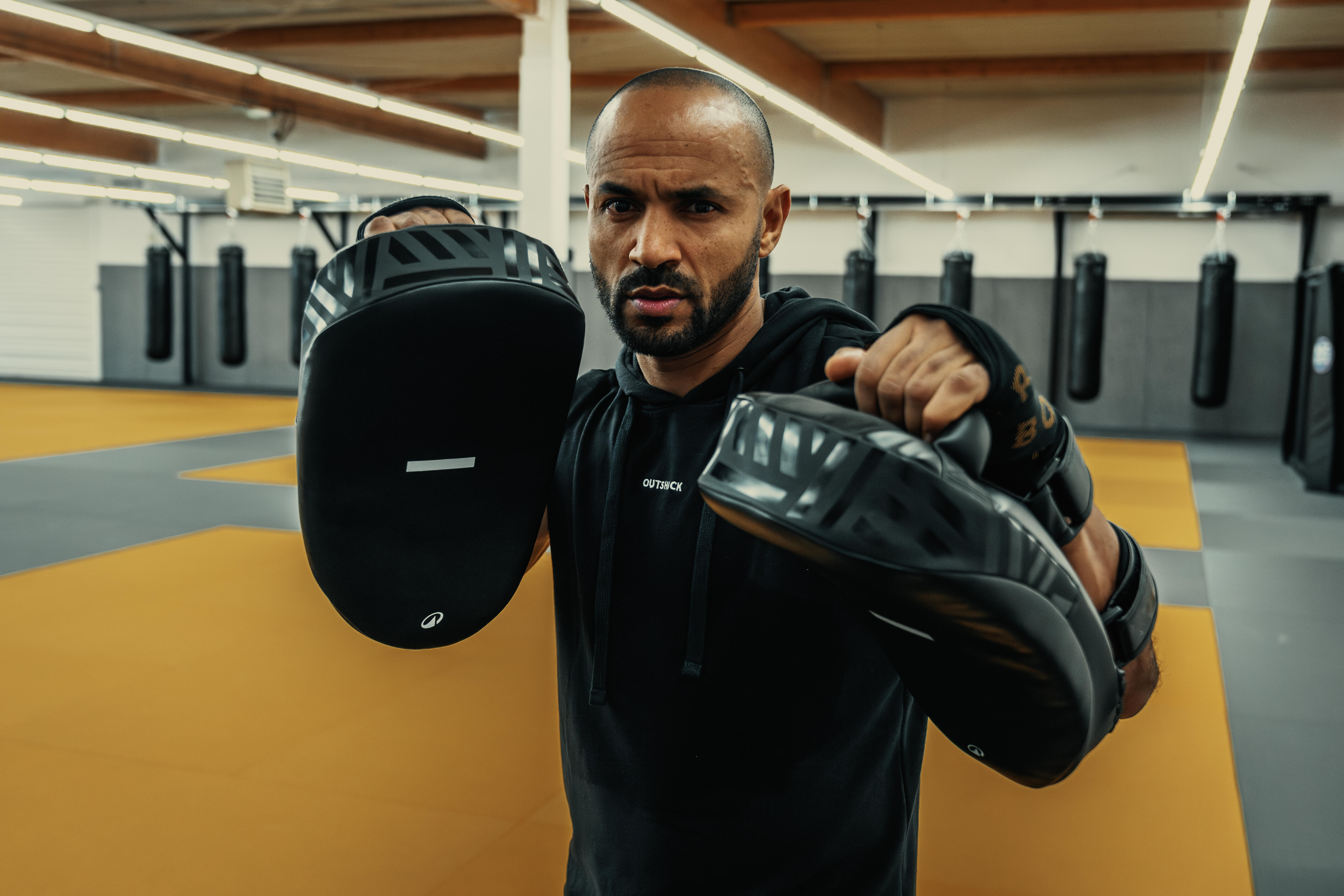
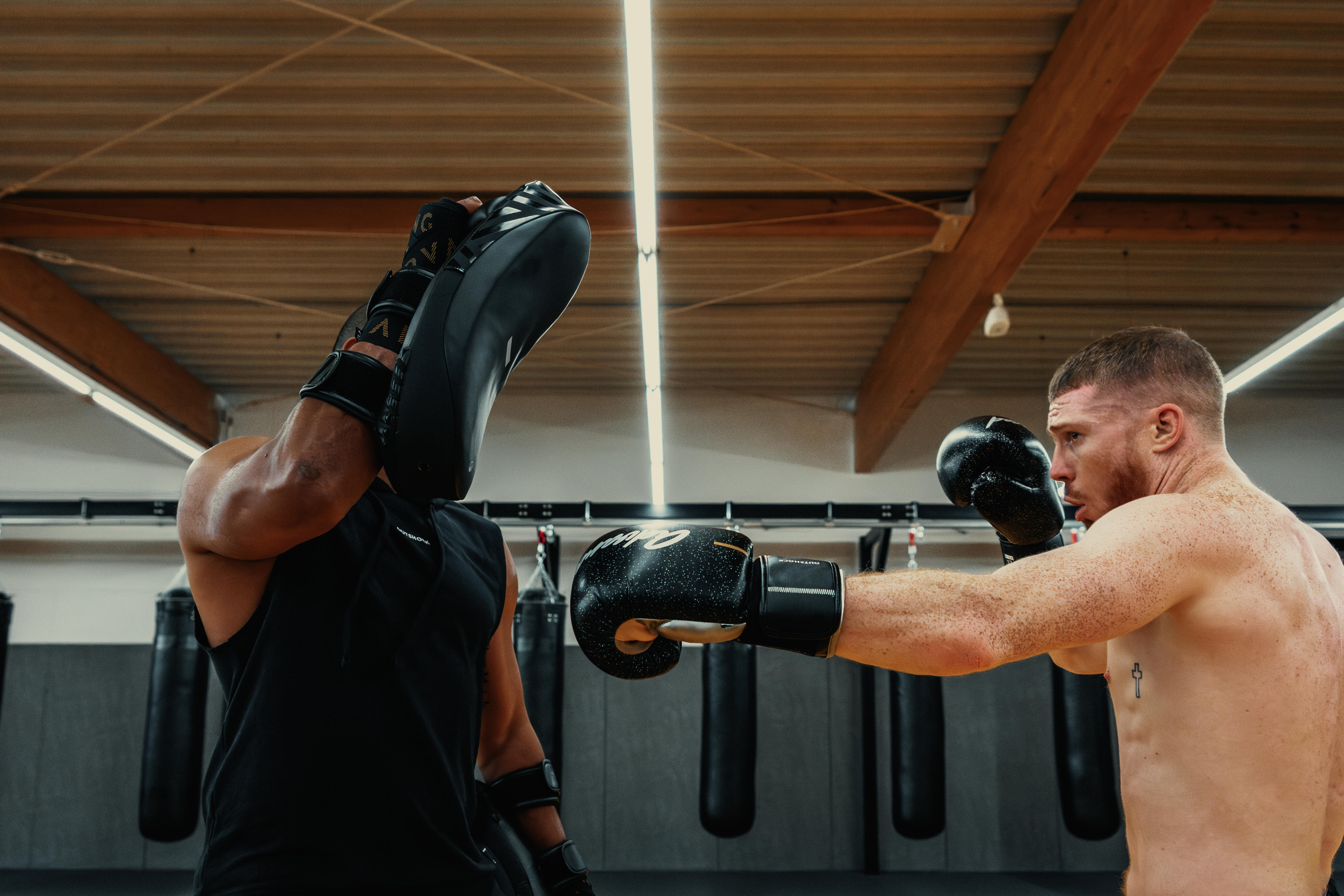
Boxing pads bring a training partner into every punch, combination and reaction. Instead of working against a fixed target, you can practise timing, accuracy and movement as the target changes with the drill. From learning combinations to putting them together at pace, pad work keeps training active, responsive and focused.
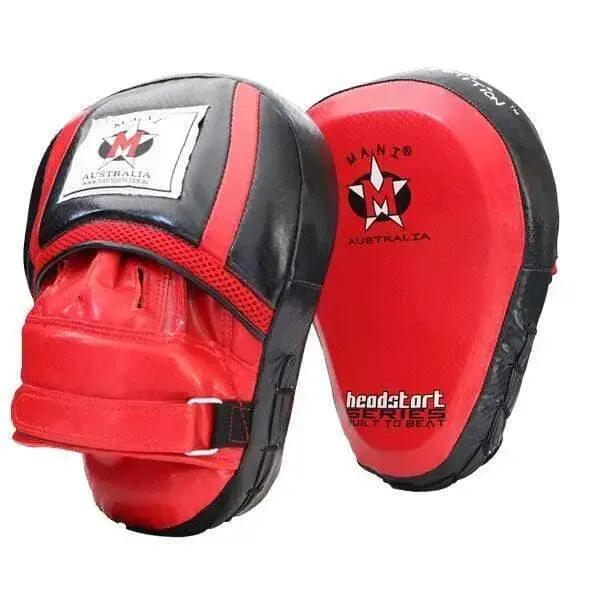
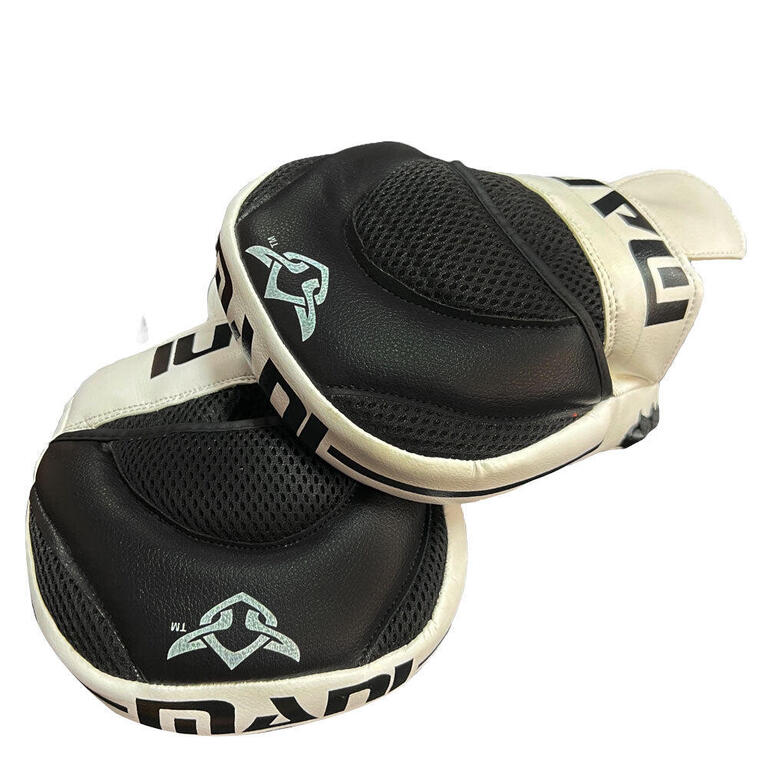
Start with the strikes and drills you want to practise, as different boxing pads suit different types of partner work. Compact focus mitts are useful for fast combinations, accuracy and reaction drills, while larger or more heavily padded targets can handle harder strikes. If your training also includes kicks or knees, look for pads or shields built to take those strikes safely and comfortably.
Padding and Impact Absorption
Good padding helps absorb repeated strikes and reduces the impact transferred to the pad holder. Lighter padding can provide a more responsive feel for technique-focused drills, while thicker or denser cushioning is useful when training involves harder punches or frequent use. Look for enough protection for your training intensity without making the pads unnecessarily bulky.
Durability
Boxing pads take repeated impact, so construction becomes increasingly important if they're used regularly. Look for sturdy outer materials, reinforced stitching and secure straps or handles around areas that experience the most stress. Durable construction helps the pads maintain their shape and performance through frequent training.
Grip and Fit
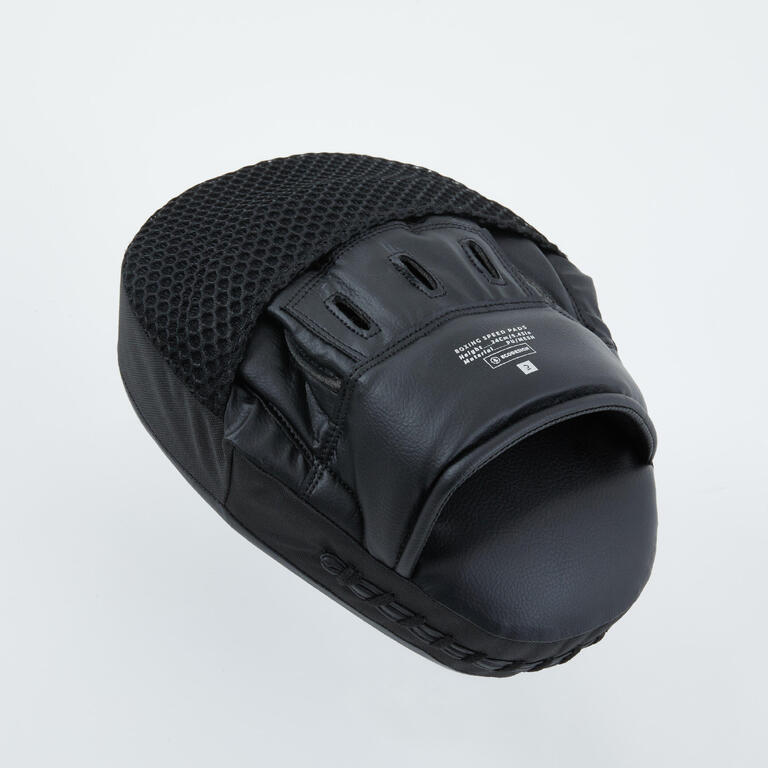
Boxing pads should feel secure and easy for the holder to control as combinations become faster. Check the hand compartment, straps or handles and look for a fit that limits unwanted movement without feeling restrictive. A stable hold makes it easier to position targets accurately and move naturally between punches.
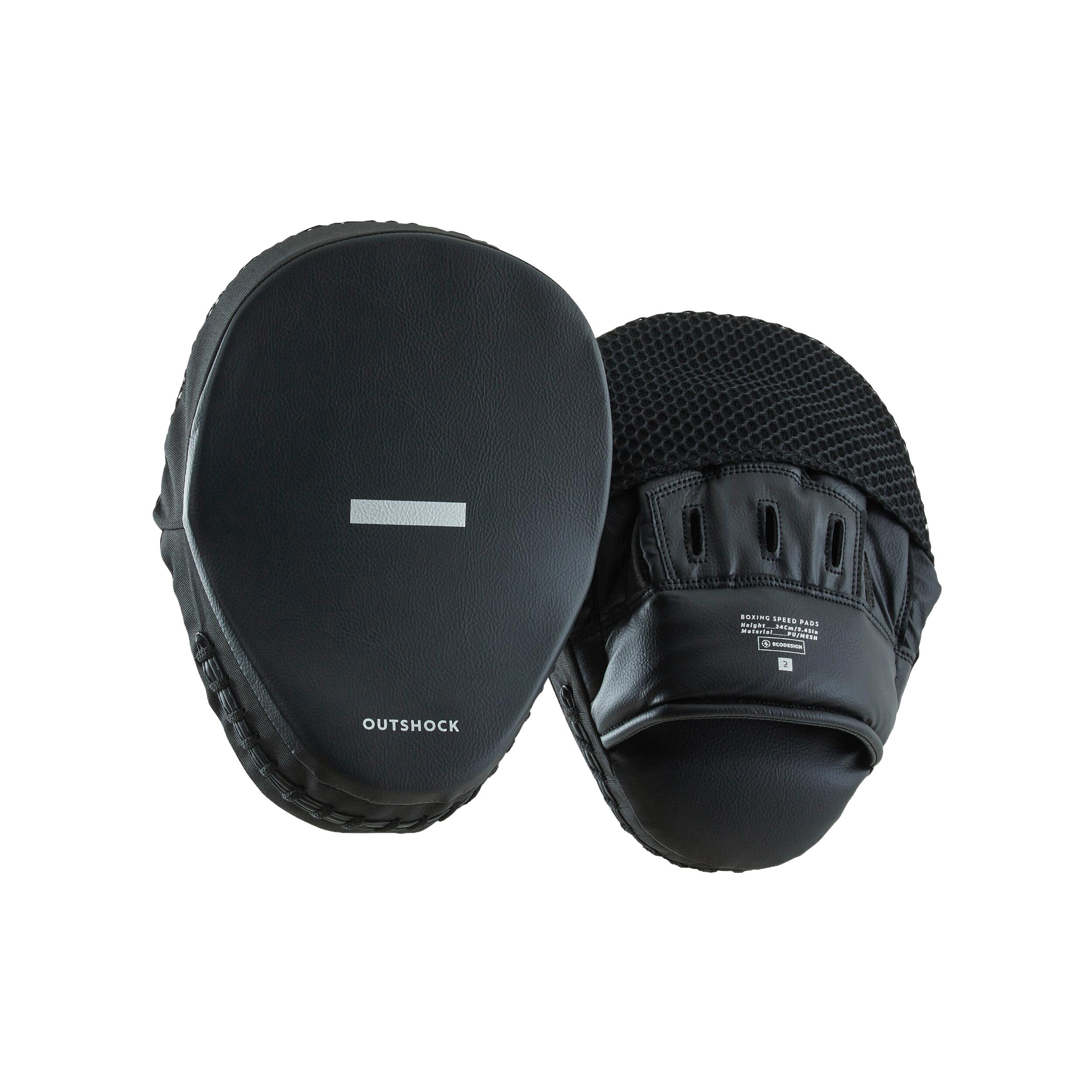
Speed and accuracy trainers. You work on quick combinations, reactions and precise punch placement. Lightweight focus mitts let your partner reposition targets quickly and keep drills sharp and responsive.
Regular partner trainers. You hold pads through repeated rounds and need them to stay secure and comfortable. Good cushioning and secure hand compartments or straps help manage repeated impact throughout the session.
Power and varied-strike trainers. Your sessions include harder punches or a broader mix of strikes. Larger, more cushioned pads and shields provide the target area and impact absorption needed for demanding drills.
Keeping Your Boxing Pads in Good Condition
Wipe down boxing pads after training, including both the striking surfaces and the areas that come into contact with the holder's hands. Let them air dry completely before storing them rather than packing them away while they're still damp. Check the outer material, stitching, straps, handles and hand compartments regularly for signs of wear. Pads used frequently may benefit from more regular checks around the areas that take repeated impact.
Boxing pads by type
Type
Best for
Speed mitts
Fast combinations, reaction work and accuracy drills
Most handheld boxing pads require one person to hold and position the targets while the other strikes. If you usually train alone, a punching bag or fixed striking target may be a more practical option.
What's the difference between speed mitts and focus pads?
Speed mitts are compact targets suited to quick combinations, reactions and accuracy work. Focus pads come in different shapes and sizes and can accommodate a broader range of punches and partner drills.
Are curved boxing pads better than flat pads?
Can boxing pads be used for kicks and knees?
What size boxing pads should I choose?
Neither is automatically better. Curved pads provide a shaped target that can help receive strikes, while flatter designs may suit different drills and holding preferences. Choose based on the type of pad work you plan to practise most.
Some can, but not every pad is designed for them. Smaller focus mitts generally suit punches, while larger kick pads and strike shields can accommodate kicks, knees and heavier strikes. Check the product's intended use before training.
Smaller pads are easier to move quickly and can suit speed and accuracy drills, while larger pads provide a bigger target for varied or more powerful strikes. Also consider the holder's comfort and control, particularly during longer pad sessions.
Make Every Round of Pad Work Count
Good pad work is about rhythm, timing and two people working together. The right boxing pads give the striker a clear target while helping the holder stay comfortable and in control through combination after combination. Get the setup working for both sides and every round becomes an opportunity to sharpen the next one.
 All SportsMenWomenKidsAccessoriesEquipment and LeisureHealth & NutritionBest DealsNew ArrivalsMarketplace

 Hiking & Trekking
 Swimming
 Cycling
 Fitness (Yoga/Pilates)
 Camping
 Running