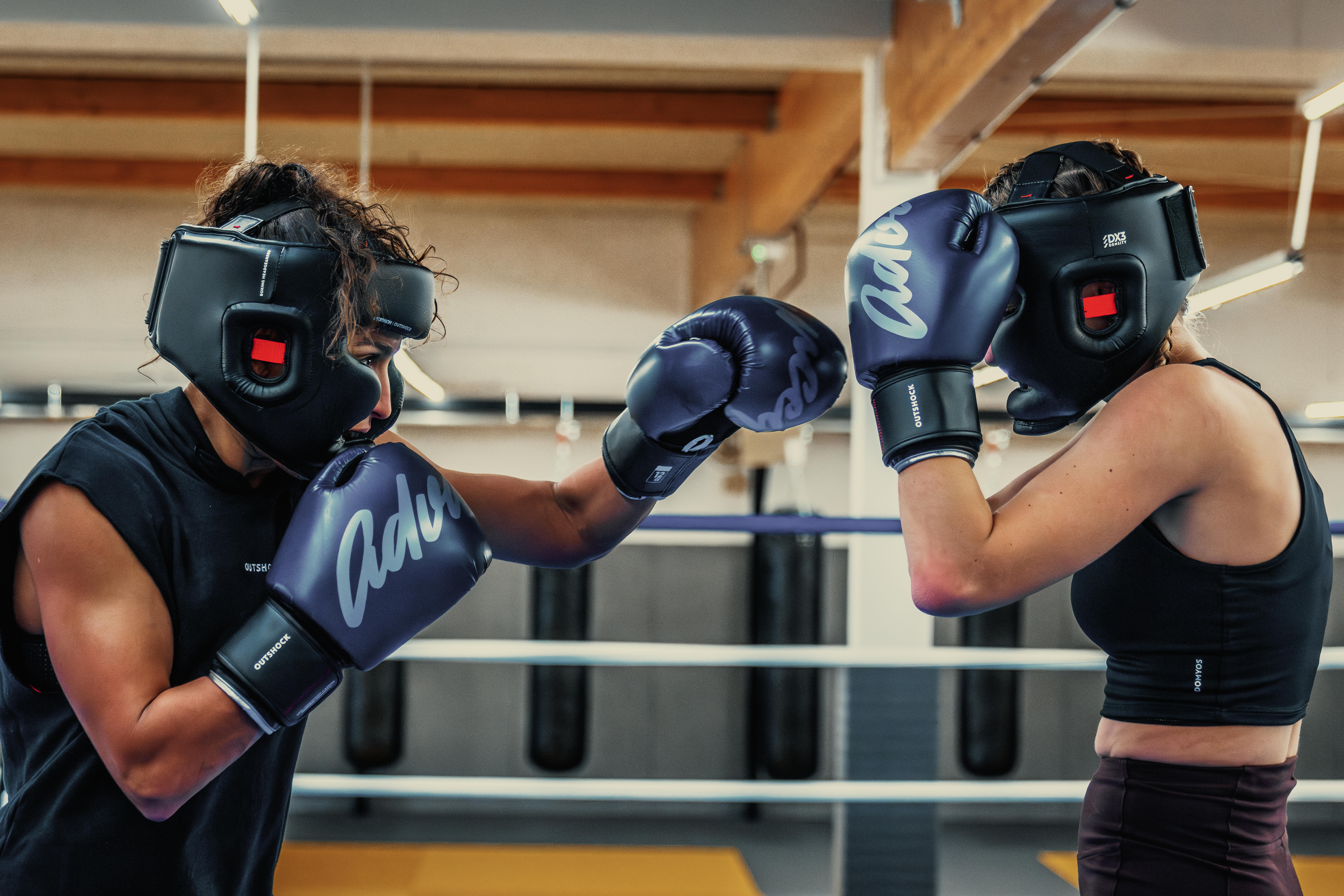
Sparring brings you closer to the action, where punches and accidental knocks are part of the session. Boxing headgear adds padded coverage around key areas of the head whilst allowing you to see, react and move with your opponent. It gives you added protection so you can keep your attention on timing, defence and technique.
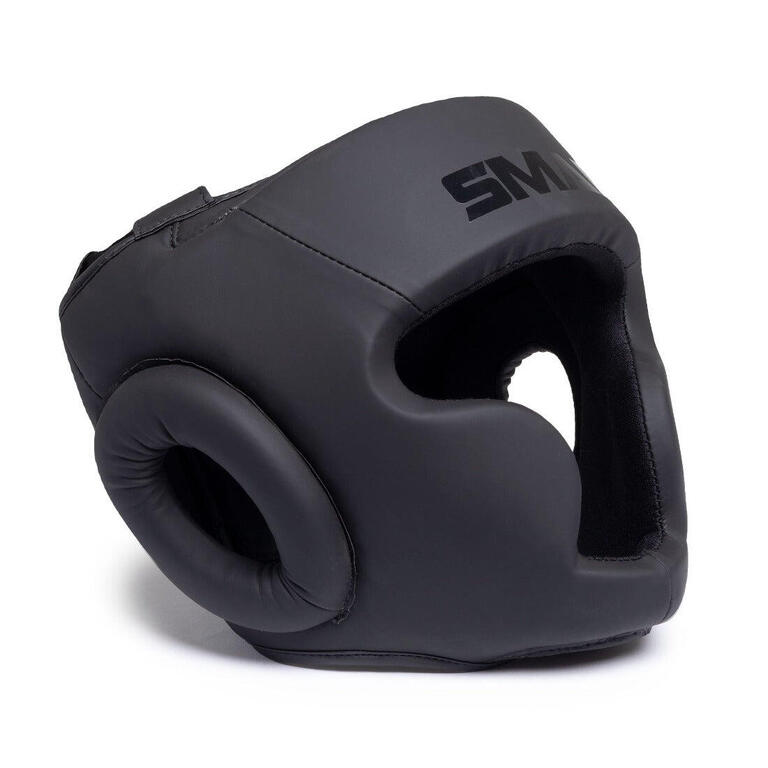
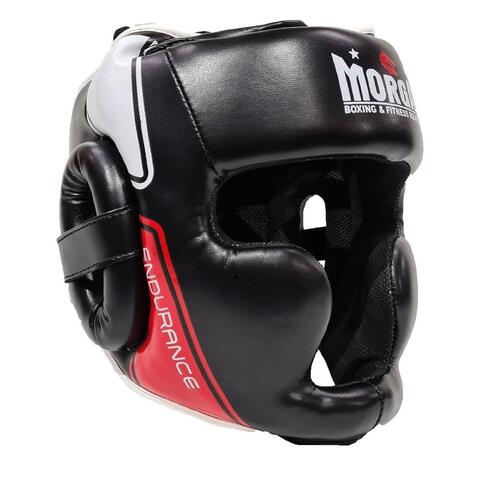
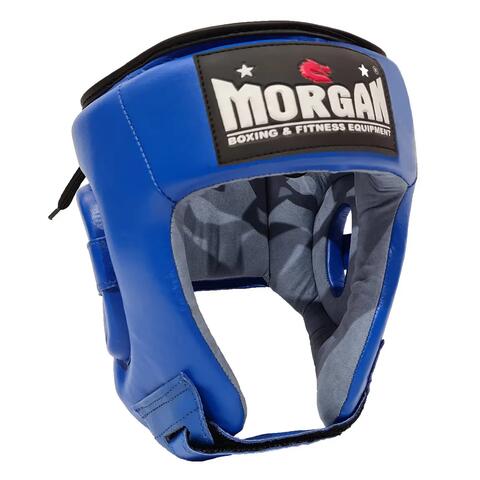
Boxing headgear comes with different levels of coverage, so consider the protection you need for the way you train. Open-face designs leave more of the face exposed and help maintain a clear field of vision, while fuller-coverage styles add padding around areas such as the cheeks, ears and chin. Consider your sparring intensity and aim for enough coverage without unnecessarily limiting visibility or movement.
Field of Vision
Being able to see your opponent clearly matters for reacting to punches and moving naturally during sparring. Padding around the cheeks and face can affect peripheral vision, particularly on fuller-coverage designs. Look for headgear that gives you the protection you need while maintaining clear sight lines ahead and to the sides.
Padding and Impact Protection
Padding helps cushion the contact that comes with sparring, so consider both how much is used and where it's positioned. More padding can add protection, but extra bulk may also affect visibility and movement. Match the level of cushioning to the intensity and frequency of your contact training.
Fit and Stability
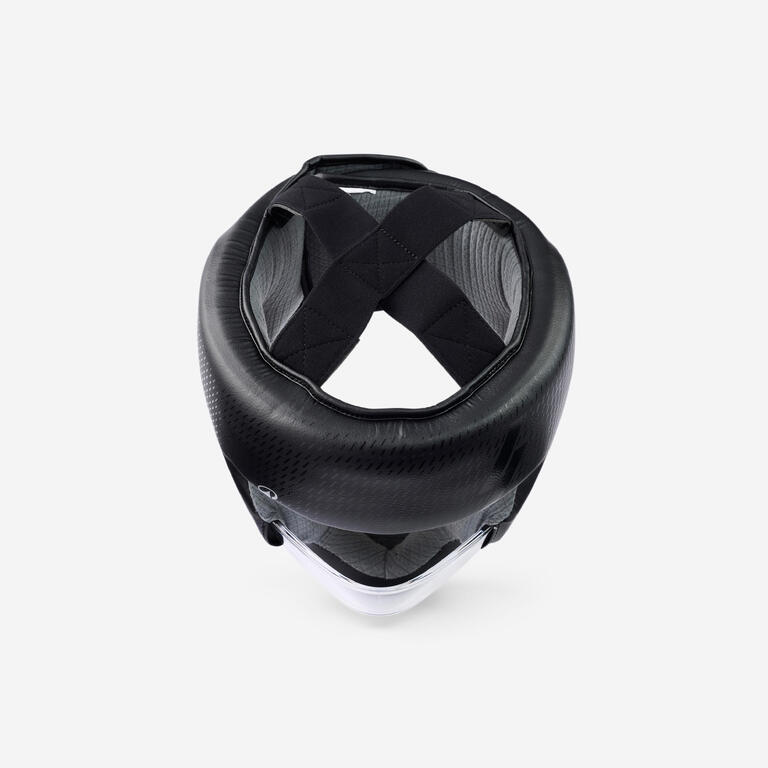
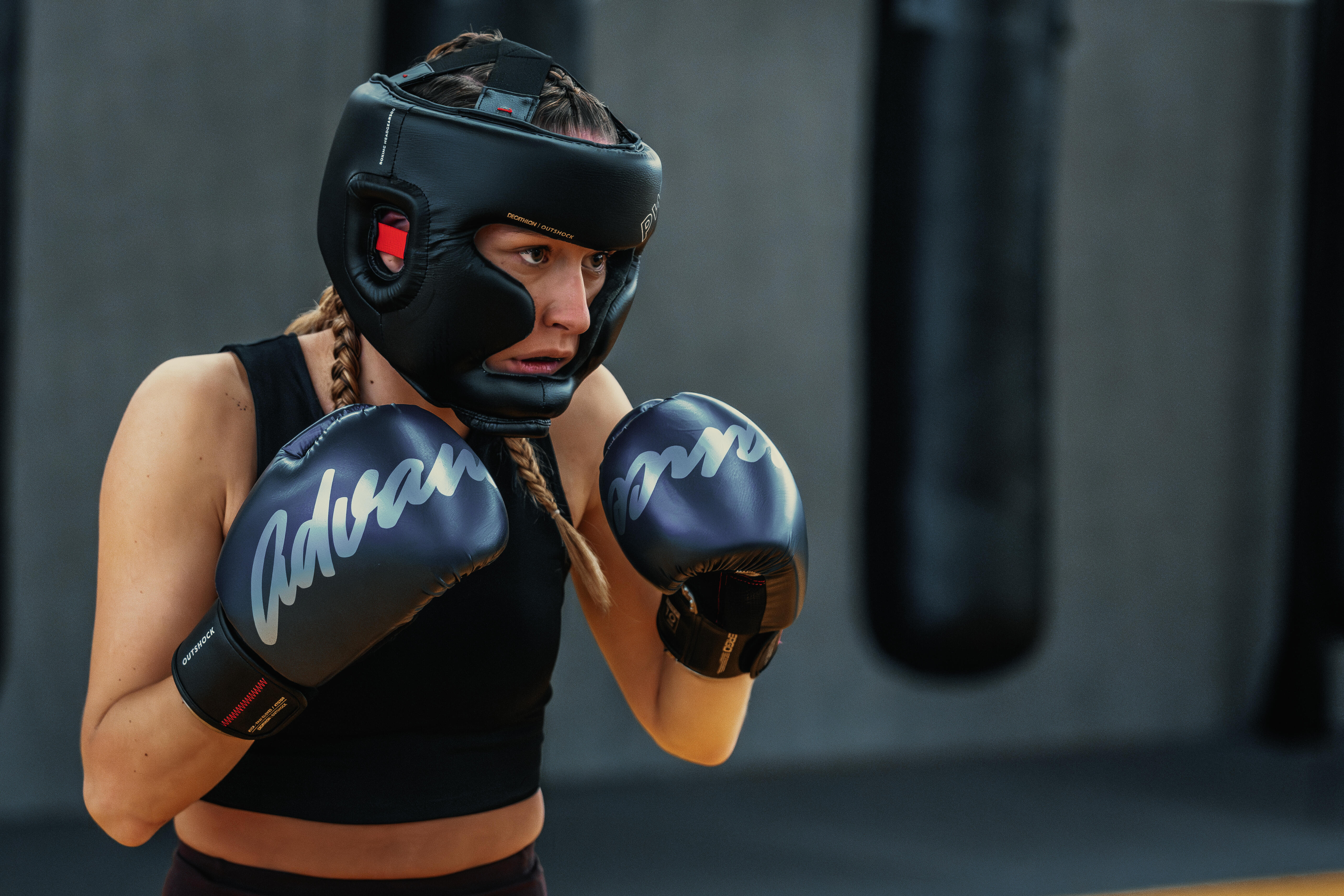
Headgear should stay securely positioned as you punch, slip, turn and take contact. Adjustable chin straps and closures around the back or top of the head can help create a snug, stable fit. It shouldn't rotate, slide across your face or create uncomfortable pressure once you start moving.
Technical sparring boxers. You focus on timing, defence and reactions during controlled partner work. Streamlined headgear can balance protective coverage with the clear field of vision you need to read incoming punches.
Regular sparring partners. Contact is a consistent part of your training, so solid coverage and a secure fit matter more. Look for sufficient padding and adjustment that stays comfortable and stable through repeated rounds.
Fuller-coverage seekers. You prefer added protection around areas such as the cheeks, ears or chin. Fuller-coverage headgear can suit this preference while still allowing enough visibility for natural reactions and movement.
Looking After Your Boxing Headgear
Wipe down the inside and outside of your boxing headgear after training, paying particular attention to padded areas that sit directly against the skin. Let it air dry completely before placing it in a training bag or enclosed storage space. Follow the manufacturer's instructions whenever deeper cleaning is needed, and check the straps, closures, stitching and padding regularly for signs of wear that could affect the fit.
Boxing headgear by type
Type
Best for
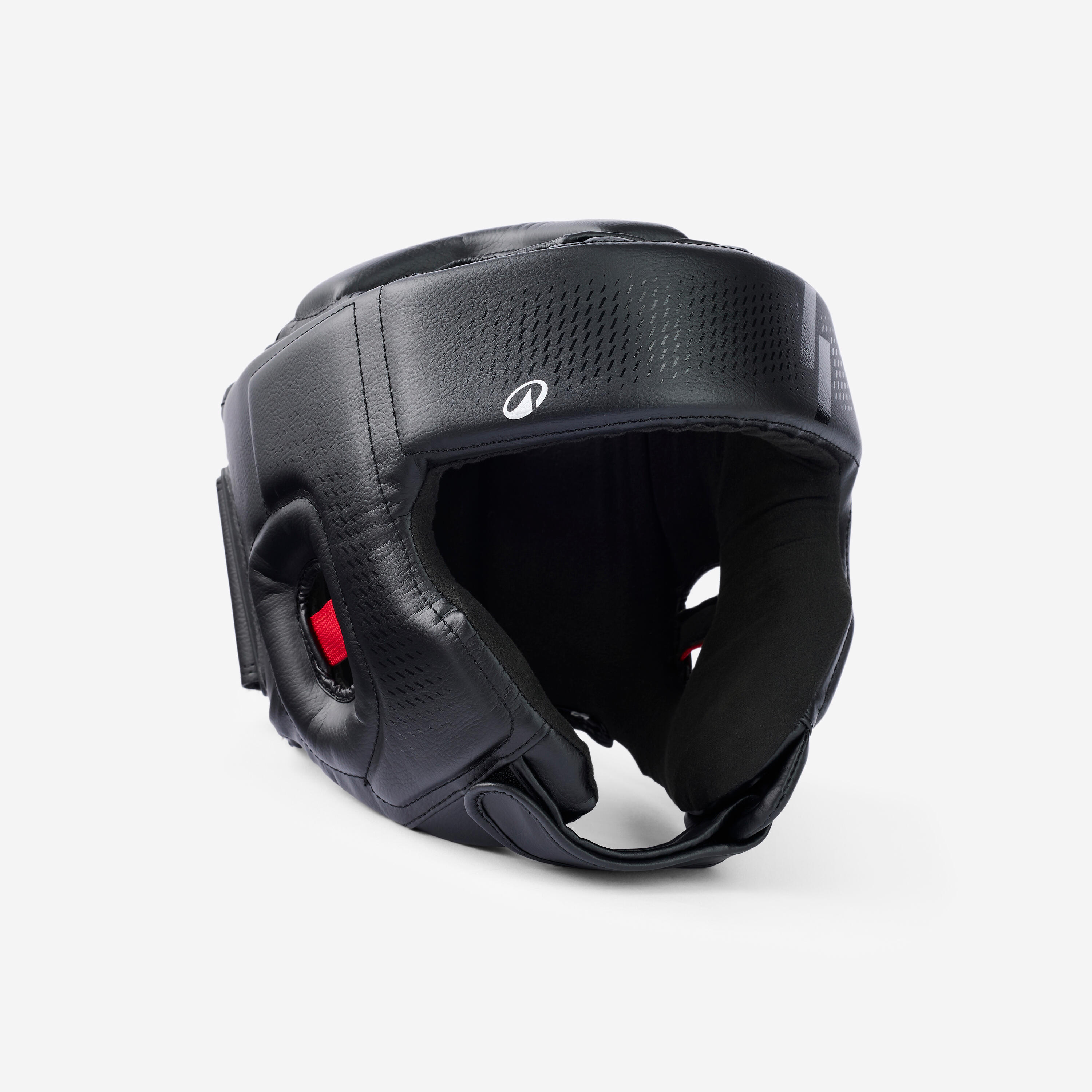
Open-face headgear
Technical training and maintaining a clear field of vision
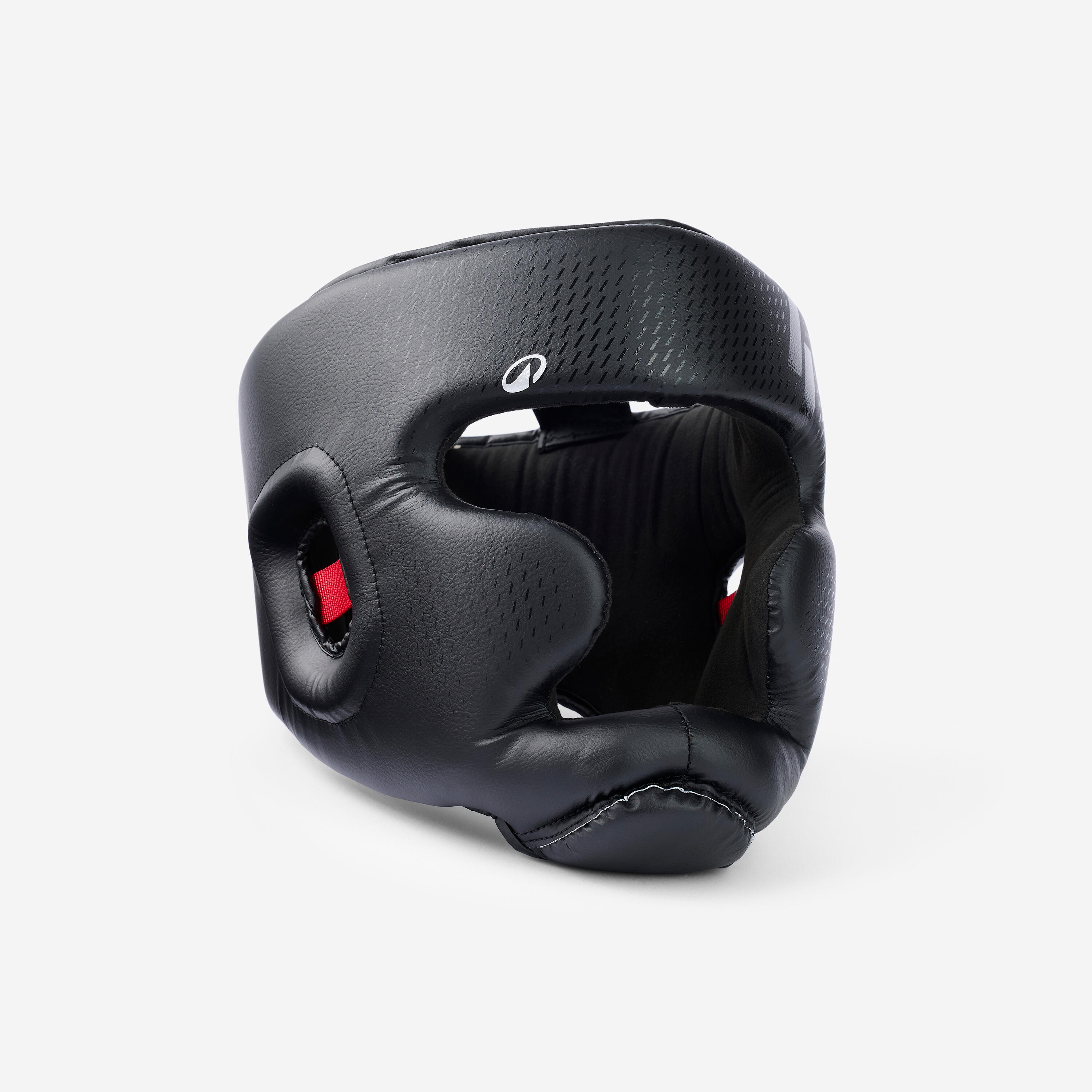
Sparring with additional protection across the front of the face
Bar-face headgear
Contact training where broader facial coverage is preferred
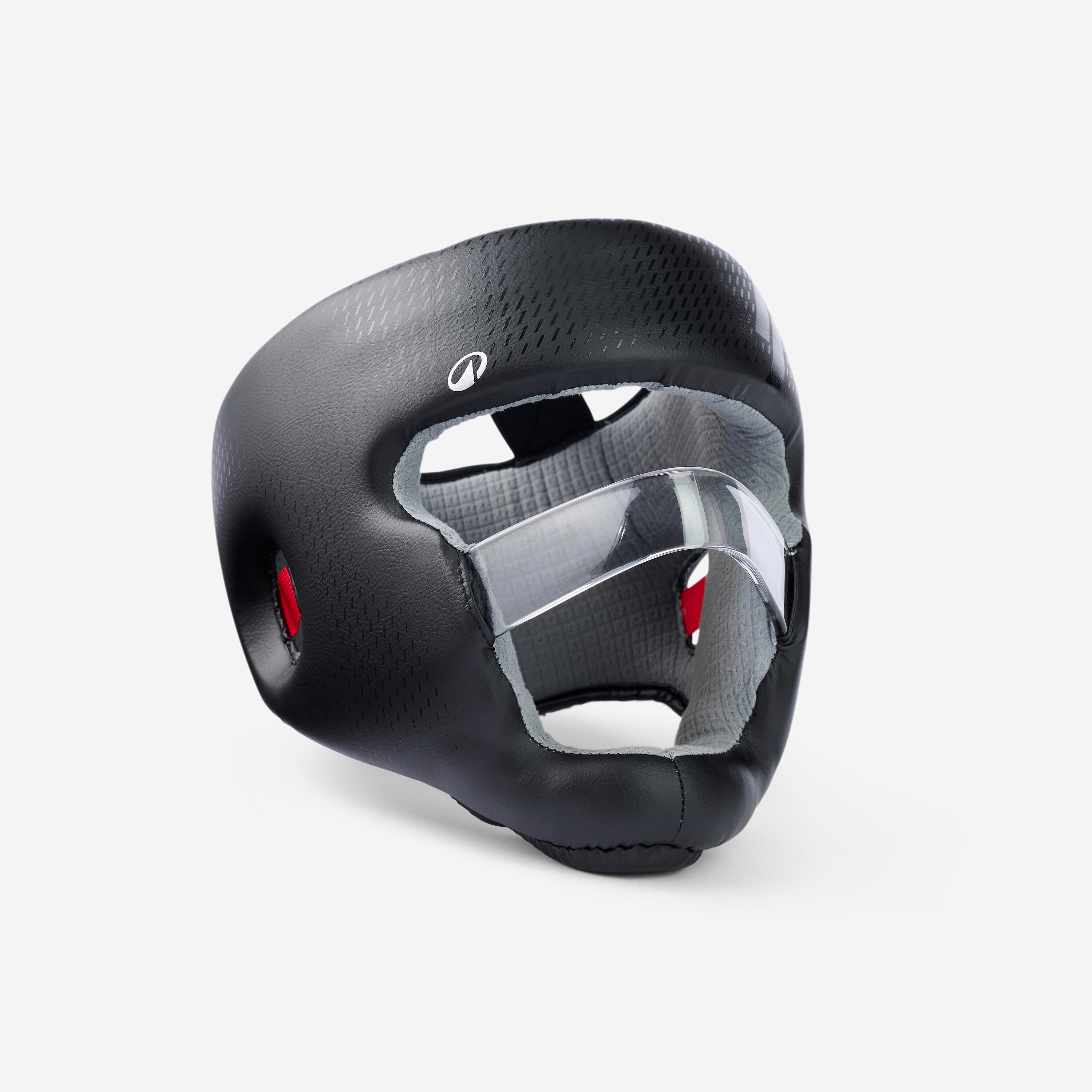
Face-shield headgear
Sparring where added cheek, chin and side coverage matters
No. Boxing headgear cannot prevent every head injury or guarantee protection from concussion. It can provide padding and help protect against certain impacts, cuts and abrasions, but controlled contact, appropriate supervision and safe sparring practices remain important.
What's the difference between open-face and full-face boxing headgear?
Open-face headgear leaves more of the face exposed and generally provides clearer sight lines, while fuller-coverage designs protect more areas around the face. Consider how much coverage you want without unnecessarily limiting your visibility.
How do I know if boxing headgear fits properly?
Can I wear boxing headgear with a mouthguard?
Do I need boxing headgear for every training session?
It should sit snugly without rotating or sliding as you move. Adjust the straps and closures until it stays securely positioned without uncomfortable pressure, and make sure you can still see clearly around you.
Yes. Headgear and mouthguards protect different areas and can be worn together during appropriate contact training. Make sure both fit correctly without interfering with breathing, visibility or natural movement.
Not necessarily. Headgear is generally more relevant when your session involves sparring or contact rather than non-contact drills, bag work or fitness training. Follow the requirements set by your coach, gym or sporting organisation.
Stay Focused When the Round Starts
Good boxing headgear should feel secure enough that you're not thinking about it every time you move. With coverage suited to your sparring and a fit that keeps your vision clear, you can concentrate on reading your opponent, reacting and working on technique. Once the round starts, that's where your attention should be.
 All SportsMenWomenKidsAccessoriesEquipment and LeisureHealth & NutritionBest DealsNew ArrivalsMarketplace
 Hiking & Trekking
 Swimming
 Cycling
 Fitness (Yoga/Pilates)
 Camping
 Running