Every session calls for a kit that can keep up with the work you're putting in. Boxing gear brings together the protective wear, training essentials and accessories that see you through warm-up and every round after. Keep your kit ready for the way you train, on fitness, technique or contact practice.
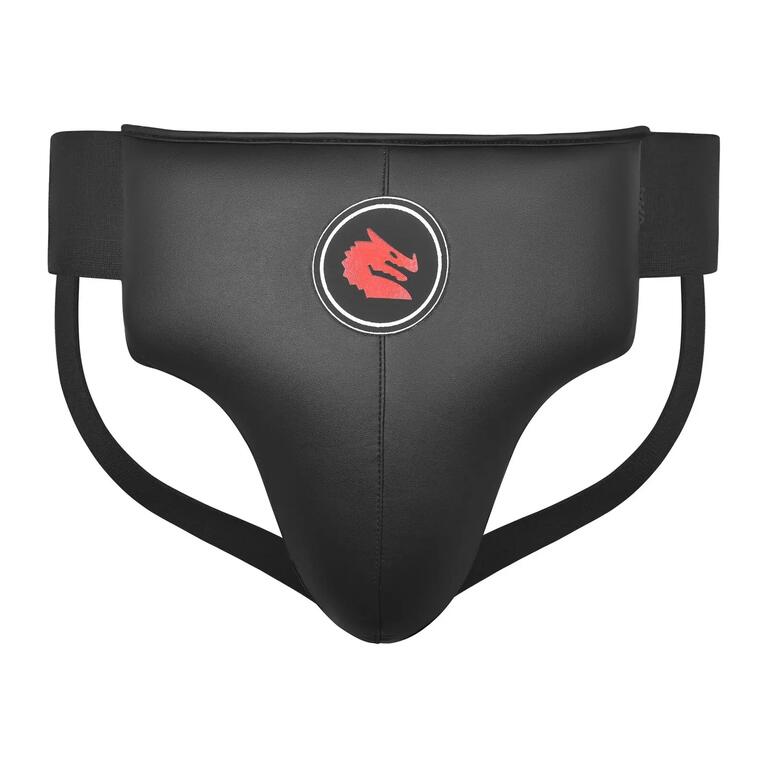
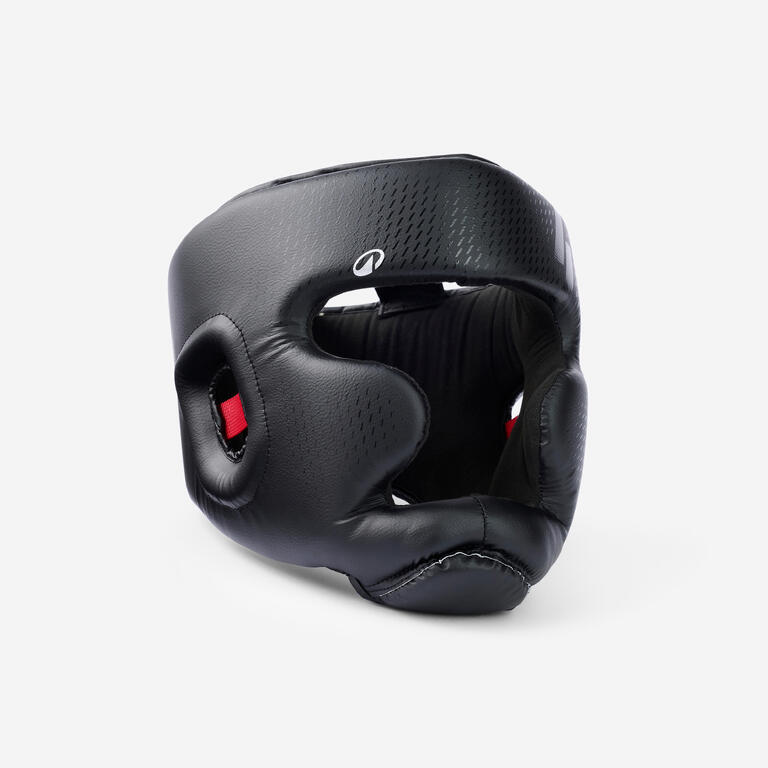
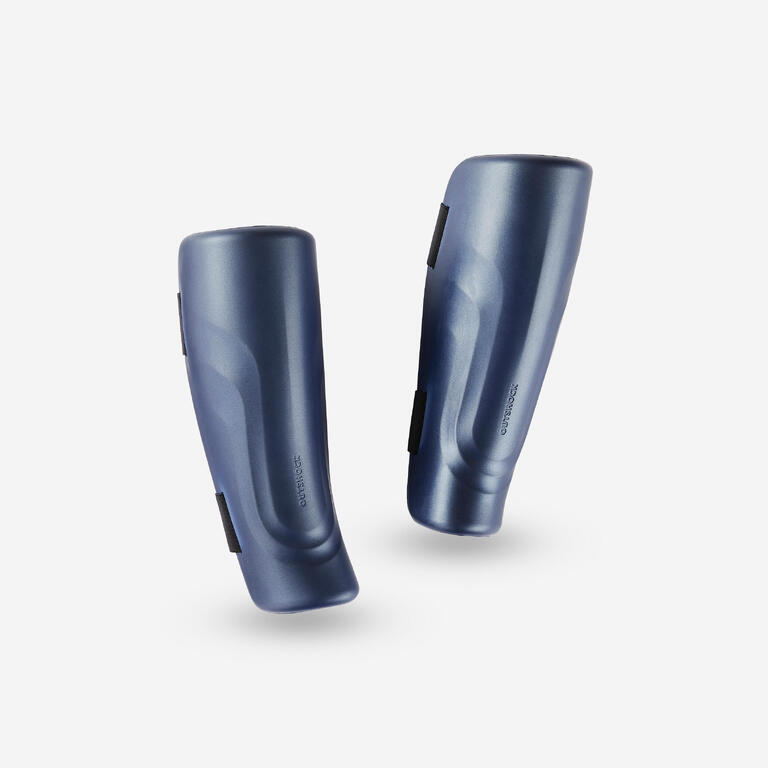
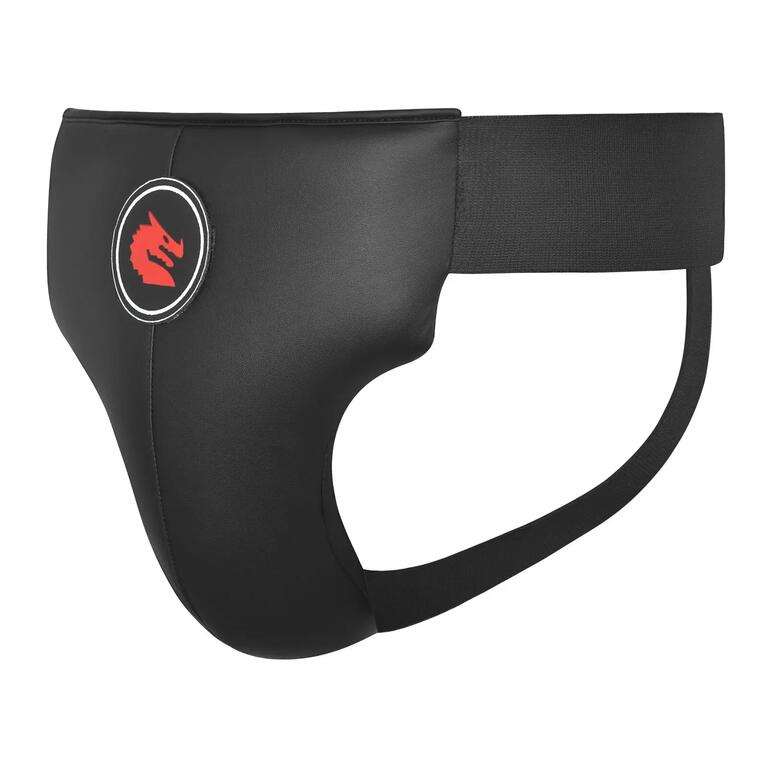
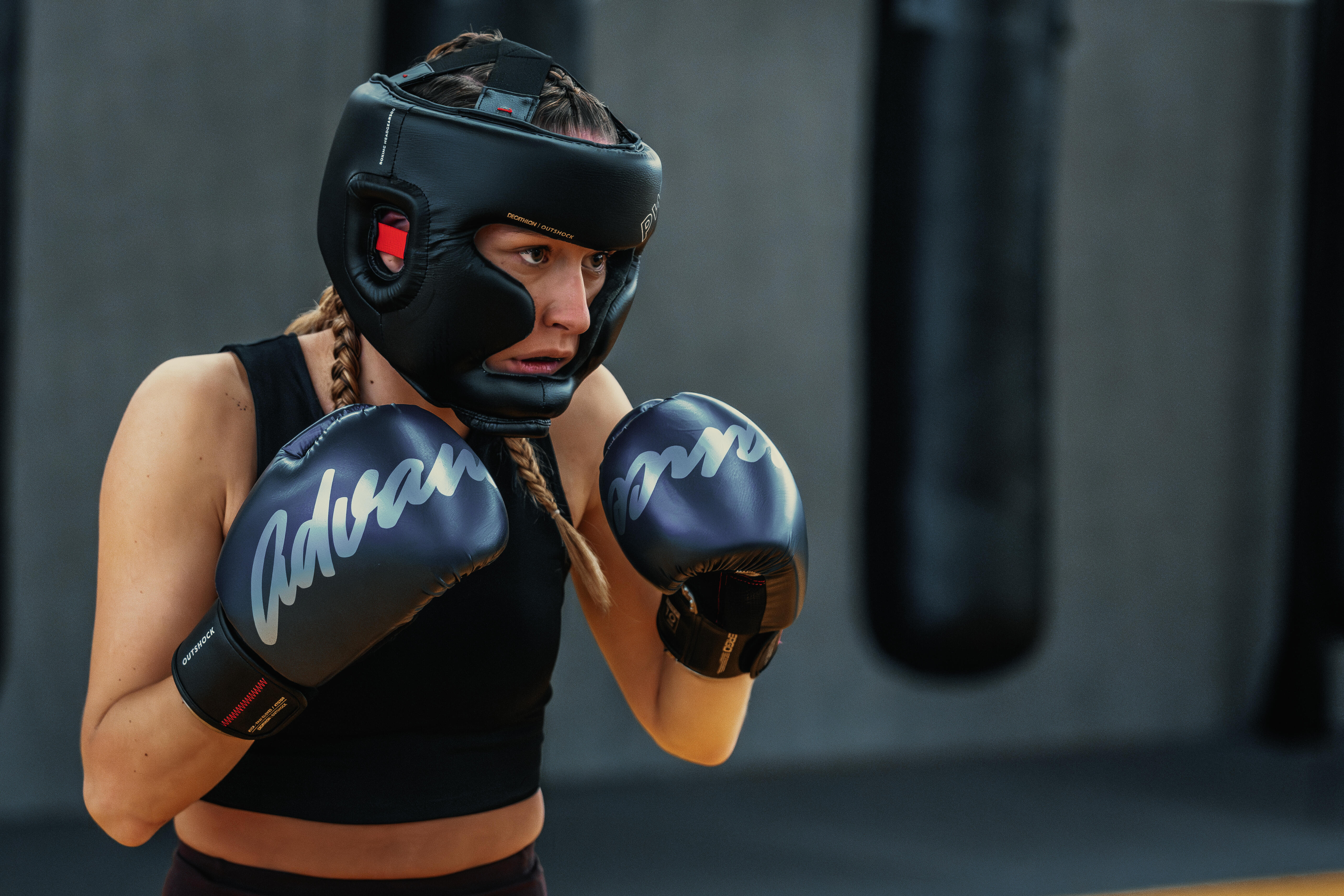
Protective boxing gear should provide coverage where contact and repeated impact are most likely during training. Look at the amount and placement of padding in items such as headgear, shin guards and other protective wear, making sure the key impact areas are properly covered. The level of protection should suit the gear's intended use without adding unnecessary bulk that gets in the way of movement.
Fit and Adjustability
Boxing gear should stay securely positioned as you punch, pivot and move through a session. Look for adjustable straps, closures, elastic sections or other fit features that let you secure the item comfortably to your body. A close, stable fit helps limit shifting without restricting footwork, rotation or your natural range of movement.
Durability and Construction
Regular training exposes boxing gear to movement, sweat, friction and, depending on the product, repeated impact. Look for durable materials, reinforced stitching and sturdy straps, closures or other high-wear components. Strong construction becomes particularly worthwhile when the gear will be used frequently and needs to maintain its fit and function over time.
Material and Comfort
Materials affect how boxing gear feels once training becomes longer, warmer and sweatier. Breathable fabrics, ventilated panels or moisture-managing linings can improve comfort, while flexible materials allow wearable gear to move more naturally with the body. Also consider how the material feels against the skin and how practical it is to clean after regular use.
Regular boxing trainers. You train consistently and want gear that stays comfortable through repeated movement. Secure fits, practical protection and durable materials become more important when your kit is used week after week.
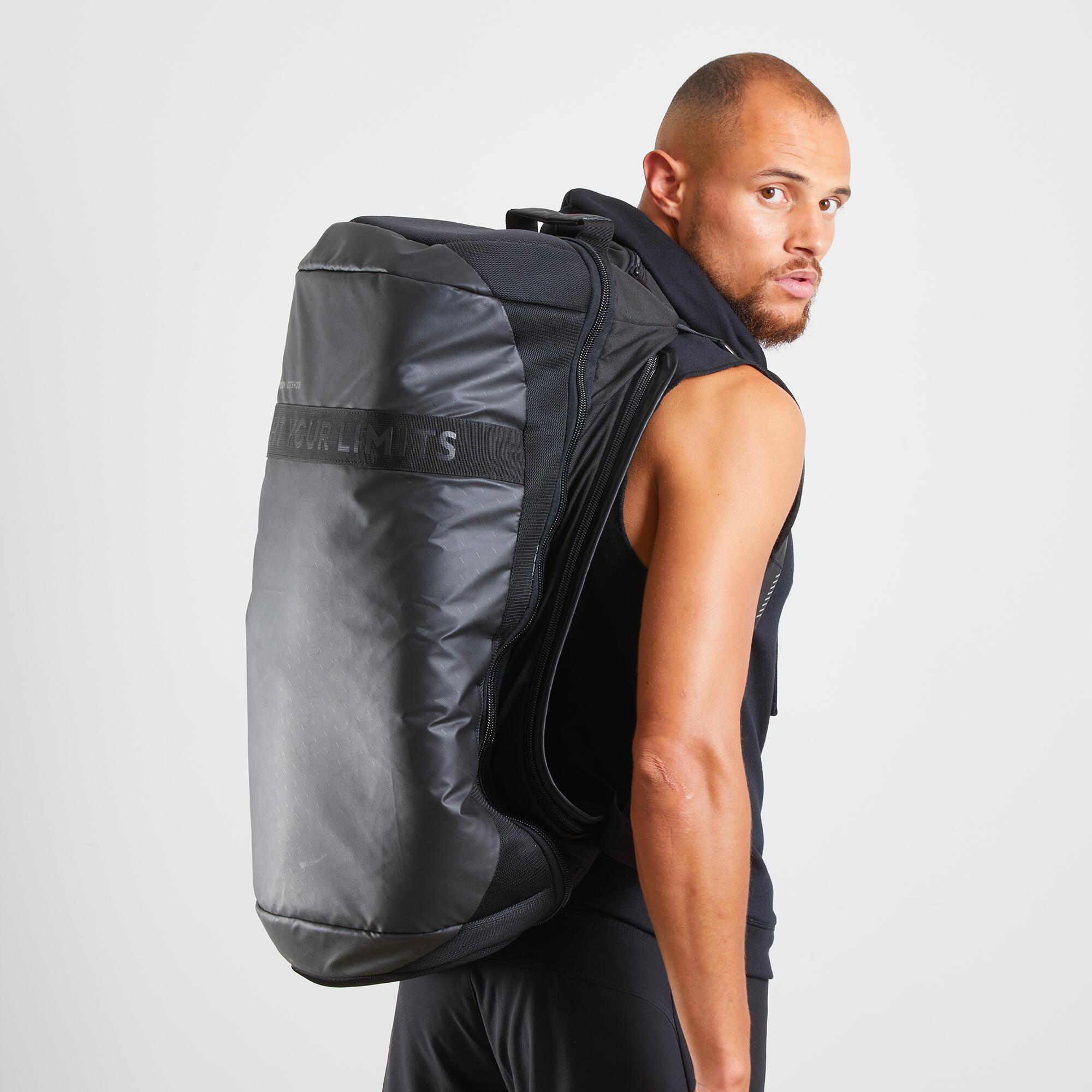
Multi-gear trainers. Your kit includes gloves, wraps, protection and other essentials that need to travel together. Practical storage and organised compartments make it easier to keep everything together and ready for training.
Kick and contact trainers. Your sessions extend beyond punches into kicks, knees or partner contact. Look for protective and training gear suited to the wider range of strikes involved in your discipline.
Keeping Your Boxing Gear Fresh
Give sweaty or damp boxing gear time to air out after training rather than leaving everything packed inside your bag. Wash apparel according to its care label, empty training bags regularly and wipe down the interior when needed. Check zips, straps, closures and other high-wear areas for signs of wear, particularly on gear you use frequently. Make sure everything is completely dry before packing it away again.
Boxing gear by type
Type
Best for
Protective gear
Sparring, contact training and impact coverage
Comfortable movement, footwork and regular training
Boxing apparel
Organising and carrying gloves, wraps and protective gear
Training bags
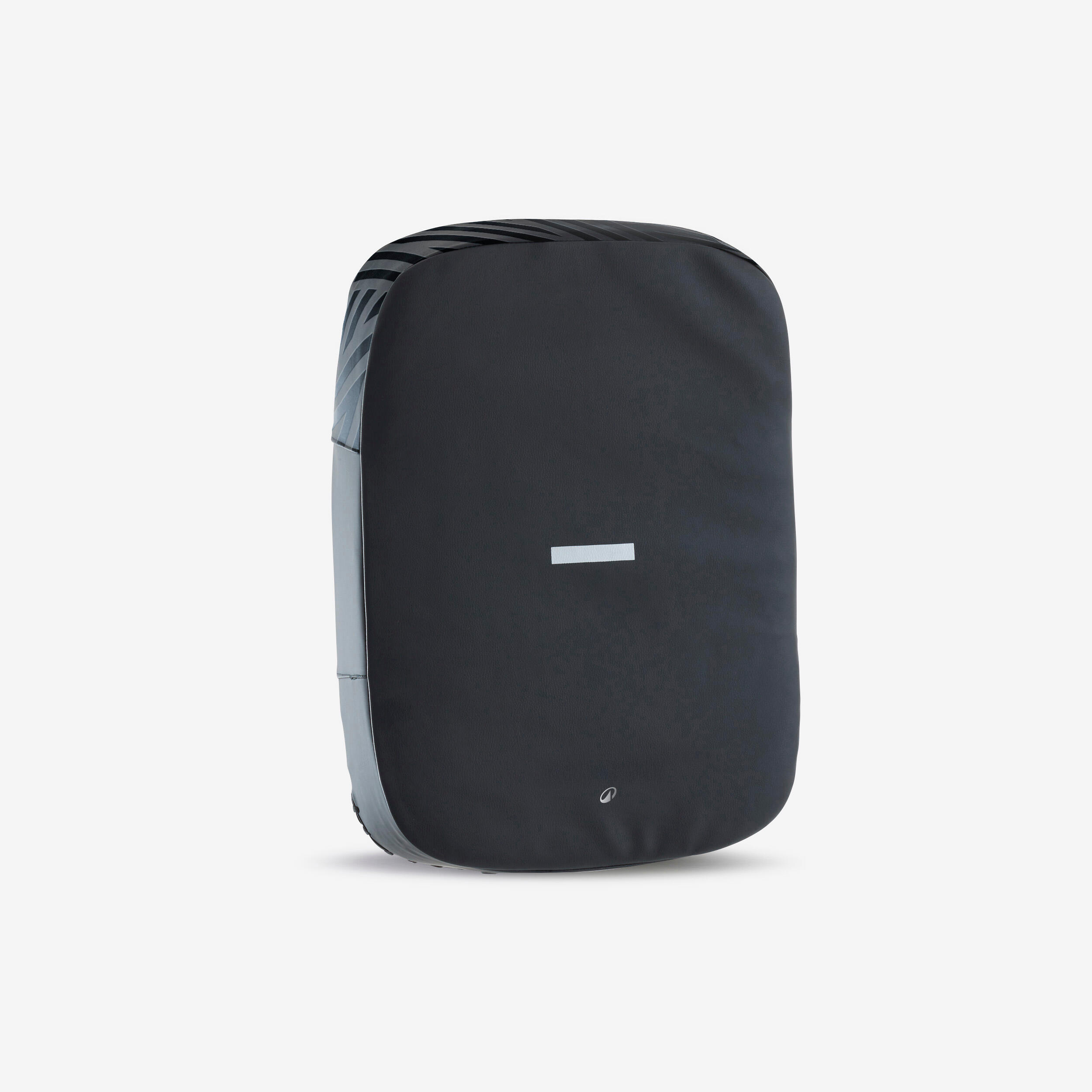
Partner drills, kicks, knees and varied striking practice
Start with the gear required for the type of training you plan to do. Gloves and hand wraps cover the basics for many boxing sessions, while sparring may call for additional protection. If you train in kickboxing or Muay Thai as well, shin guards and other discipline-specific gear may also be useful.
What should I keep in my boxing training bag?
Gloves, hand wraps and any protective gear needed for your session are the main essentials. You might also pack a towel, water bottle and a change of clothing. Keeping sweaty items separate from clean gear can make unpacking and cleaning easier afterwards.
Can I use boxing gear for kickboxing and Muay Thai?
Do I need different boxing gear for sparring?
Can I use my regular boxing gear for competition?
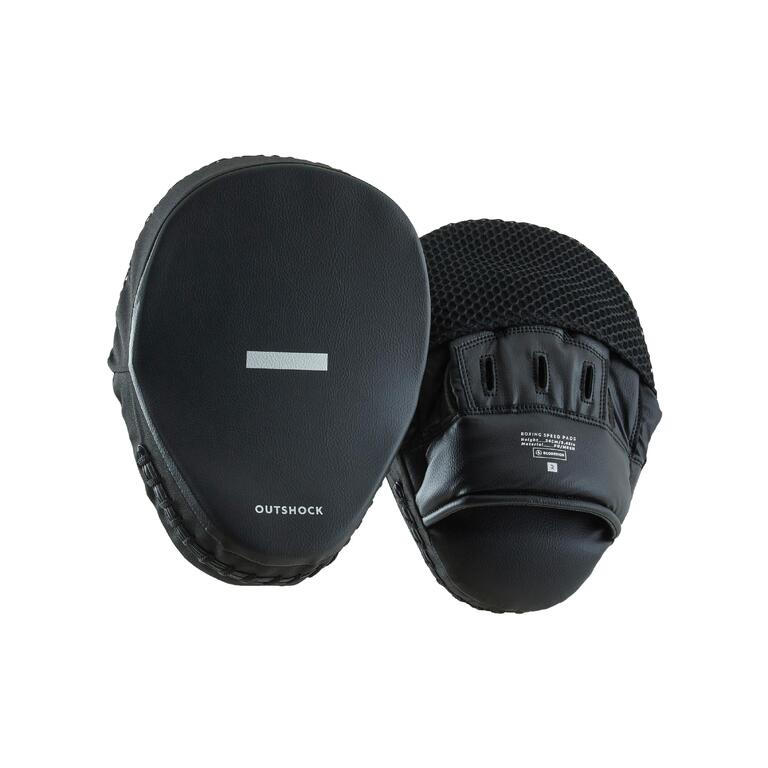
Some gear crosses over, including certain gloves, hand wraps and protective equipment. Kickboxing and Muay Thai also involve kicks, knees and different forms of contact, so you'll generally need additional gear such as shin guards or suitable striking pads.
Sparring usually requires more protection than bag work or non-contact drills. Depending on your gym or training rules, this may include suitable gloves, hand wraps, a mouthguard, headgear or other protective equipment. Check with your coach before your first sparring session.
Not always. Competitions can have specific requirements for gloves, clothing and protective equipment, including approved sizes or designs. Check the rules of your event or boxing organisation before relying on the gear you normally use for training.
Ready for Every Training Day
Good boxing gear takes some of the fuss out of getting ready to train. With your protection, clothing and everyday training essentials sorted, it's easier to move between bag work, sparring and other sessions without overcomplicating your kit. Keep it practical, organised and focused on the gear you genuinely use, so getting into your next session feels straightforward.
 All SportsMenWomenKidsAccessoriesEquipment and LeisureHealth & NutritionBest DealsNew ArrivalsMarketplace
 Hiking & Trekking
 Swimming
 Cycling
 Fitness (Yoga/Pilates)
 Camping
 Running