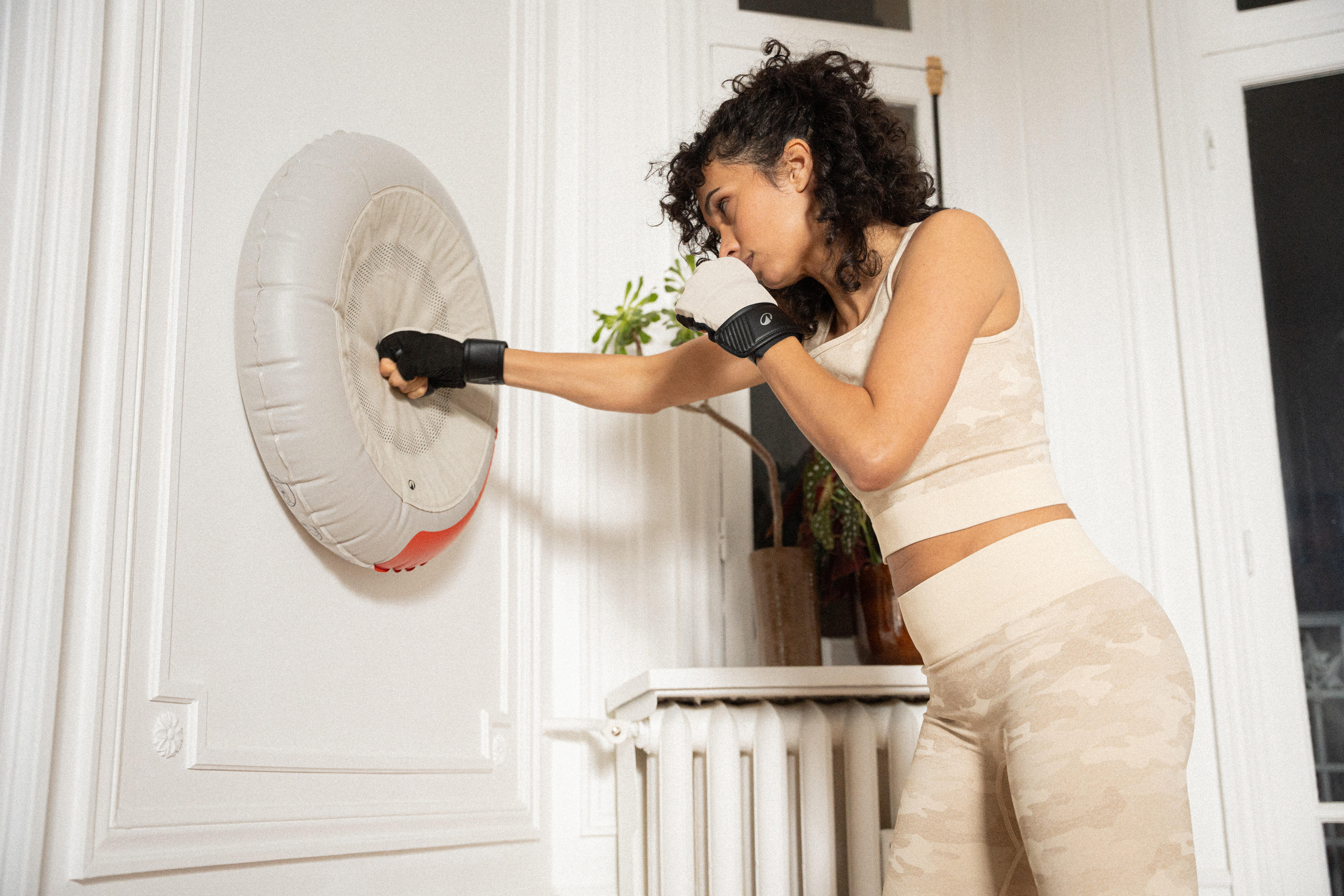
Boxing training goes beyond throwing punches. Boxing equipment gives you the tools to practise technique, build power, sharpen combinations and work on conditioning across different types of sessions. From putting in rounds at home to training with a partner or at the gym, it helps turn practice into a more complete boxing routine.
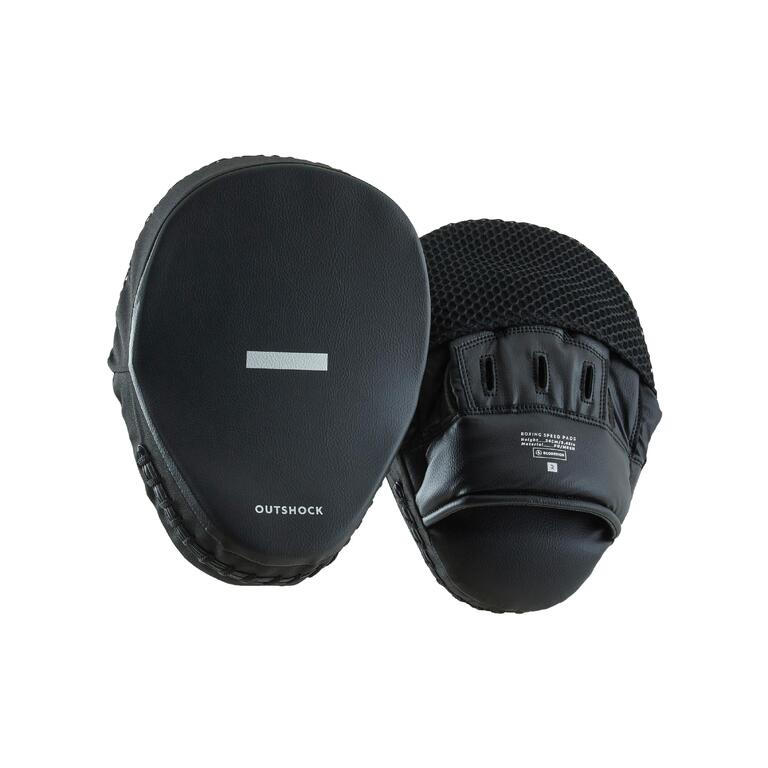
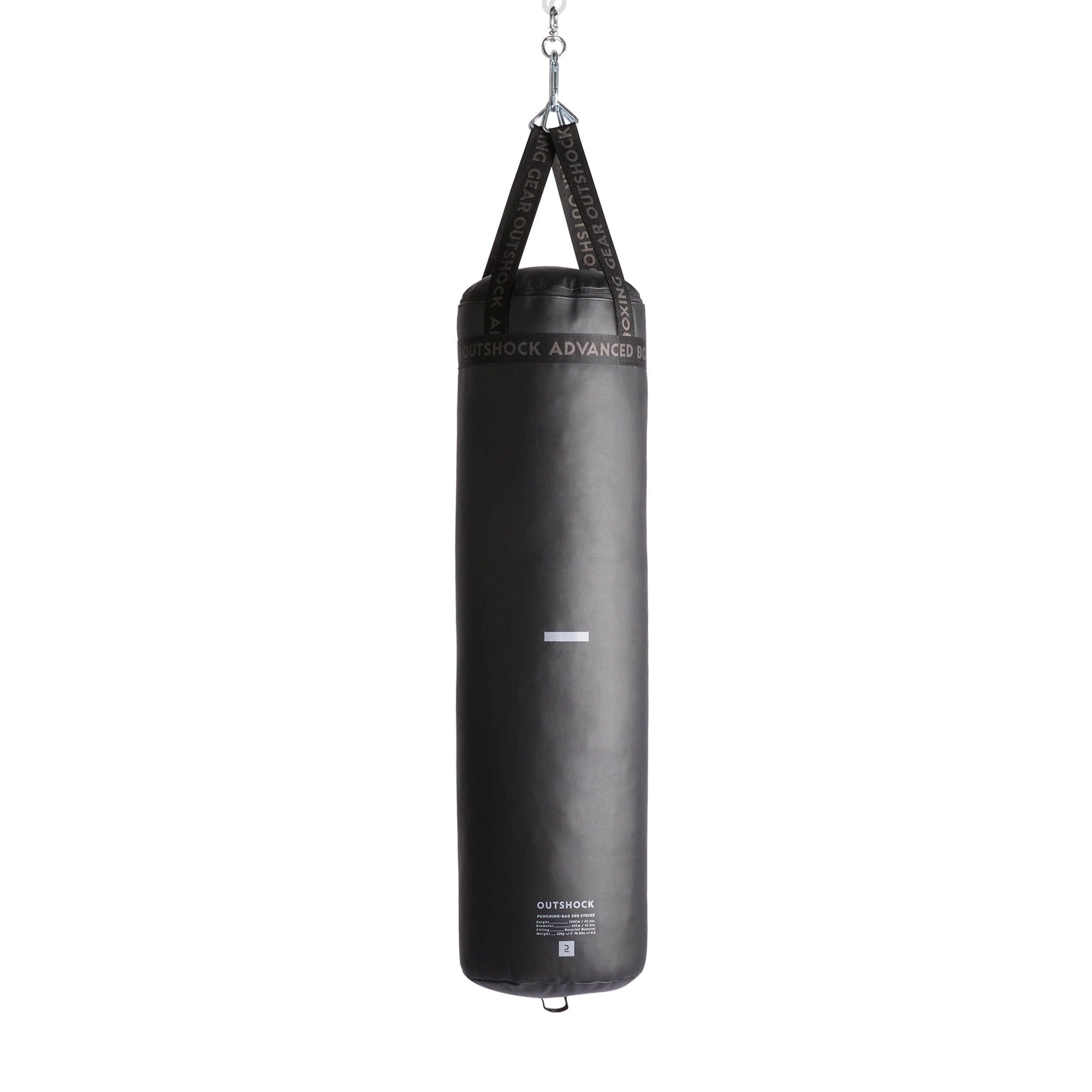
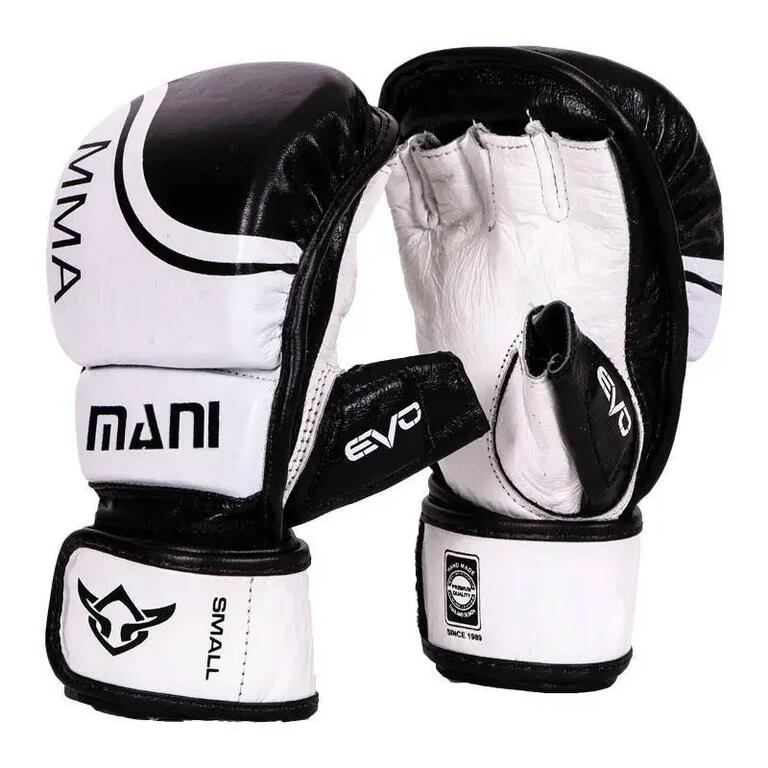
Boxing equipment covers different tools for different parts of training, so start by looking at what each product actually does. Punching bags provide a target for combinations, power and conditioning, while pads support partner drills for timing and accuracy. Gloves and protective equipment serve another role, helping provide coverage and cushioning when striking or contact becomes part of the session.
Protection and Impact Absorption
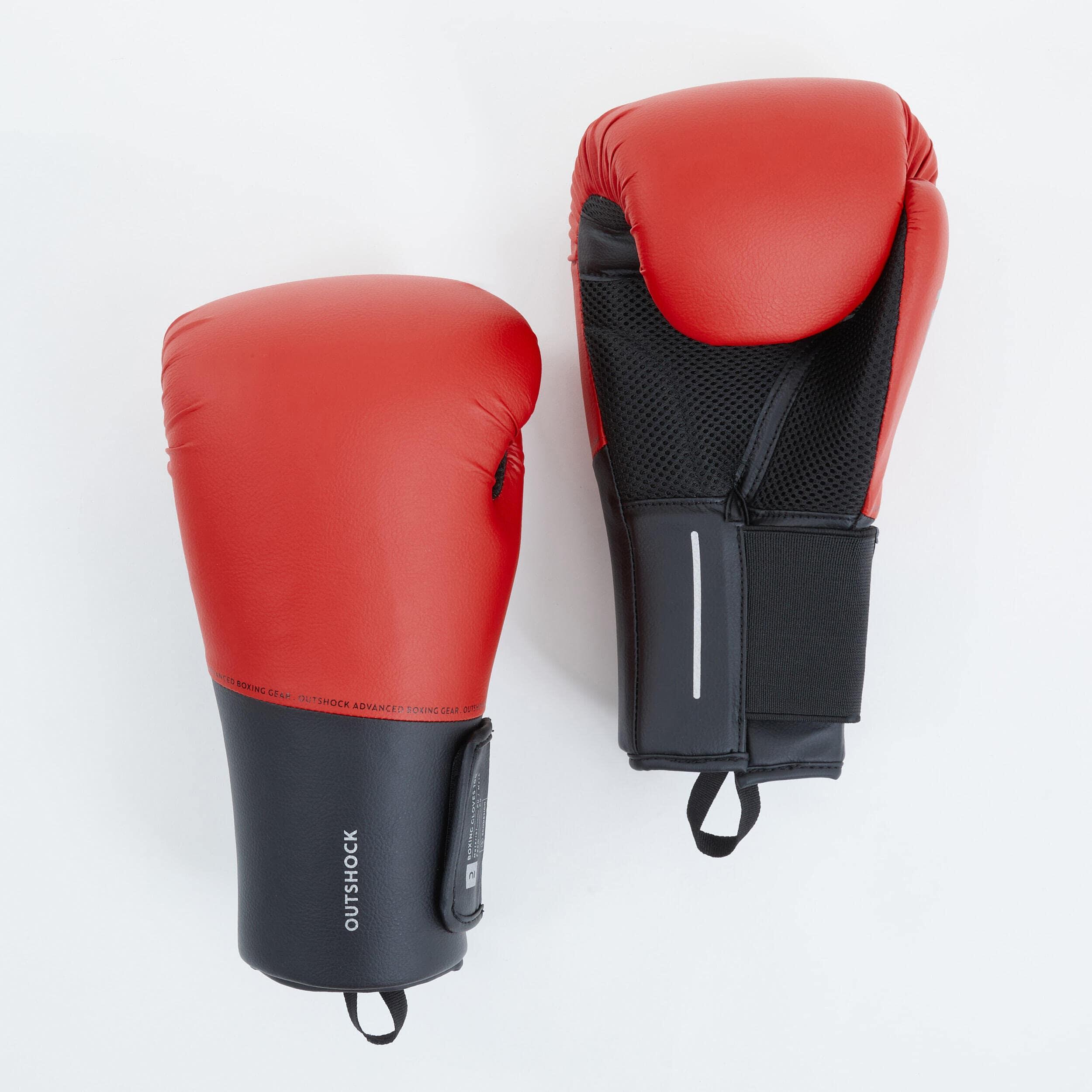
Equipment used for striking or contact should provide appropriate cushioning where repeated impact occurs. Look at the amount and placement of padding in boxing gloves, pads and protective gear, as well as how well it absorbs strikes. The right level of protection should suit the intended use without adding unnecessary bulk or restricting movement.
Durability
Repeated strikes and regular training can put boxing equipment under considerable wear, so check how the product is constructed. Durable outer materials, reinforced stitching and sturdy straps, handles or mounting points can all help equipment withstand frequent use. Pay particular attention to high-stress areas that repeatedly absorb impact or tension during training.
Fit and Security
Wearable boxing equipment should fit securely and stay positioned as you punch, move or take contact. Look for adjustable straps, closures and sizing options that help gloves, headgear and other protective equipment sit correctly without excessive shifting. For training targets and pads, secure handles or fastenings can also help keep the equipment controlled during use.
First-time trainers. You're building your boxing setup and want straightforward equipment to get started. Beginner-friendly gloves and easy-to-use training tools can help you learn the basics without overcomplicating your first sessions.
Home boxing trainers. You want to put in rounds on your own schedule without always relying on a gym or partner. Punching bags and compact training tools let you practise combinations, conditioning and technique at home.
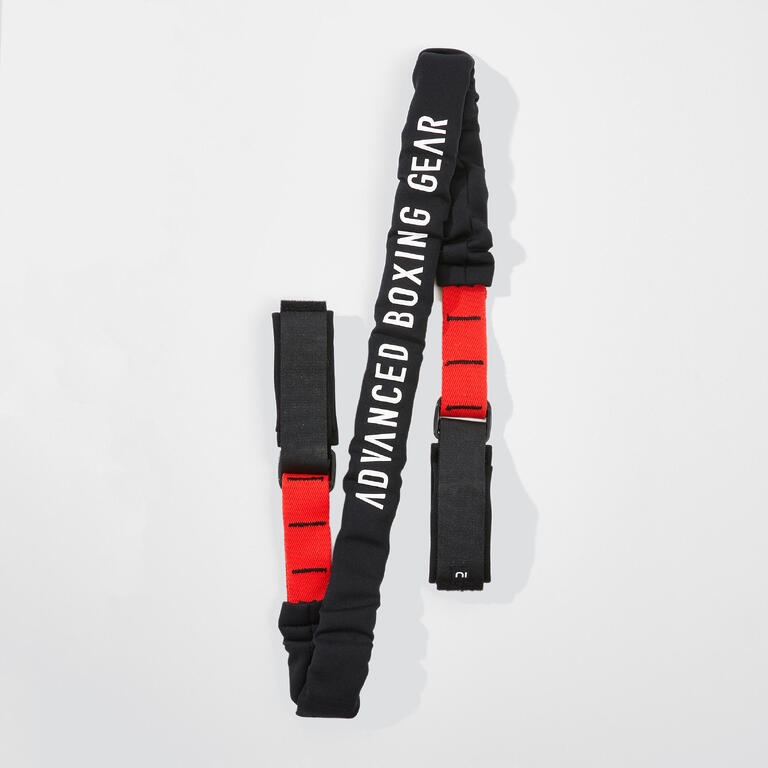
Performance-focused trainers. You want to work on specific parts of your boxing rather than general fitness alone. Resistance tools and targeted equipment can add more focus to speed, power and striking drills.
Keeping Your Setup Training-Ready
Wipe down gloves, pads and other frequently handled boxing equipment after training to remove sweat and surface dirt. Let damp items air dry completely before storing them, and follow the individual care instructions when deeper cleaning is needed. Check straps, stitching, handles, mounts and other high-wear areas regularly for signs of damage. Keeping each part of your setup clean, dry and securely fitted helps make sure it's ready when your next session starts.
Boxing equipment by type
Type
Best for
Boxing gloves
Bag work, pad drills and hand protection
Solo training, combinations, power and conditioning
You don't need a complete setup straight away. Boxing gloves are a practical starting point for most striking sessions, while a punching bag can be useful if you want to train independently. Pads, protective gear and resistance tools can be added as your training becomes more varied.
Do I need a punching bag if I'm just starting out?
Not necessarily. You can begin with gloves and partner-based pad work or technique drills before adding a punching bag. A bag becomes useful when you want a dedicated target for practising combinations, conditioning and striking on your own.
Can I use the same boxing equipment for bag work and partner training?
Can I use boxing equipment for kickboxing too?
Can I train with boxing equipment on my own?
Some equipment crosses over, but the setup is different. Gloves can be used across many training sessions, while punching bags suit solo striking and focus pads require a partner. Sparring may also call for additional protective equipment.
Some equipment can work across both disciplines, including certain gloves, punching bags and training pads. Kickboxing also involves lower-body strikes, so you may need shin guards, kick pads or other equipment suited to kicks and knees.
Yes. Punching bags, shadow boxing tools and resistance equipment can all support solo training, while focus mitts and handheld pads generally require a partner. If you mostly train alone, choose equipment that doesn't rely on someone else to hold or position it.
Keep Your Training Moving
A good boxing setup is one you'll keep coming back to. Gloves, bags, pads and training tools each bring something different to your sessions, giving you room to vary your drills and keep progressing over time. Start with what supports your training now, then let your boxing equipment grow naturally as your routine does.
 All SportsMenWomenKidsAccessoriesEquipment and LeisureHealth & NutritionBest DealsNew ArrivalsMarketplace



 Hiking & Trekking
 Swimming
 Cycling
 Fitness (Yoga/Pilates)
 Camping
 Running