Complete beginners
If your first trial class is booked, start here. Most gyms only ask for comfortable clothes on day one.
Starting Brazilian jiu-jitsu takes less gear than most people expect. Here is the kit we would put together for your first months on the mat, from gi and belt to rashie, mouthguard and bag.
Our jiu-jitsu range is small, so here is where the essentials sit.
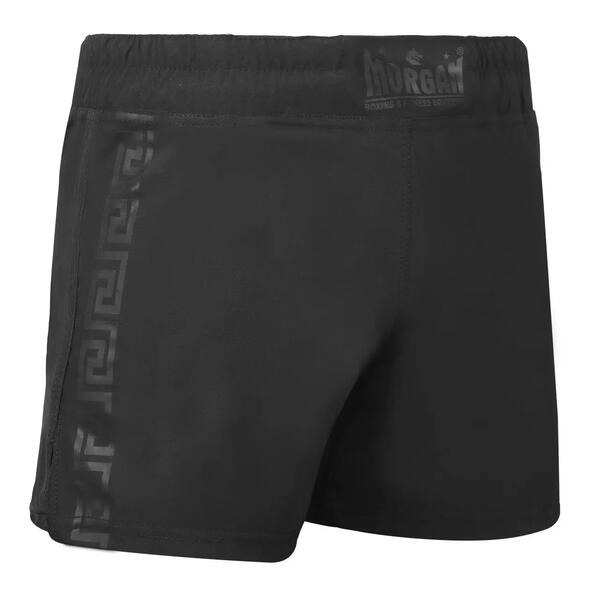
Fight shorts, martial arts uniforms and combat sports shoes.
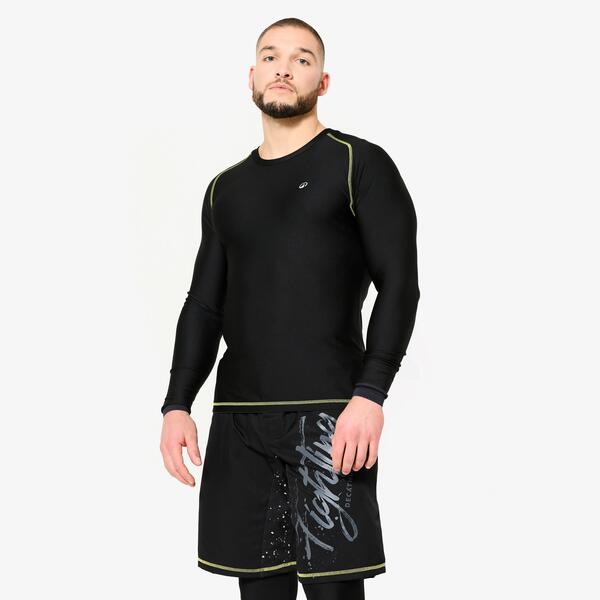
Snug rash tops, including grappling rashguards built for rolling.
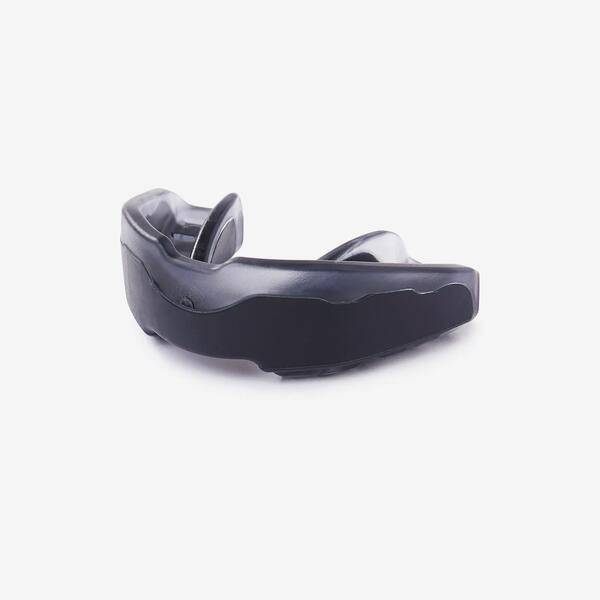
Mouthguards, groin guards and headgear for contact training.
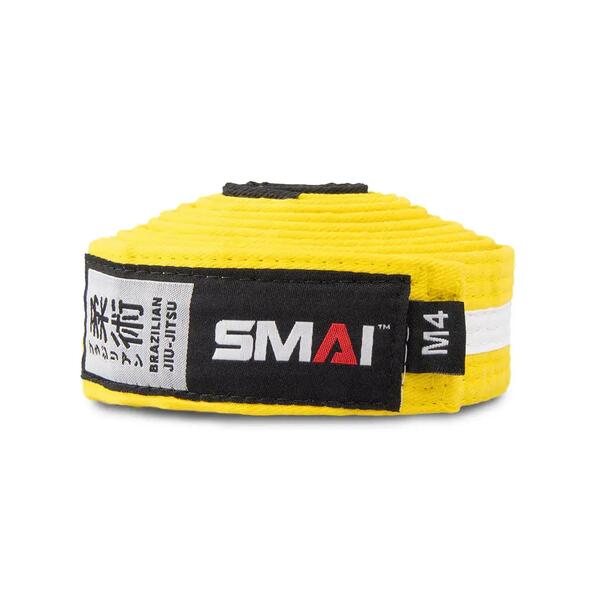
Coloured martial arts belts, including IBJJF-standard jiu-jitsu belts.
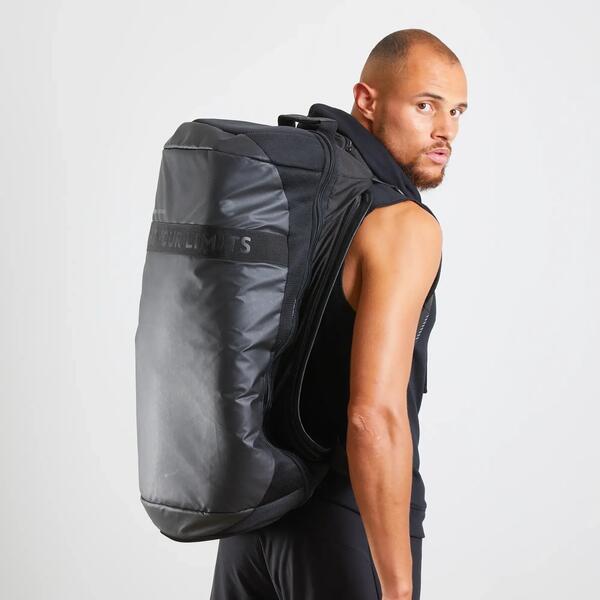
Sports bags and holdalls, several with a separate shoe pocket.
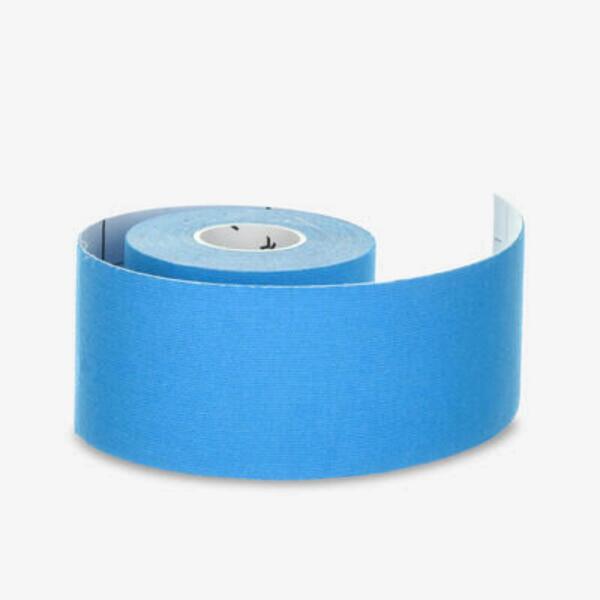
Kinesiology and strapping tape to support sore joints.
Most gis are cotton and can shrink a little, especially in a hot wash or dryer. Adult gis are usually sized A0 upwards by height and weight, so check the size chart, wash cold and line dry.
You'll be breathing hard with your face close to the mat and other people's knees. A boil-and-bite guard moulded to your teeth stays in place far better than a loose one, so you can keep it in and focus on training.
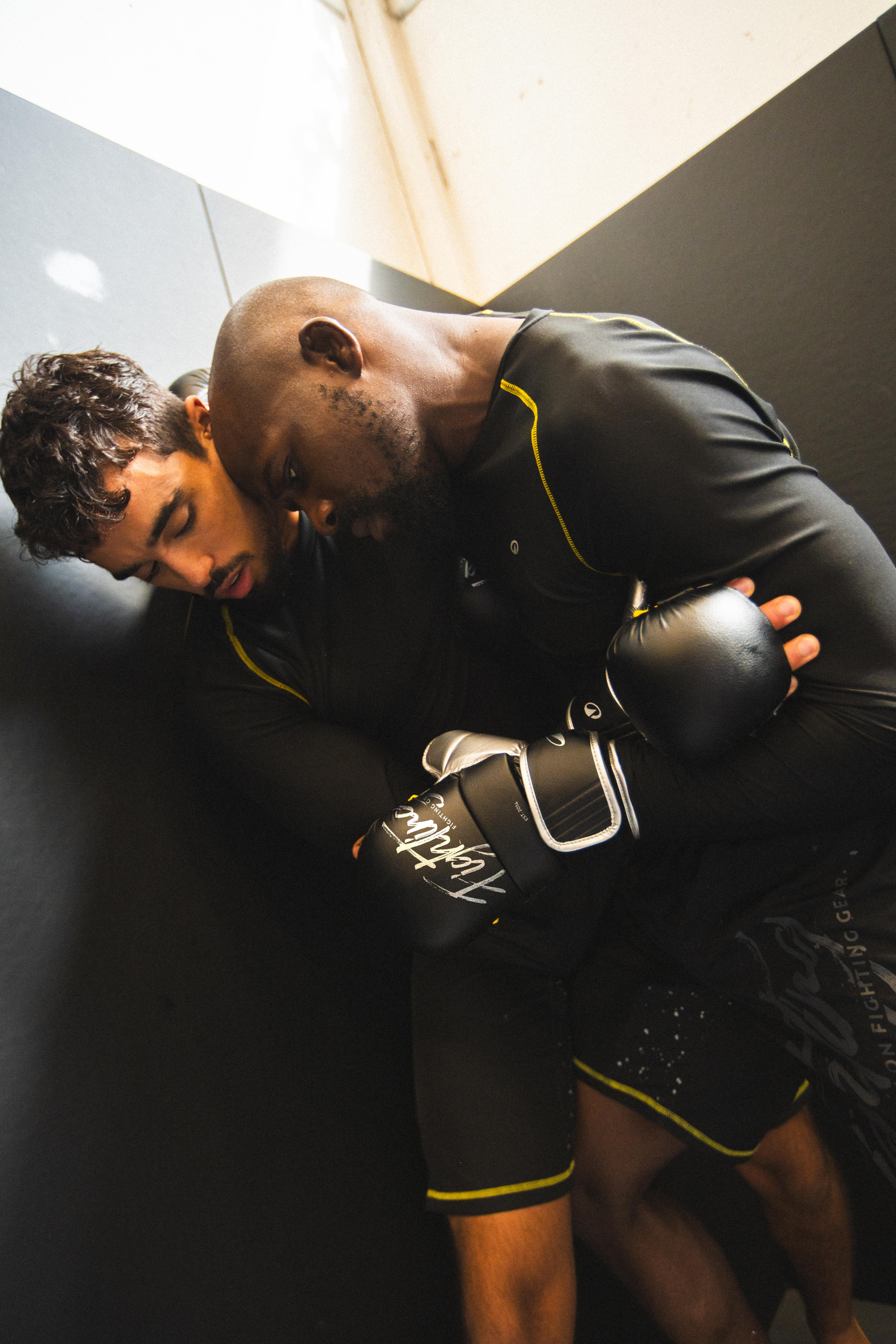
A snug rash guard keeps your skin covered on the mat and stops your top flapping during scrambles. Long sleeves give your arms more cover, and many people also wear one under the gi.
A sweaty gi needs to come out of your bag as soon as you get home. A holdall with a separate shoe or wet pocket keeps clean clothes away from training gear on the way.
If your first trial class is booked, start here. Most gyms only ask for comfortable clothes on day one.
Kids grow fast, so buy for the next few months rather than the next few years. A fitted mouthguard is worth getting early.
Coming from boxing or muay thai? Your mouthguard and bag carry over, and a rashie and grappling shorts cover no-gi classes.
| Item | Why it matters | Tip |
|---|---|---|
| Gi | Needed for gi classes and grips | Ask your gym about colour rules first |
| Belt | Holds the jacket closed and shows rank | Beginners start on white |
| Rash guard | Covers skin and stays in place | Worth having two to rotate |
| Grappling shorts or spats | No-gi training without loose fabric | Avoid pockets and zips |
| Mouthguard | Protects teeth from knees and elbows | Mould it before your first class |
| Ear guards | Help protect ears from repeated rubbing | Useful once you train often |
| Gear bag | Keeps your kit together | Unpack it the moment you get home |
| Thongs or slides | Keep floor grime off the mats | Never walk on the mat in them |
Very little. Most gyms are happy for you to turn up in a T-shirt or rashie and shorts without zips or pockets, and many lend a gi for trial classes. Bring a drink bottle, a mouthguard if you have one, and thongs or slides for walking off the mat. Once you decide to keep training, a gi, a belt and a rash guard are the first things worth buying.
Adult gis usually come in A sizes (A0, A1, A2 and up), and kids' gis often use M sizes, with each brand matching sizes to a height and weight range. Sizes vary between brands, so check the chart for the one you're buying rather than going by your usual T-shirt size. Cotton gis can shrink, so if you're between sizes, many people size up and wash cold. Belts follow the same A and M sizing in many brands.
Wash everything you trained in after every session and let it dry fully before you pack it again, because damp kit breeds bacteria and smells. Shower soon after training, keep your nails trimmed and wear footwear off the mat. Skin infections such as ringworm can spread through close contact sports, so don't train with an open cut or a rash you're unsure about, and see a doctor or pharmacist if something doesn't clear up.
Gyms provide the mats, the coaching and usually a few loan gis for newcomers. Your coach awards belts and stripes as you progress, and some gyms hand you your first white belt when you sign up. Some clubs ask members to wear a gi in a certain colour or with the club's patch, so check before you buy one. Mouthguards, rashies and bags are personal kit you bring yourself.
Not for your first few classes, but they're worth considering once you train regularly. Repeated rubbing and pressure on the ears during grappling can cause swelling, which can harden into what's known as cauliflower ear if it isn't treated. Ear guards reduce that friction. If an ear becomes swollen or painful after training, see a doctor early, since prompt treatment matters.
Start with the basics, train for a few weeks, then add to your kit as you learn what you need. We'll be here when you're ready.
Free delivery on orders over $150. Members get our lifetime warranty.