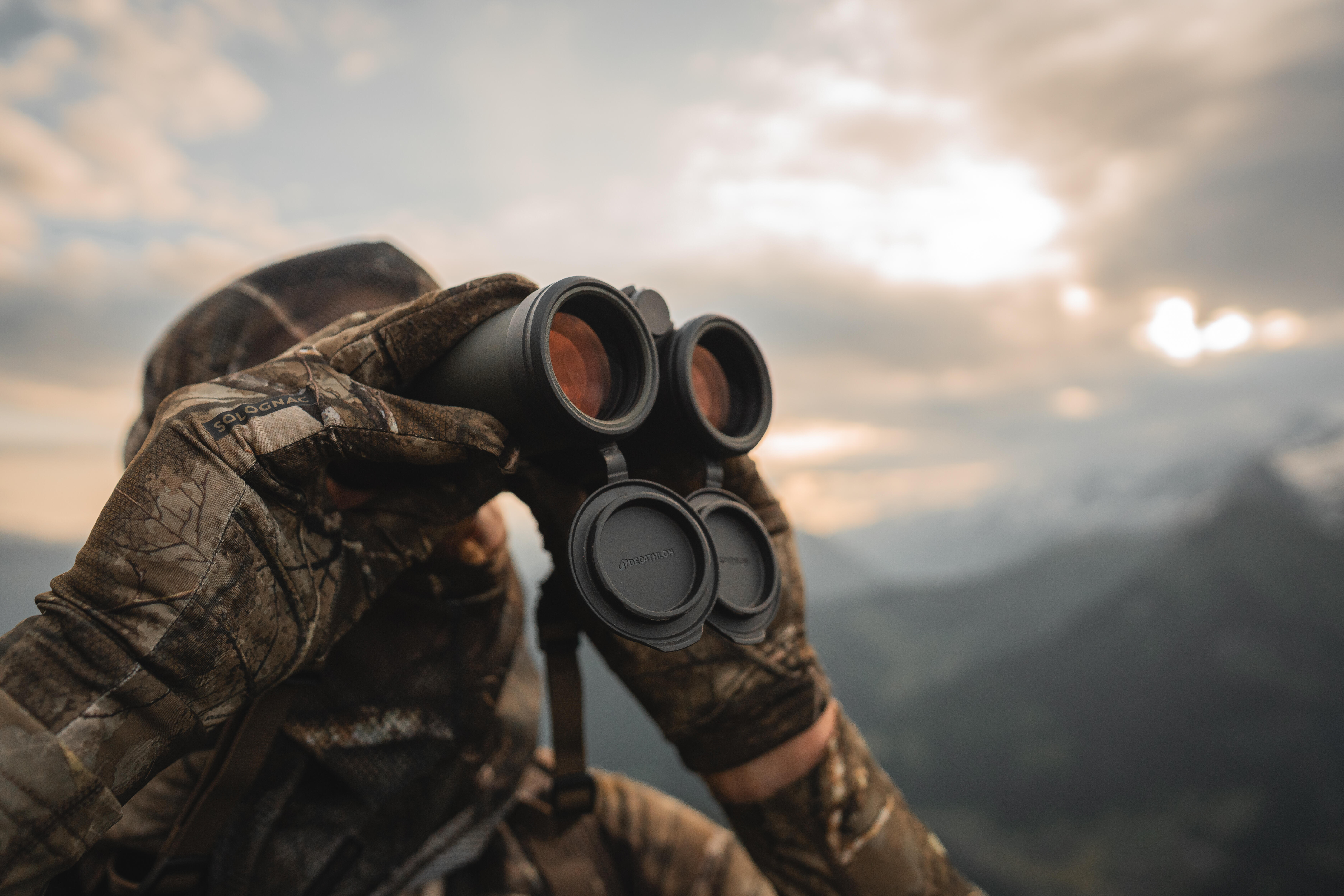
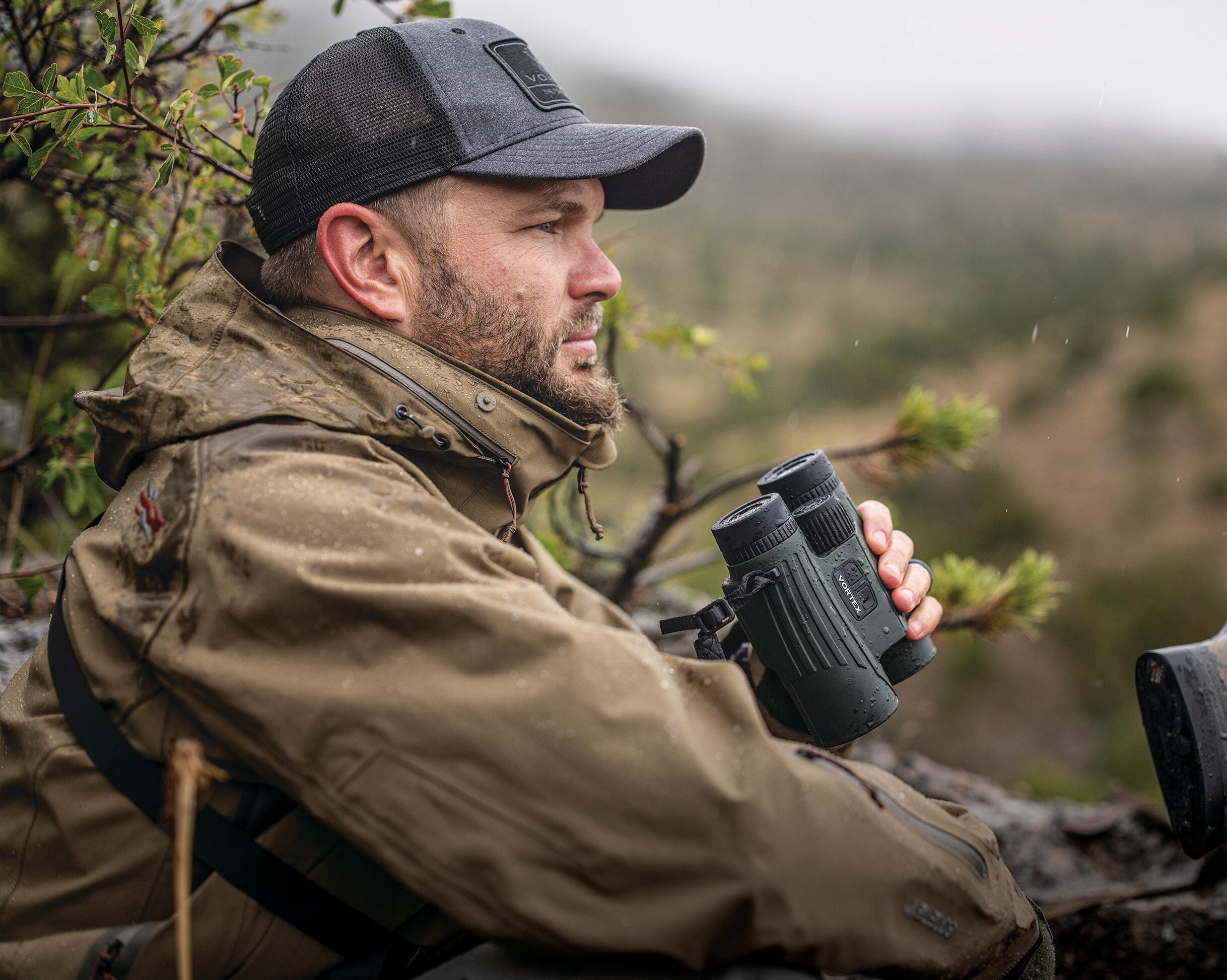
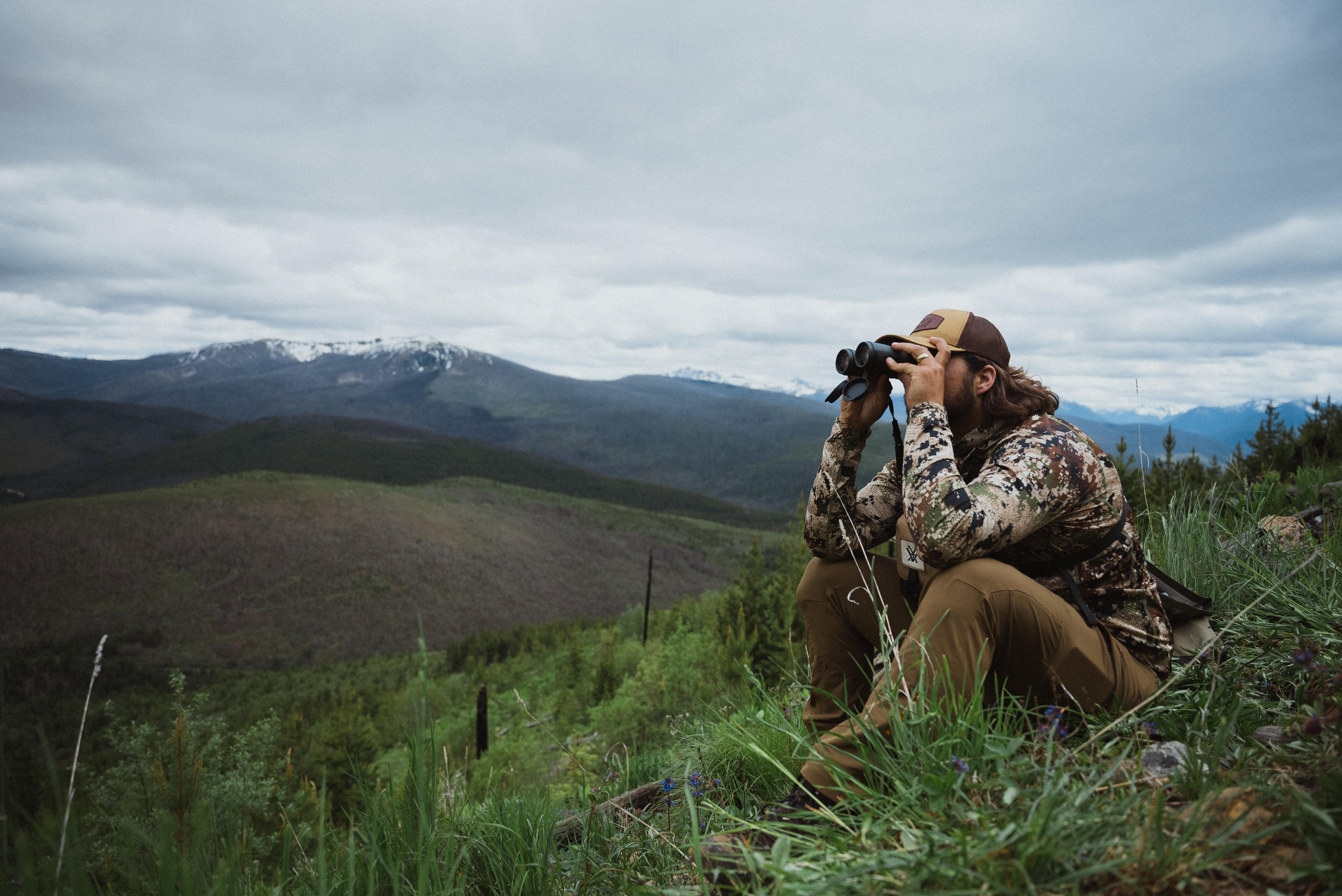
Birdwatching rewards patience and good optics. Proper binoculars help you spot distant birds, identify species and enjoy details you'd otherwise miss. Clear optics matter, but so does comfort during long bird watching sessions. The best pair balances optical clarity with a design that works for your hands and eyes.
8x is the sweet spot for most birding: wide enough to find the bird, steady enough to hold by hand. 10x gives more detail in open country like wetlands, where you're often looking a long way off. Be sceptical of very high numbers printed on small binoculars, since anything much beyond 12x is hard to hold still and the image dims as magnification climbs.
Field of View
A wider field of view makes it easier to locate and follow birds as they move between branches or take flight. This is especially helpful when observing active species, as you can keep them in sight for longer without constantly repositioning your binoculars. A broader view also makes it easier to scan forests, wetlands and open bushland, helping you spot birds more quickly.
Close Focus Distance
A shorter close focus distance allows you to see nearby birds in sharp detail, making it ideal for gardens, walking trails and nature reserves. If you enjoy observing small birds at close range, this feature helps you appreciate fine markings and behaviours without needing to move further away.
Weight and Comfort
Lightweight binoculars are more comfortable to carry and hold during longer bird watching sessions, especially on hikes or full-day outings. Larger models can offer brighter images in low-light conditions, but they are generally heavier, so it's worth balancing viewing performance with comfort for extended use.
New Bird Watchers. If you're just getting started, choose binoculars that are lightweight, easy to use and comfortable to hold. A balanced magnification and wide field of view make it easier to spot and follow birds in different environments.
Nature Walkers. Perfect for bushwalks, parks and nature reserves, these binoculars combine portability with clear, bright views. Compact designs are comfortable to carry on longer walks without adding unnecessary weight.
Dedicated Birders. Frequent bird watchers can benefit from binoculars with higher-quality optics, excellent light transmission and fast focusing. These features help you observe fine details and track birds more easily across varied habitats.
Caring for bird watching binoculars
Use a lens pen or microfibre cloth after each outing to remove dust, fingerprints and moisture from the lenses. Store your binoculars with the lens caps on in a cool, dry place away from sudden temperature changes to help prevent internal fogging. Use only optics-specific cleaning fluid when needed, and avoid using paper towels or compressed air directly on the lenses.
8x is the usual birding recommendation, because a wider field of view makes it far easier to find the bird in the first place, and the image holds steadier in your hands. 10x brings more detail on distant or stationary subjects at the cost of both. Treat very high numbers on compact binoculars with caution, since anything much above 12x is hard to hold still without a tripod.
What objective lens size is best for bird watching?
42mm is the standard birding choice, bright enough for dawn and dusk without being heavy around your neck. Compacts in the 25mm to 32mm range are easier to carry all day but noticeably dimmer in low light. If most of your birding happens in good light and involves walking, that trade is usually worth making.
Does field of view matter for bird watching?
Is close focus important for bird watching binoculars?
Do bird watching binoculars need to be lightweight?
Yes. A wider field of view makes it easier to spot, track and follow birds as they move through trees or across open spaces. This is particularly helpful when observing fast-moving or unpredictable birds.
Yes. A shorter close-focus distance allows you to observe nearby birds, butterflies and other wildlife in sharp detail. This is especially useful in gardens, forests and nature reserves where wildlife may be only a few metres away.
Lightweight binoculars are more comfortable to carry during longer bird watching sessions, especially if you're walking or hiking. While larger models can provide brighter images, choosing a pair that balances optical performance with comfort will make extended outings more enjoyable.
See Every Bird in Greater Detail
The right binoculars bring birds into sharp, steady view without weighing you down on the trail. A wide field of view and a short close focus distance make it easier to spot, follow and observe birds in a variety of habitats. Find the pair that suits your next bird watching adventure.
 All SportsMenWomenKidsAccessoriesEquipment and LeisureHealth & NutritionBest DealsNew ArrivalsMarketplace
 Hiking & Trekking
 Swimming
 Cycling
 Fitness (Yoga/Pilates)
 Camping
 Running