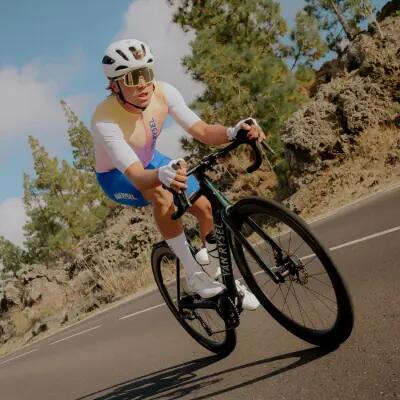
First overnighters
Riders trying a single night out on a familiar bike, close to home.
Bikepacking is simple at heart: strap your kit to the bike, ride somewhere good and sleep out. Here is what we pack for a first overnighter, in the order it matters.
Six essentials, from the bags that carry it all to the water that keeps you going.
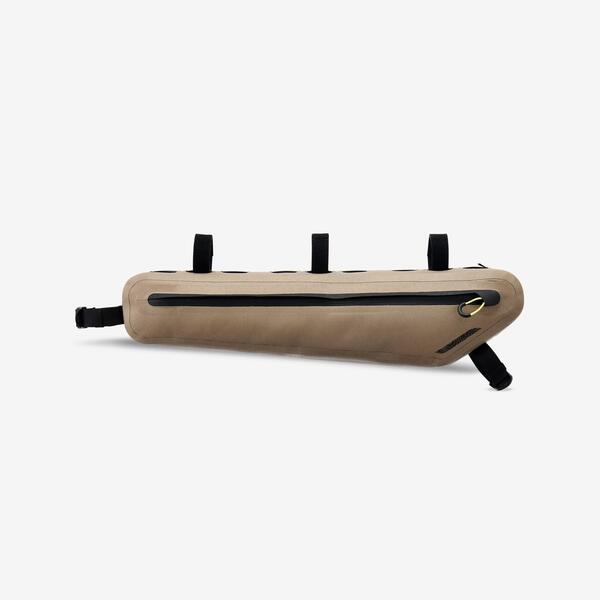
Frame, handlebar and saddle bags that strap to your bike.
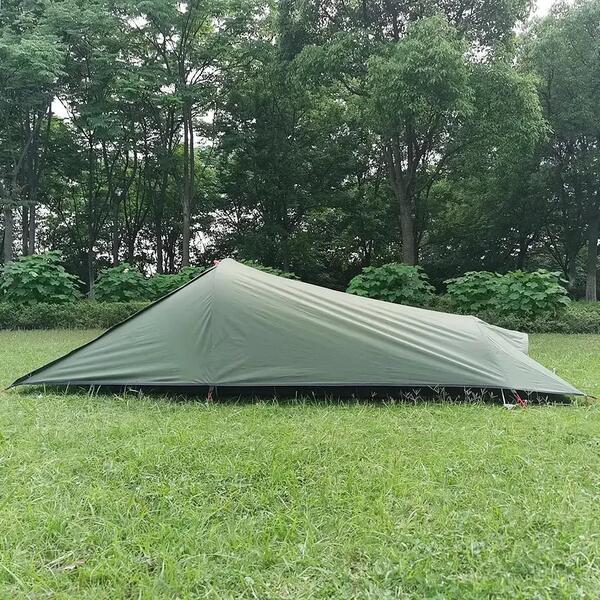
Light one and two person tents for nights out.
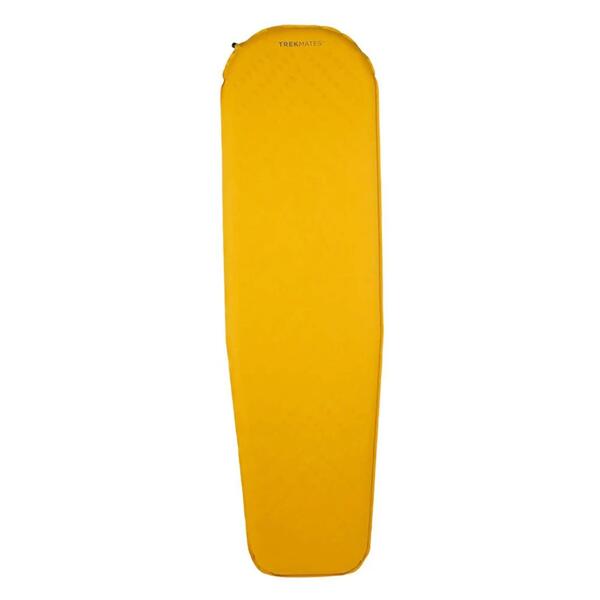
Self-inflating mats for a warmer, comfier night outdoors.
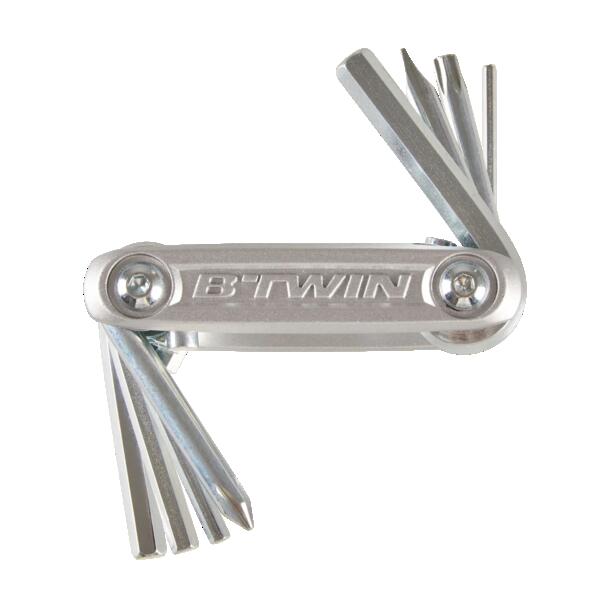
Multi-tools and tool kits for fixes on the trail.
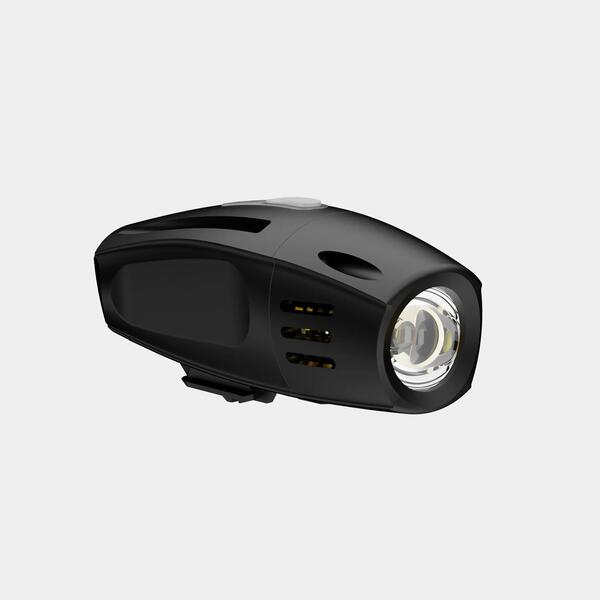
Front and rear lights for early starts and dusk.
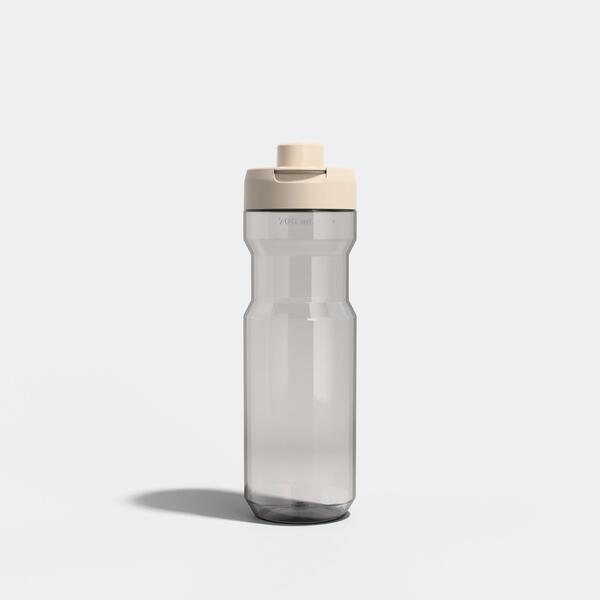
Bottles and cages to keep water within easy reach.
Every gram you carry, you also pedal uphill. Lay everything out at home and ask if you will really use each item. Most first trips go better with less.
Heavy, dense items ride best low and central, in a frame bag. Keep the handlebar and saddle bags for lighter, bulkier things like your sleeping kit and a warm layer.
Australian routes can run a long way between taps, so check where you can refill before you set off. Carry more water than you think in warm weather and keep snacks where you can reach them.
A loaded bike handles differently, especially on gravel and descents. Do a short ride with everything packed to check nothing rubs, swings or rattles loose.
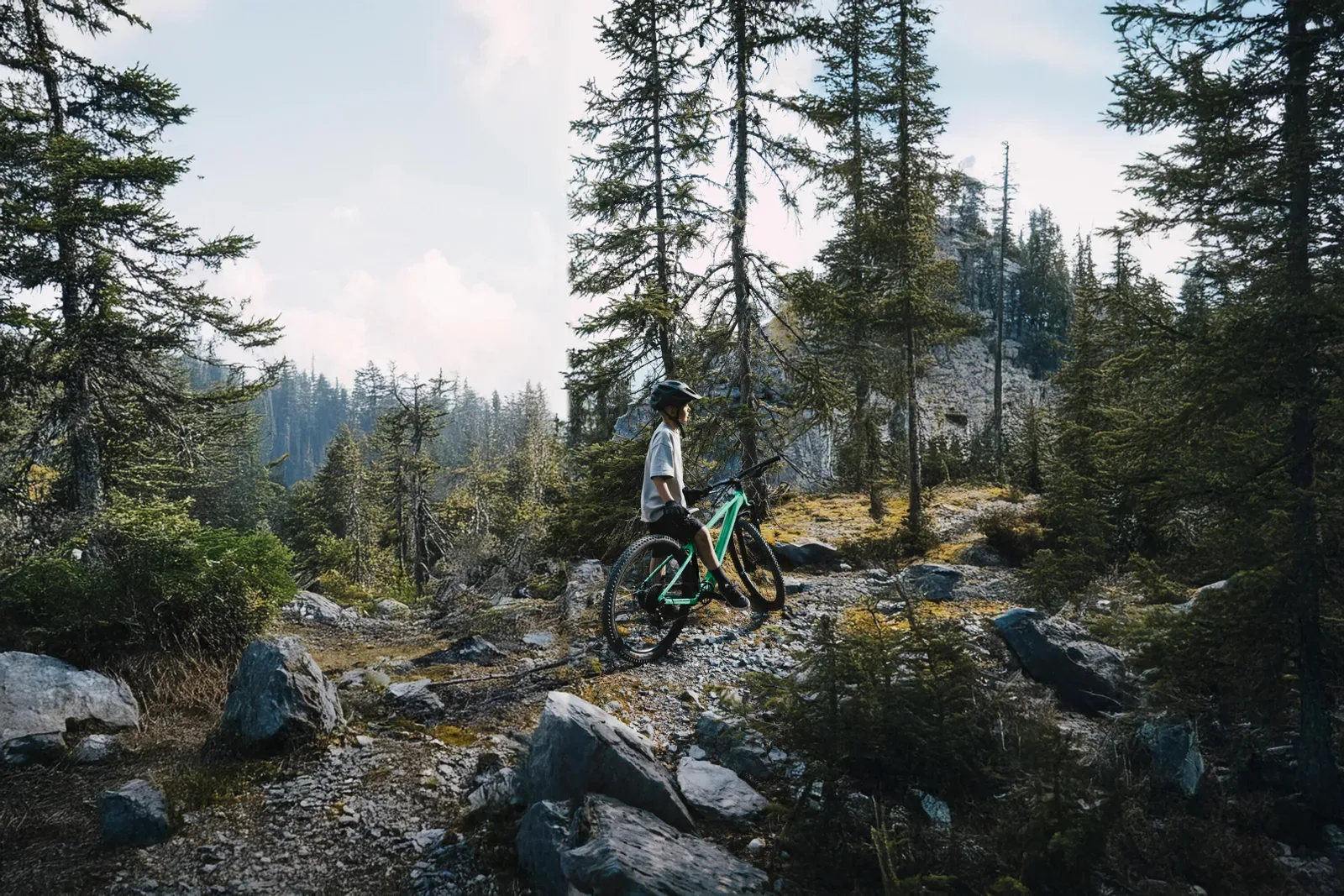
Riders trying a single night out on a familiar bike, close to home.
Riders who want to turn a favourite route into a weekend with a camp in the middle.
Riders swapping racks and panniers for a slimmer bag set-up on rougher tracks.
| Item | Why it matters | Tip |
|---|---|---|
| Bikepacking bags | Carry your kit without a rack | Start with a frame bag and add more as needed |
| Tent or shelter | Keeps you dry and out of the wind | Pitch it once at home before the trip |
| Sleeping mat | Insulates you from cold ground | Pack it in a handlebar bag with your tent |
| Multi-tool and spare tube | Fixes most trailside problems | Check the tube matches your wheel size |
| Front and rear lights | Helps you see and be seen | Charge them fully the night before |
| Water bottles | Keeps you hydrated between refills | Fit an extra cage if your frame allows |
Bikepacking is multi-day riding where you carry your camping kit in bags strapped to the bike, rather than on racks. It suits gravel roads, fire trails and quiet back roads, where a lighter and narrower set-up is easier to handle. Many riders start with a single night out close to home before planning longer trips.
No. Most bikes you already ride can carry a bikepacking set-up, from mountain bikes to gravel and hybrid bikes. The main things to check are tyre clearance for the surfaces you plan to ride and enough room inside the frame for a bag. If the bike feels comfortable for a few hours unloaded, it is a good start.
There is no set number, as it depends on the season, the route and how far apart the water and food stops are. A good rule is to pack only what you know you will use, then take out anything you packed just in case. Lighter loads make climbs and rough tracks far more enjoyable.
Bikepacking bags strap directly to the frame, handlebars and seat post, so they keep the bike narrow and work without a rack. Panniers clip onto a rack and carry more, which suits touring on sealed roads and everyday commuting. Some riders mix both, with a frame bag up front and a rack behind.
Plan your days so you reach camp with daylight to spare, especially on unfamiliar trails. If you do ride early or late, use a front and rear light and check your state's road rules on lights, as requirements vary. Let someone know your route and expected finish, and carry a charged phone.
Start with the bags and build your kit around them. We will see you on the trail.
Free delivery on orders over $150. Members get our lifetime warranty.