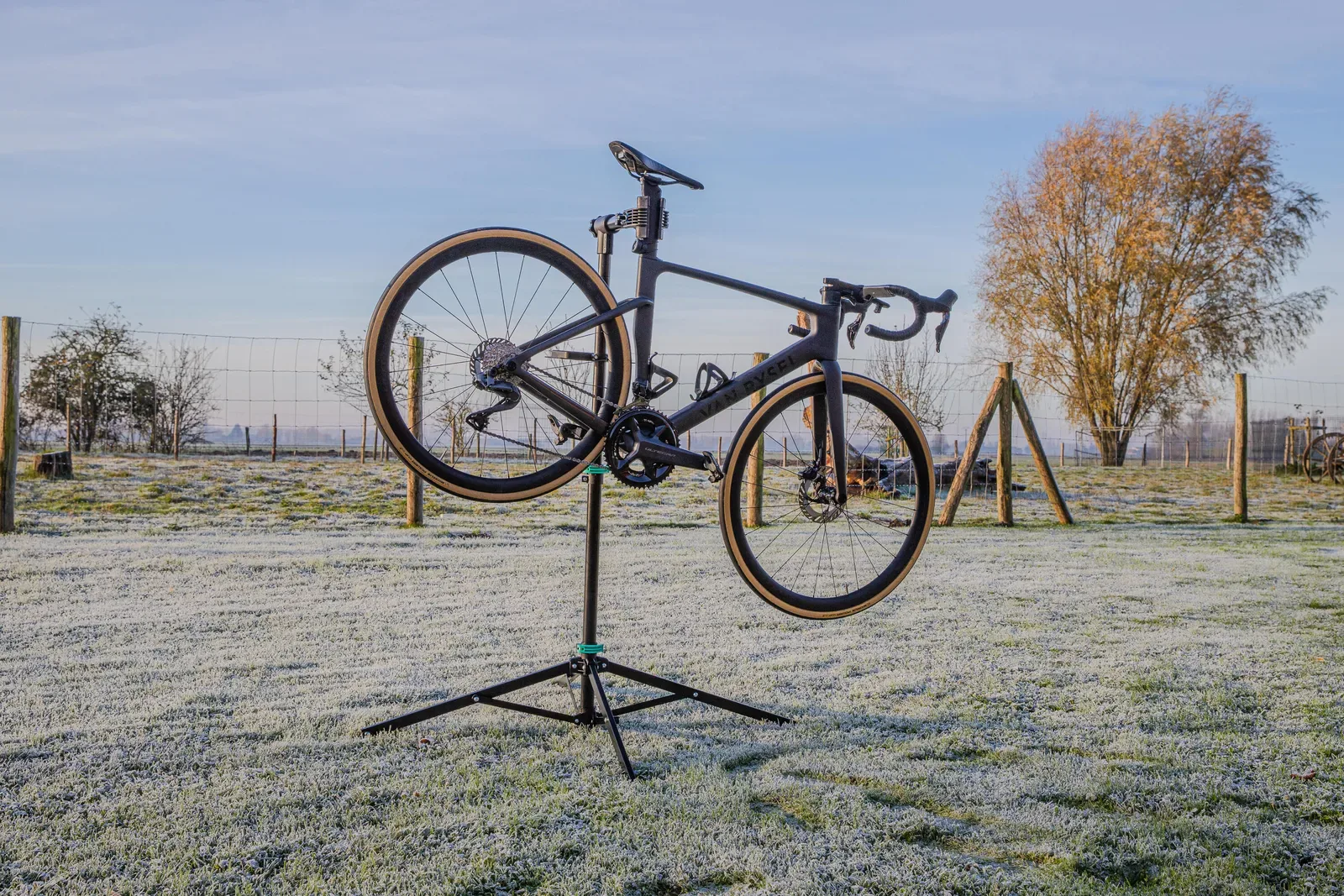
Home mechanics
Anyone doing regular cleaning, gear tuning or brake work will save time and their back.
A repair stand lifts your bike to a comfortable height and holds it still, so every job gets easier on your back. Here is what to look for and where to find the stands we stock.
Browse our repair stands, our own home workstand and the tools to finish the job.
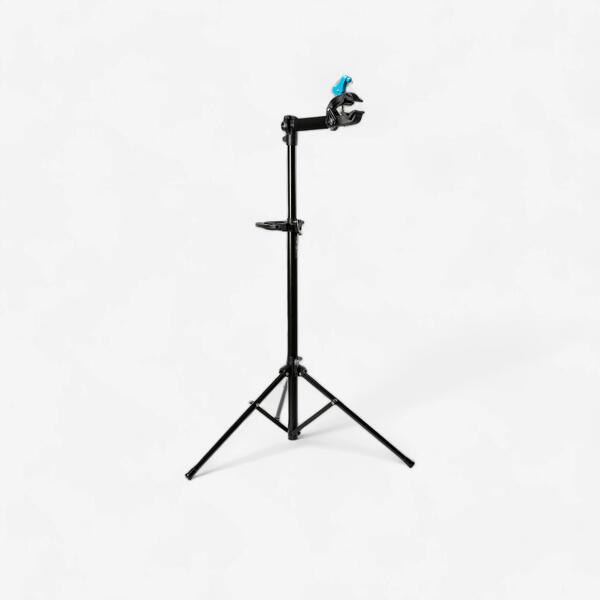
Includes our own workstand among the home tools.
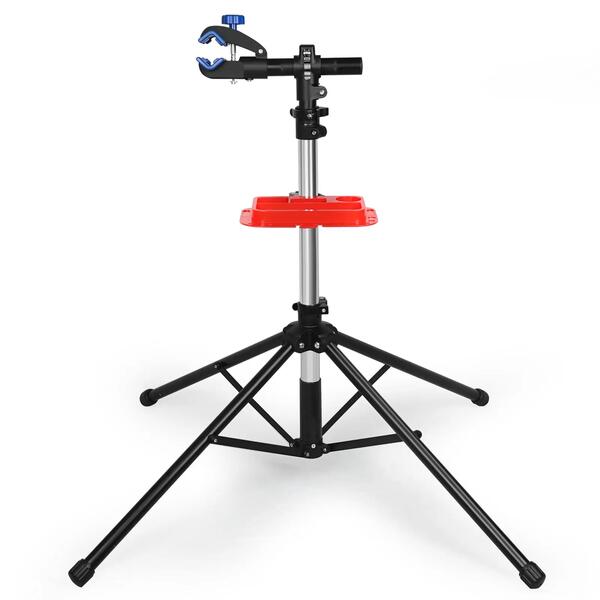
Foldable stands with a rotating clamp and tool tray.
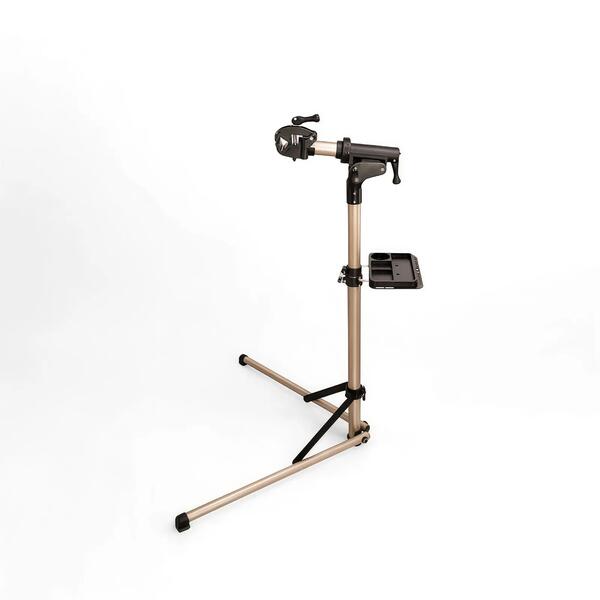
Stands with a tool tray to keep small parts handy.
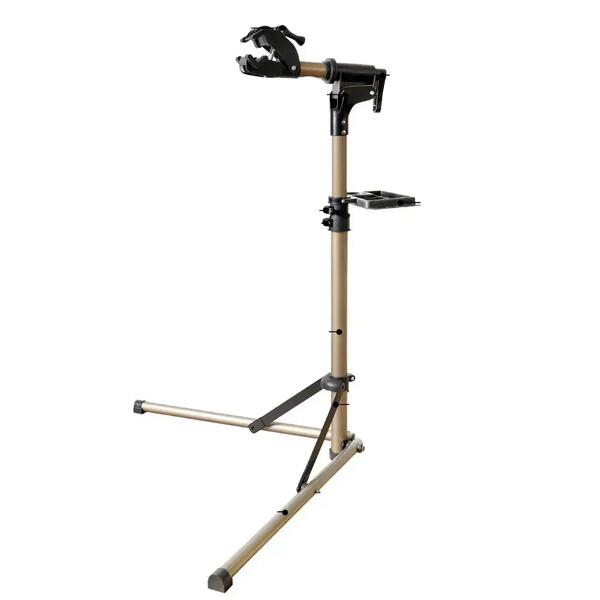
Adjustable aluminium stands that fold away for storage.
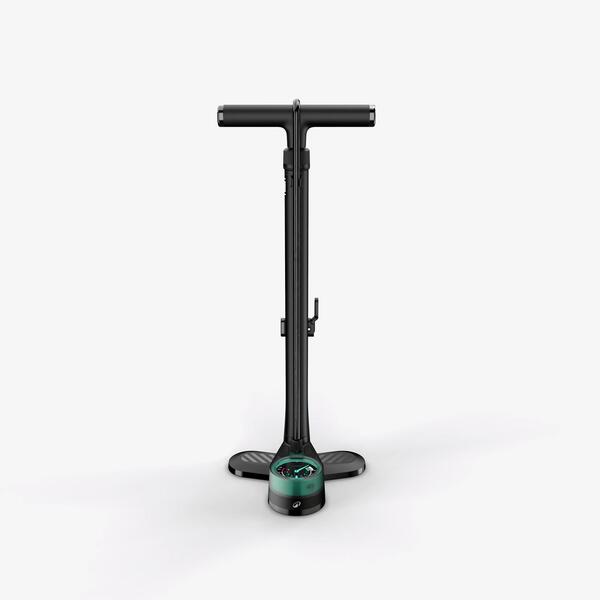
Floor pumps to set tyre pressure after each job.
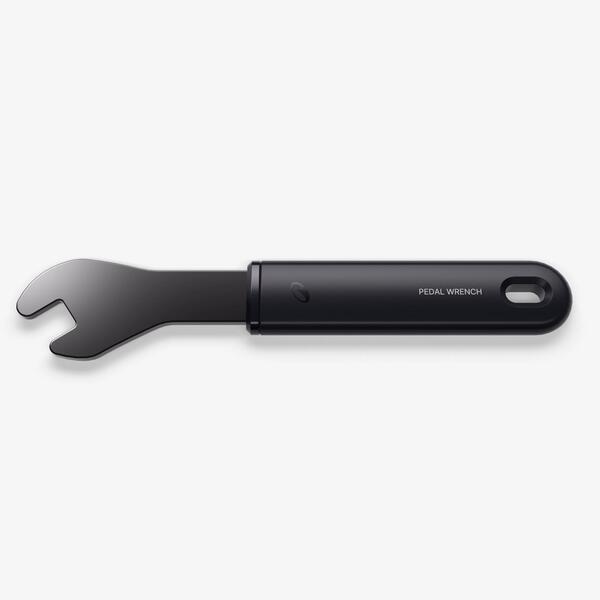
Spanners, chain tools and torque wrenches for stand jobs.
Clamp the seatpost rather than the frame tubes, especially on carbon or thin-walled frames. A padded jaw that adjusts to different post sizes holds the bike firmly without marking it. A head that rotates lets you turn the bike to reach awkward parts.
The best height puts the part you are working on around elbow level, so you are not bending over. Look for telescopic legs or a mast you can raise and lower. Check the height range against your own height before you buy.
A wide tripod base resists tipping when you push on a stiff bolt. Check the stand's maximum load on the product page, especially for e-bikes, which are much heavier. Set it up on flat, firm ground.
If you work in a small garage or apartment, a stand that folds flat is easier to live with. Lighter aluminium stands are simpler to carry to the car or a race. A tool tray keeps small parts from rolling away.
Anyone doing regular cleaning, gear tuning or brake work will save time and their back.
A stand makes it quicker to check several bikes before a weekend ride.
A folding stand gives you a proper workshop setup that packs away after the job.
| Option | Best for | Watch for |
|---|---|---|
| Folding tripod workstand | Most home servicing | Check height range and max load |
| Stand with tool tray | Keeping small parts handy | Tray adds a little weight |
| Aluminium folding stand | Small spaces and travel | Lighter stands can feel less rigid |
| Wall-mounted stand | A fixed garage workshop | Needs a solid wall to fix into |
You can do many jobs with the bike upside down or leaning on a wall, but a stand makes them faster and more comfortable. Holding the bike at waist height with the wheels free lets you spin the cranks, tune gears and true wheels properly. If you service your bike more than a few times a year, it quickly earns its place.
Clamp the seatpost wherever possible, not the top tube or other frame tubes. Frame tubes, especially carbon ones, are not designed for clamping pressure and can be damaged. Tighten the clamp just enough to hold the bike securely, and protect any dropper post by clamping the fixed lower section.
Some can, but e-bikes are much heavier than standard bikes, so check the maximum load listed for the stand. Removing the battery first takes off useful weight and makes the bike easier to lift into the clamp. If the bike is heavier than the stand's rating, work on it on the ground instead.
Aim to have the part you are working on at roughly elbow height, so you can stand upright. Most stands have adjustable legs or a telescopic mast, so check the range suits your height. Being able to change the height between jobs, such as brakes versus a bottom bracket, is a bonus.
A folding stand suits most homes, as it packs away and can travel to rides or events. A wall-mounted stand saves floor space and feels solid, but needs a strong wall to fix into and stays in one place. If you rent, a folding stand is usually the easier choice.
A good stand makes every job easier, from a quick clean to a full service. Pair it with the right tools and you are set.
Free delivery on orders over $150. Members get our lifetime warranty.