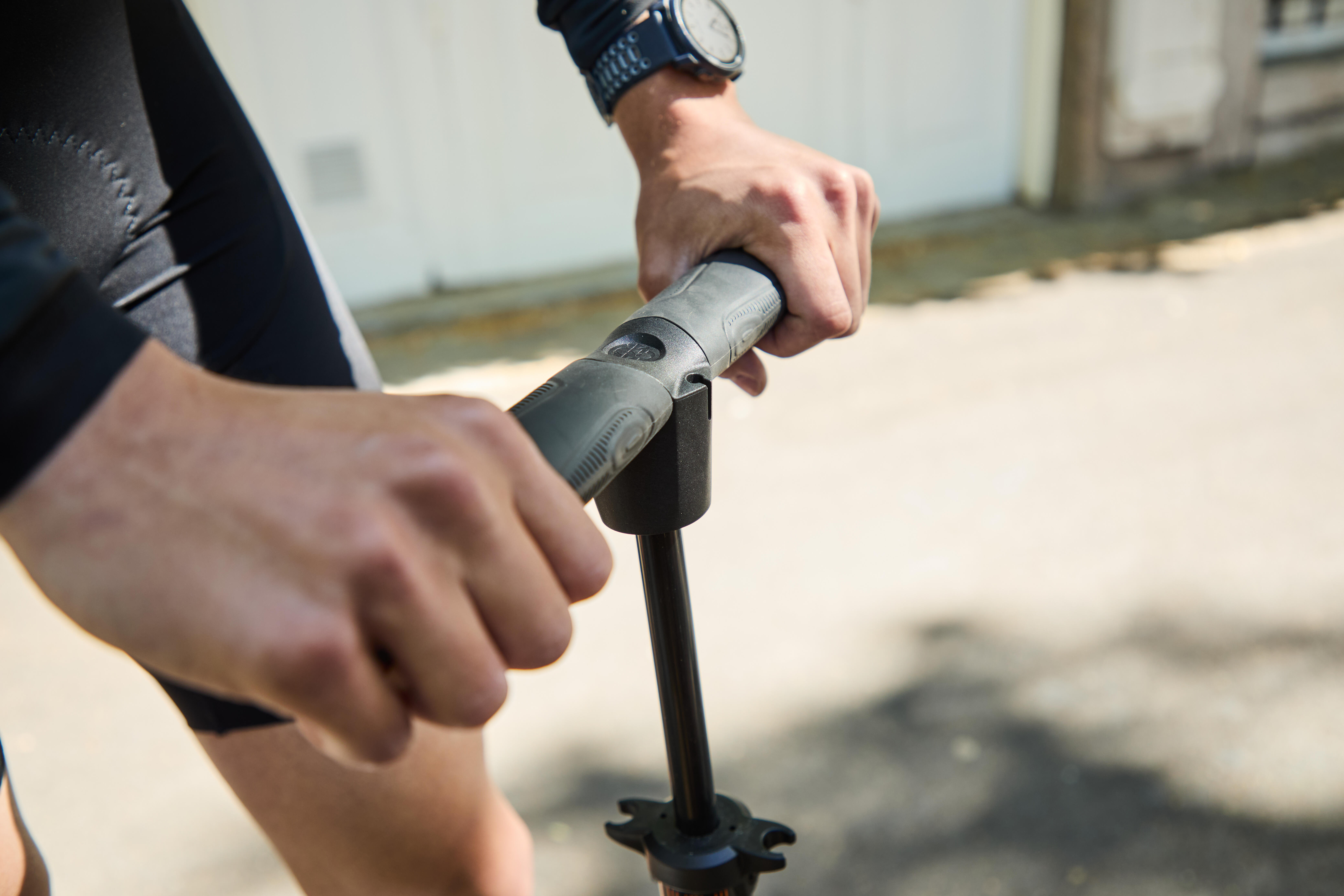
The right tyre pressure helps your bike roll smoothly and keeps you ready for every ride. You might want a floor pump for regular top-ups at home, a compact hand pump to take with you, or more pressure control for training. There's an option to suit how and where you ride.
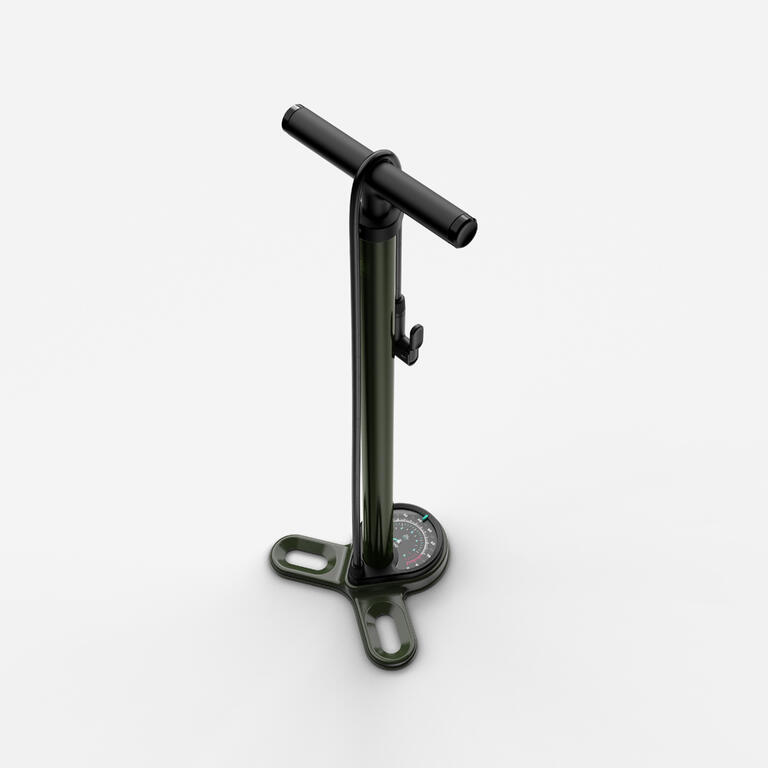
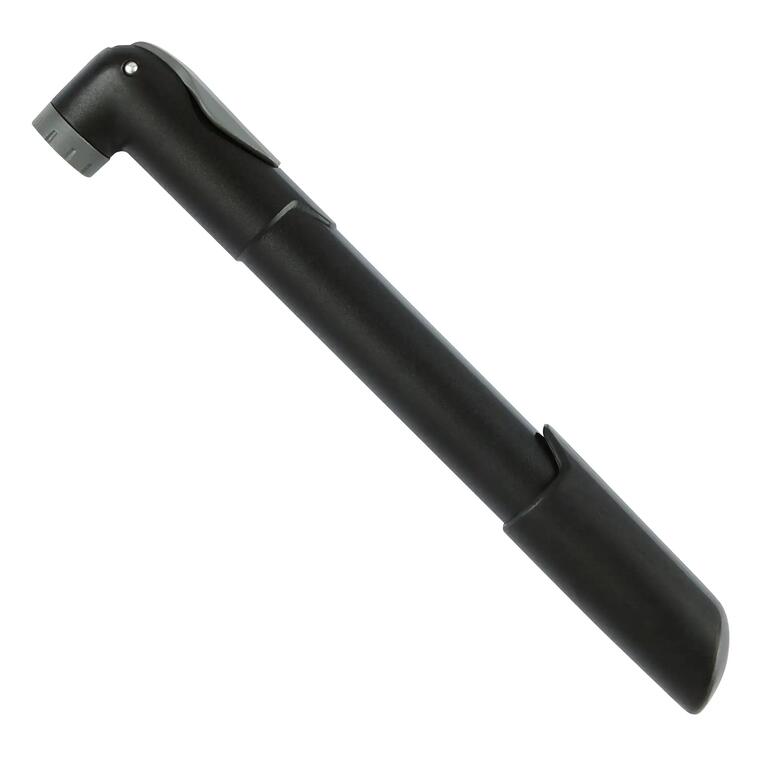
Think about where you'll use your bike pump most often. A floor pump gives you more stability and leverage, making regular tyre top-ups at home quicker and easier, while a hand or mini pump is compact enough to carry for tyre top-ups or flats during a ride. For regular cyclists, having a floor pump at home and a portable option on the bike can cover both situations.
Valve Compatibility
Check which valve your bike uses before choosing a pump, particularly if you have more than one bike at home. Presta and Schrader are the common valve types, and some pumps handle both without a separate adaptor. A compatible or multi-valve pump makes switching between bikes much simpler.
Air Volume
How much air a pump moves with each stroke affects how quickly you can inflate a tyre. Higher-volume pumps can make filling wider mountain bike or gravel tyres more efficient, while pumps designed for higher pressures can be better suited to narrower road tyres. Matching the pump to your tyre type makes inflation quicker and requires less unnecessary effort.
Pressure Gauge
A built-in pressure gauge helps you inflate your tyres to the recommended pressure instead of relying on feel. This becomes particularly useful when you want consistent pressure between rides or your tyres need a more specific range. Look for an analogue or digital gauge that's clearly positioned and easy to read while you're pumping.
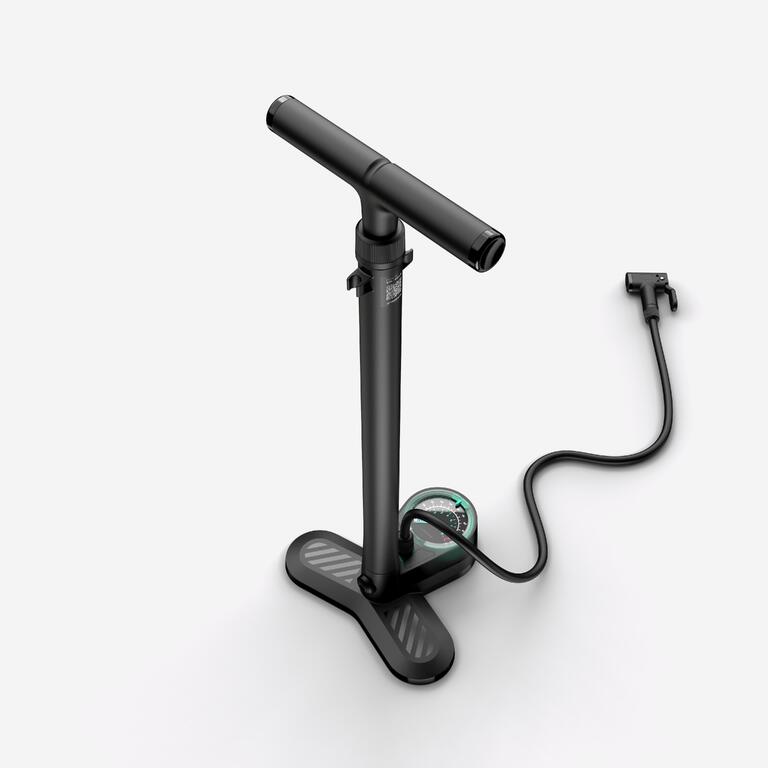
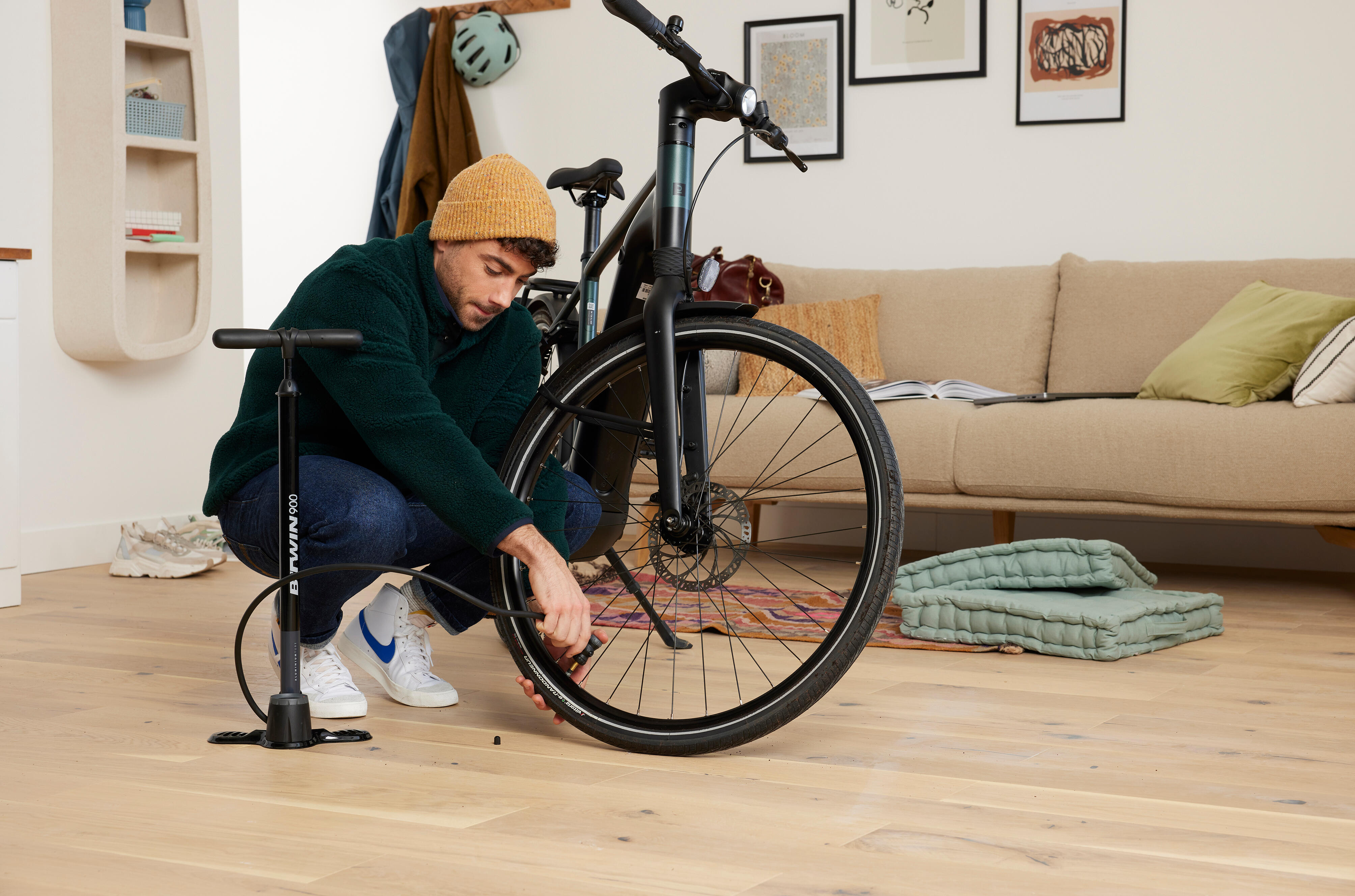
Everyday cyclists. For regular tyre top-ups before a ride, a floor pump makes inflation quick and straightforward at home. Look for a stable design with a gauge if you want to check pressure as you pump.
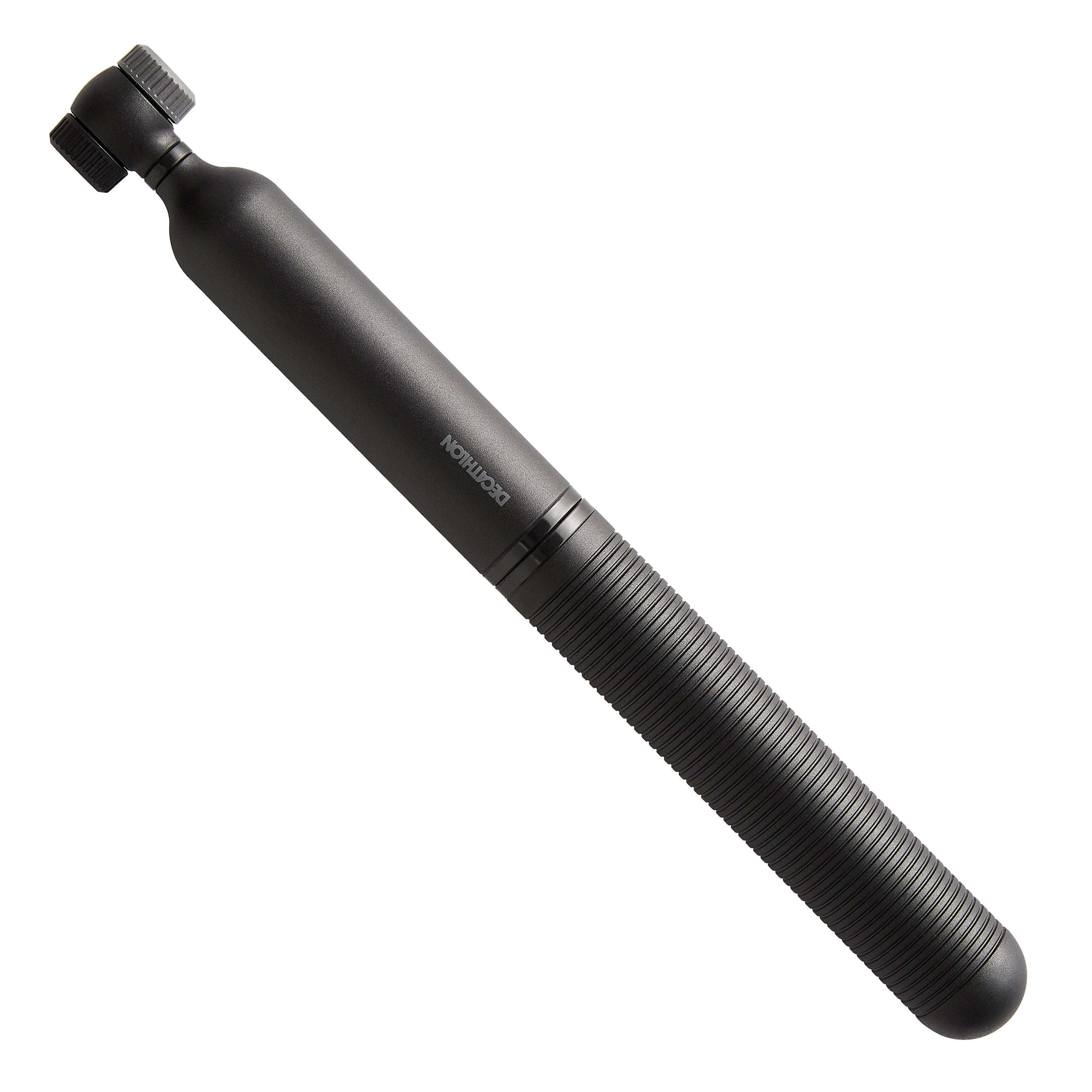
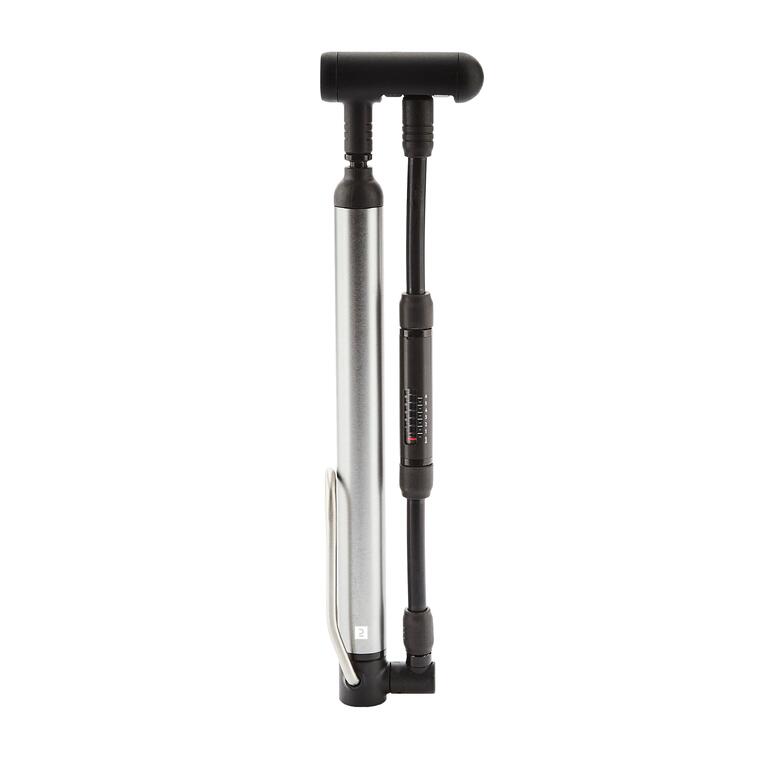
On-the-go riders. A compact hand or mini pump gives you a convenient backup when your tyres need attention away from home. It's easy to carry in a bag or on your bike without taking up much space.
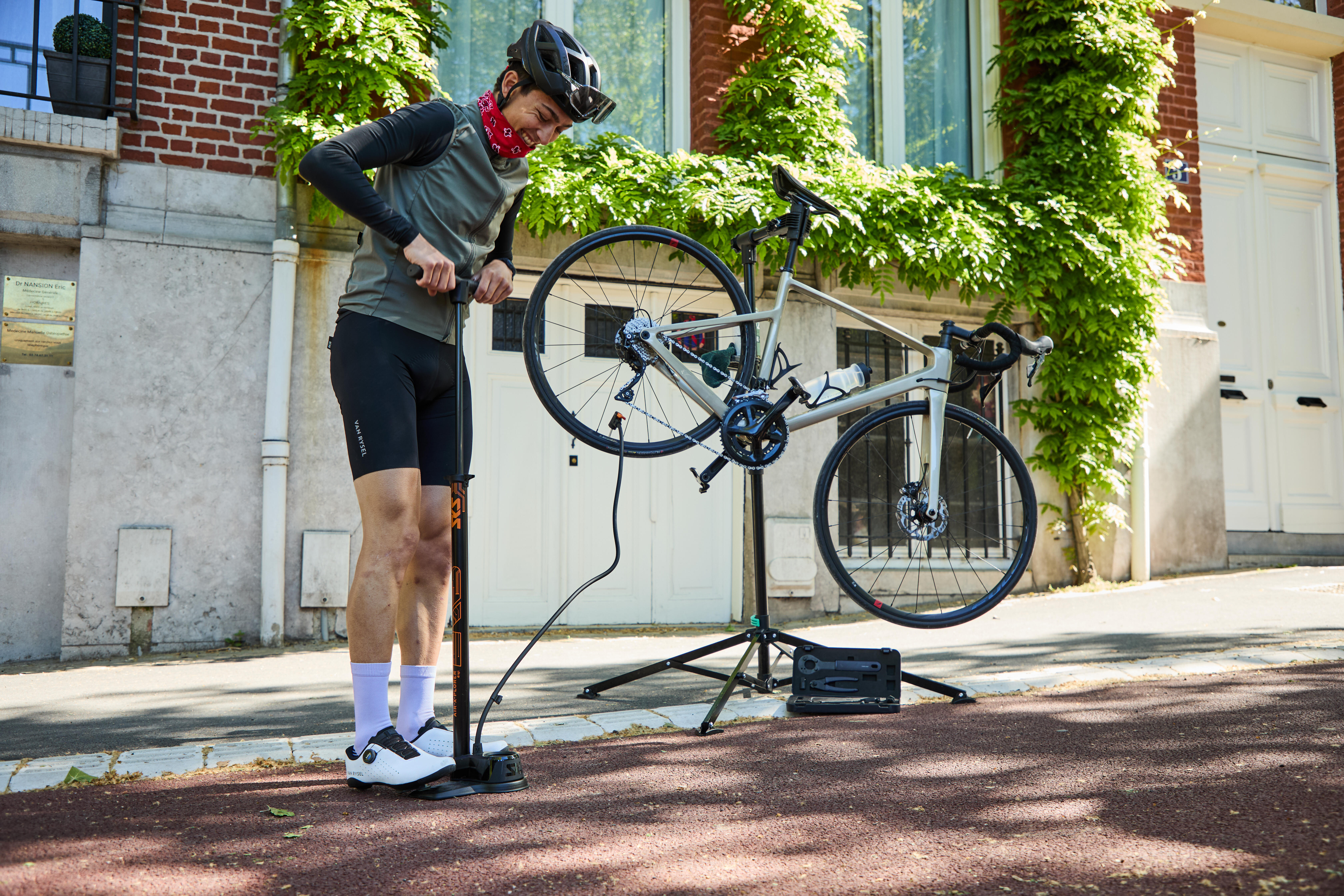
Performance-focused cyclists. Precise tyre pressure can matter more when you're training or fine-tuning your ride. A pump with an accurate gauge and suitable pressure range makes it easier to inflate your tyres consistently.
Maintaining your bike pump
Check the pump head, hose and connections regularly for wear or damage, particularly if you notice air escaping or inflation becoming less efficient. Wipe away dirt and moisture after use, and keep the valve connection clean so it forms a secure seal when pumping. Protect any pressure gauge from unnecessary knocks, and store your bike pump somewhere clean and dry between rides.
Bike pumps by type
Type
Best for
Hand and mini pumps
Roadside top-ups, emergency repairs and carrying on rides.
Regular home use, quick inflation and pressure checks.
What's the difference between a floor pump and a hand pump?
A floor pump is faster and easier for regular inflation at home, with a stable base and more leverage for reaching the required pressure. A hand or mini pump is smaller and more portable, making it a practical backup for tyre top-ups or flats whilst you're out riding.
Will any bike pump work with my bike's valve?
Not always. Check if your bike uses a Presta, Schrader or another valve type, then make sure the pump head fits. Some bike pumps work with multiple valve types, which is handy if you have different bikes at home.
How do I know what pressure to pump my bike tyres to?
Why are some bike pumps better for wider tyres?
How often should I pump up my bike tyres?
Check the recommended pressure range marked on your tyre and follow the tyre or bike manufacturer's guidance. A pump with a pressure gauge makes it easier to stay within the recommended range rather than relying on how firm the tyre feels.
Wider tyres, such as those commonly used on mountain or gravel bikes, require more air volume. A higher-volume pump moves more air with each stroke, helping inflate larger tyres more efficiently, whilst high-pressure pumps are often better suited to narrower road tyres.
Check your tyre pressure regularly rather than waiting until the tyre feels noticeably soft. How often you'll need to add air depends on the tyre, riding frequency and recommended pressure range.
Keep Every Ride Rolling
The right bike pump makes it easier to keep your tyres at the pressure they need, at home before a ride or with a quick top-up on the road. Choose from floor pumps for regular top-ups, compact options to carry with you and designs with more pressure control. Keep your tyres ready so you spend more time riding.
 All SportsMenWomenKidsAccessoriesEquipment and LeisureHealth & NutritionBest DealsNew ArrivalsMarketplace


 Hiking & Trekking
 Swimming
 Cycling
 Fitness (Yoga/Pilates)
 Camping
 Running