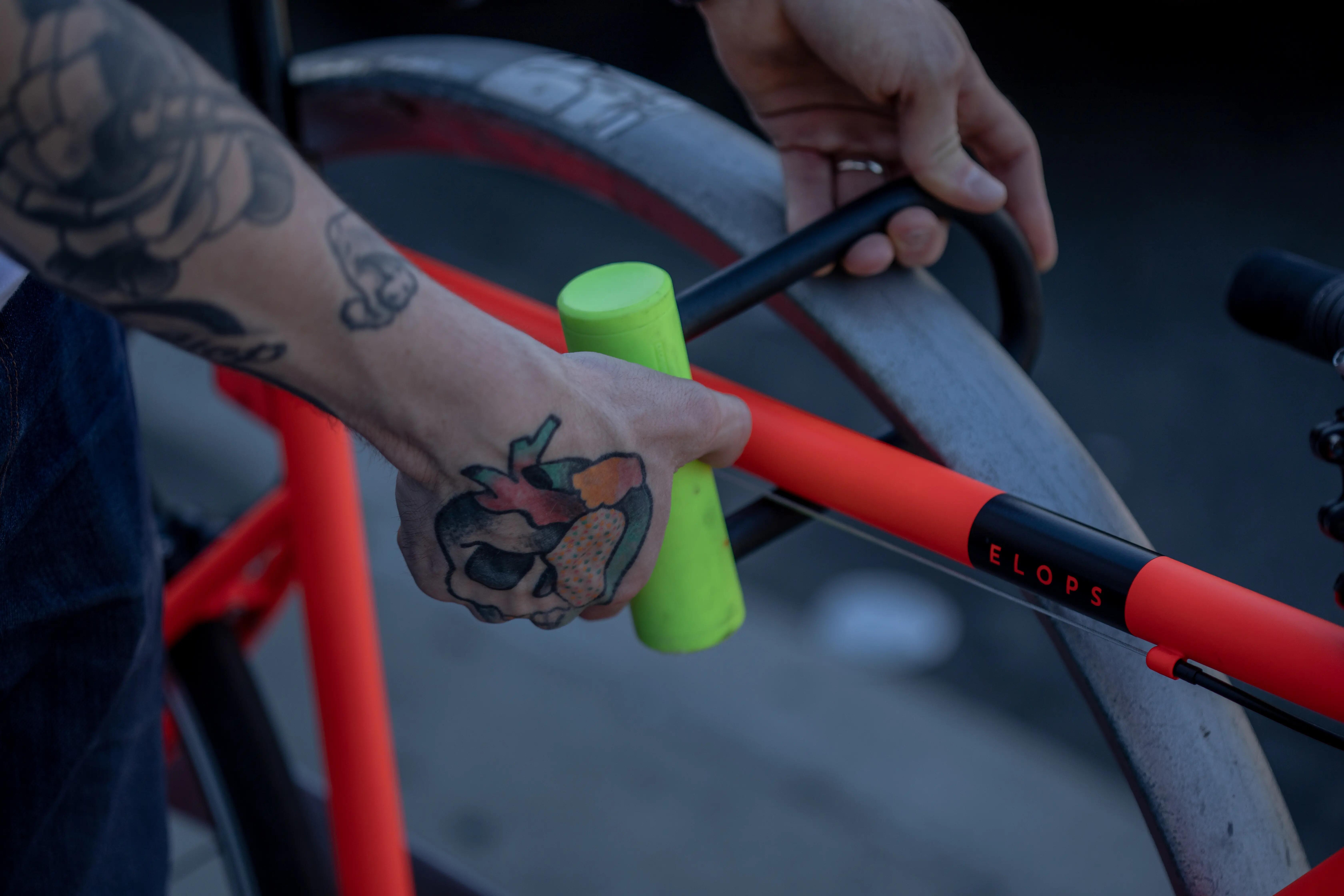
Not every ride or parking spot needs the same level of security. From cable locks for quick stops to U-locks and more secure options for everyday city parking, choosing the right bike lock comes down to where you park, how long you leave your bike and the level of protection you need.
Start with where you usually park and how long your bike will be left unattended. A lighter lock may be suitable for quick stops in lower-risk areas, while regular parking around stations, workplaces or busy public spaces calls for stronger protection. Higher-security locks tend to be heavier, so aim for the level of protection your routine actually requires rather than simply choosing the biggest lock available.
Lock Type
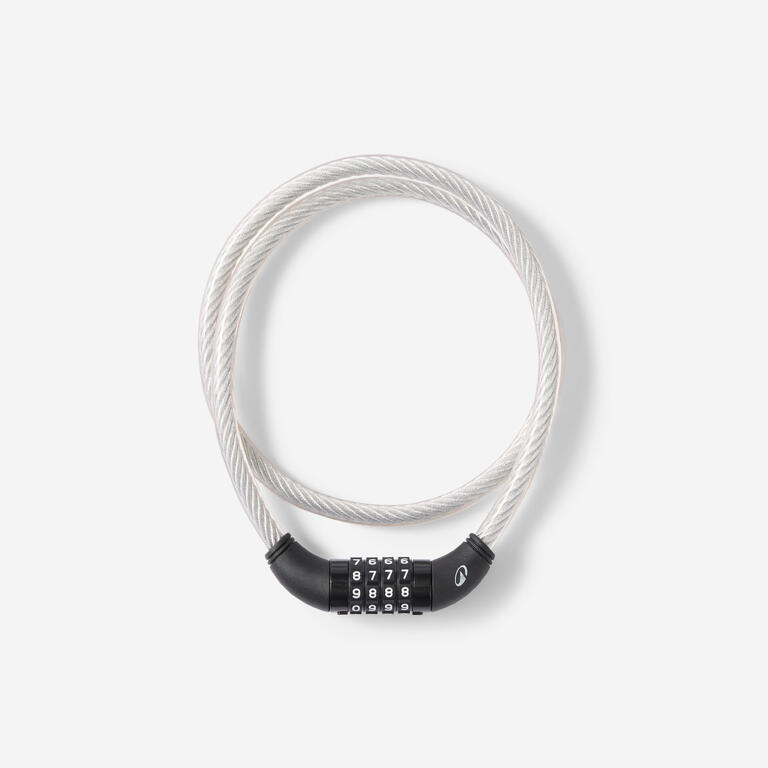
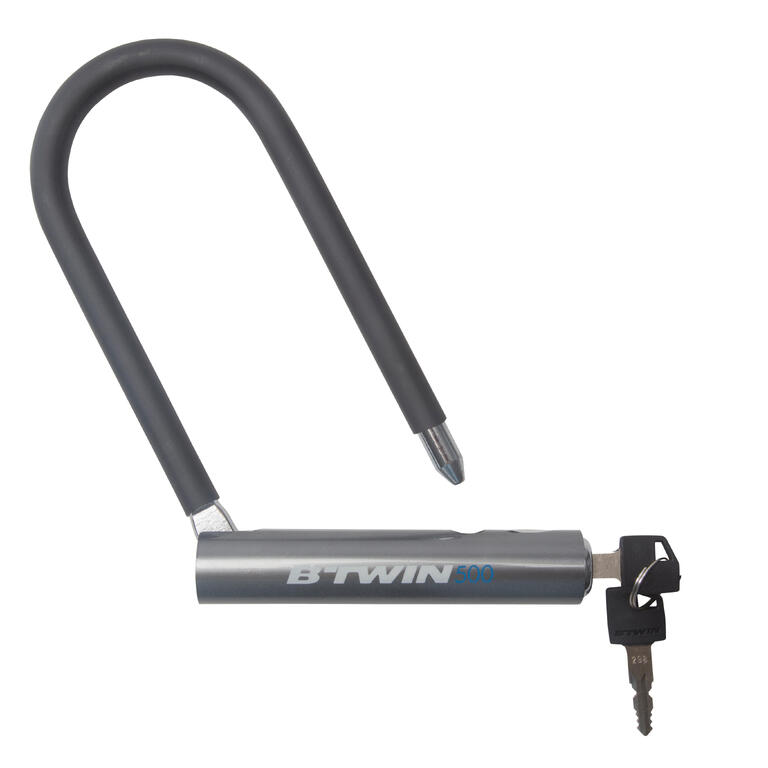
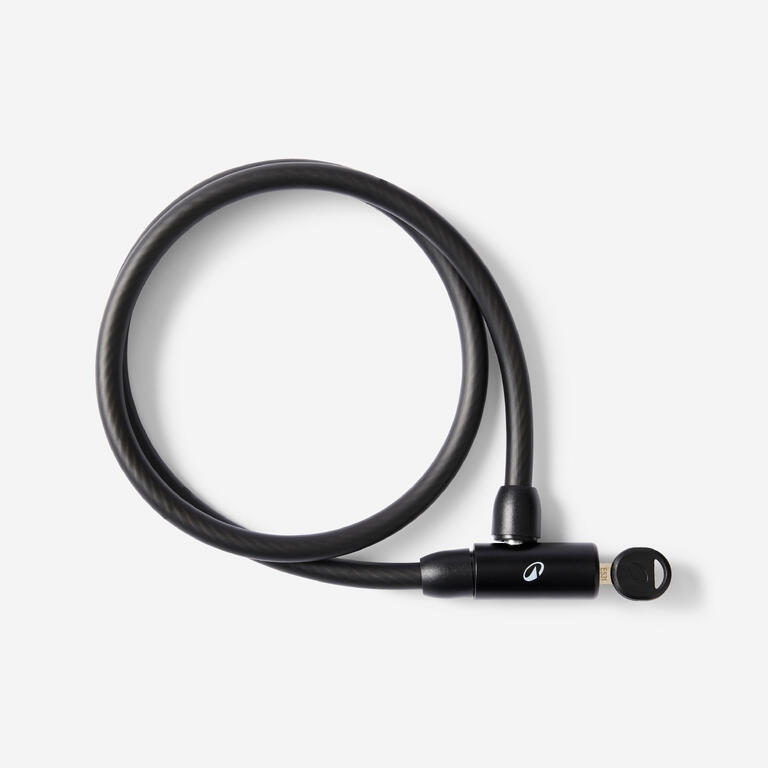
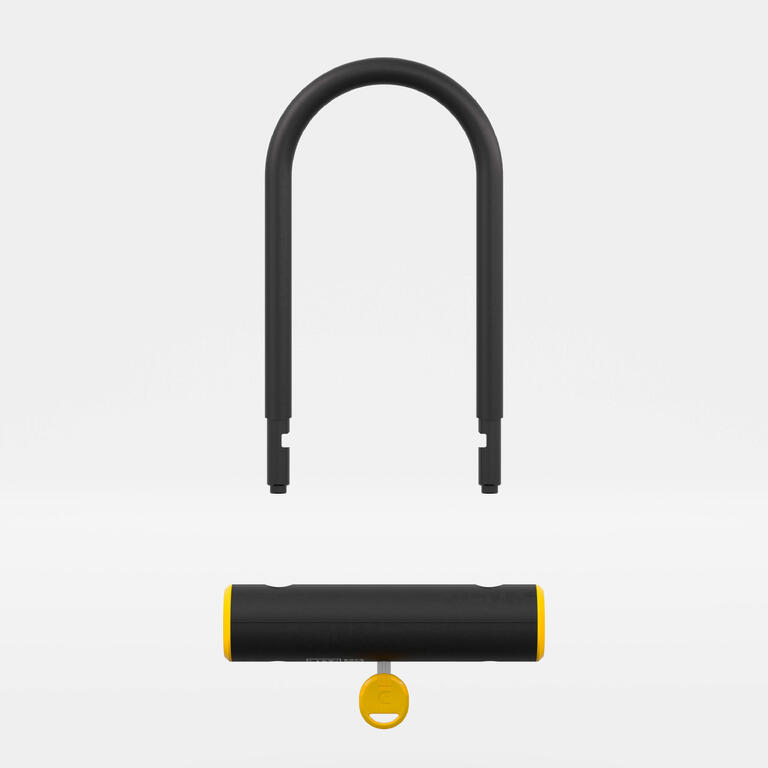
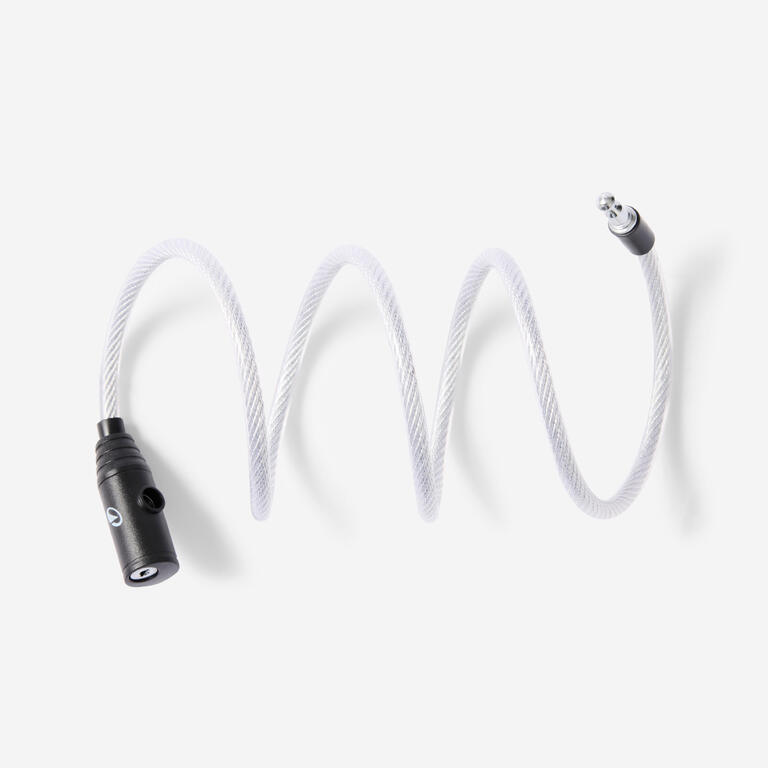
Different bike locks balance security, flexibility and convenience in different ways. D-locks provide rigid protection and work well when securing your frame to a suitable bike rack or fixed object, while chain locks give you more flexibility around different locking points. Cable locks are lighter and easier to carry, making them practical for lower-risk situations or securing accessories alongside your main lock.
Portability
Stronger protection often comes with extra weight, which matters when you're carrying your lock on every ride. Compact cable locks are easy to slip into a bag, while heavier D-locks or chains may be more comfortable to transport using a frame mount or dedicated storage. The best balance is a lock that provides the security you need while still being practical enough to bring with you every time.
Intended Use
Work out what you're securing: the bike itself, or smaller accessories like a helmet or bag. Some lightweight locks only deter opportunistic theft and shouldn't be your only protection for a bike in a higher-risk spot. Check the lock's intended use and security level so the protection matches what you're leaving behind.
Everyday and casual riders. For trips to the shops, cafés or around the neighbourhood, a lightweight bike lock provides practical protection for shorter stops. Choose one that's easy to carry and suited to where you usually park.
Regular city commuters. Parking at stations, workplaces or busy public areas can call for stronger protection. A sturdy D-lock or chain lock balances everyday security with practical use around different locking points.
Riders protecting bikes and gear. If you leave a helmet, bag or accessories with your bike, a lightweight accessory lock can provide additional protection alongside your main bike lock.
How to care for your bike lock
Remove dirt and grit regularly, especially after riding in wet or muddy conditions, as buildup around the keyhole, shackle and moving parts can make the lock harder to operate. Dry it thoroughly after exposure to moisture and, if recommended by the manufacturer, apply a suitable lubricant to keep the mechanism moving smoothly. Check occasionally for corrosion, damage or stiffness, and store your bike lock somewhere dry when you're not using it.
Bike locks by type
Type
Best for
Cable and basic locks
Short stops, lower-risk areas and added accessory security.
Daily commuting, regular parking and moderate-risk areas.
U-locks and medium-security locks
Longer stops, valuable bikes and higher-risk locations.
Heavy-duty chain locks
Key-free convenience, specific setups and additional security needs.
Security depends on the specific lock and its security rating, but sturdy D-locks and heavy-duty chains generally provide stronger protection than lightweight cable locks. For higher-risk parking, prioritise the security rating and consider using more than one lock.
Where should I put a bike lock on my bike?
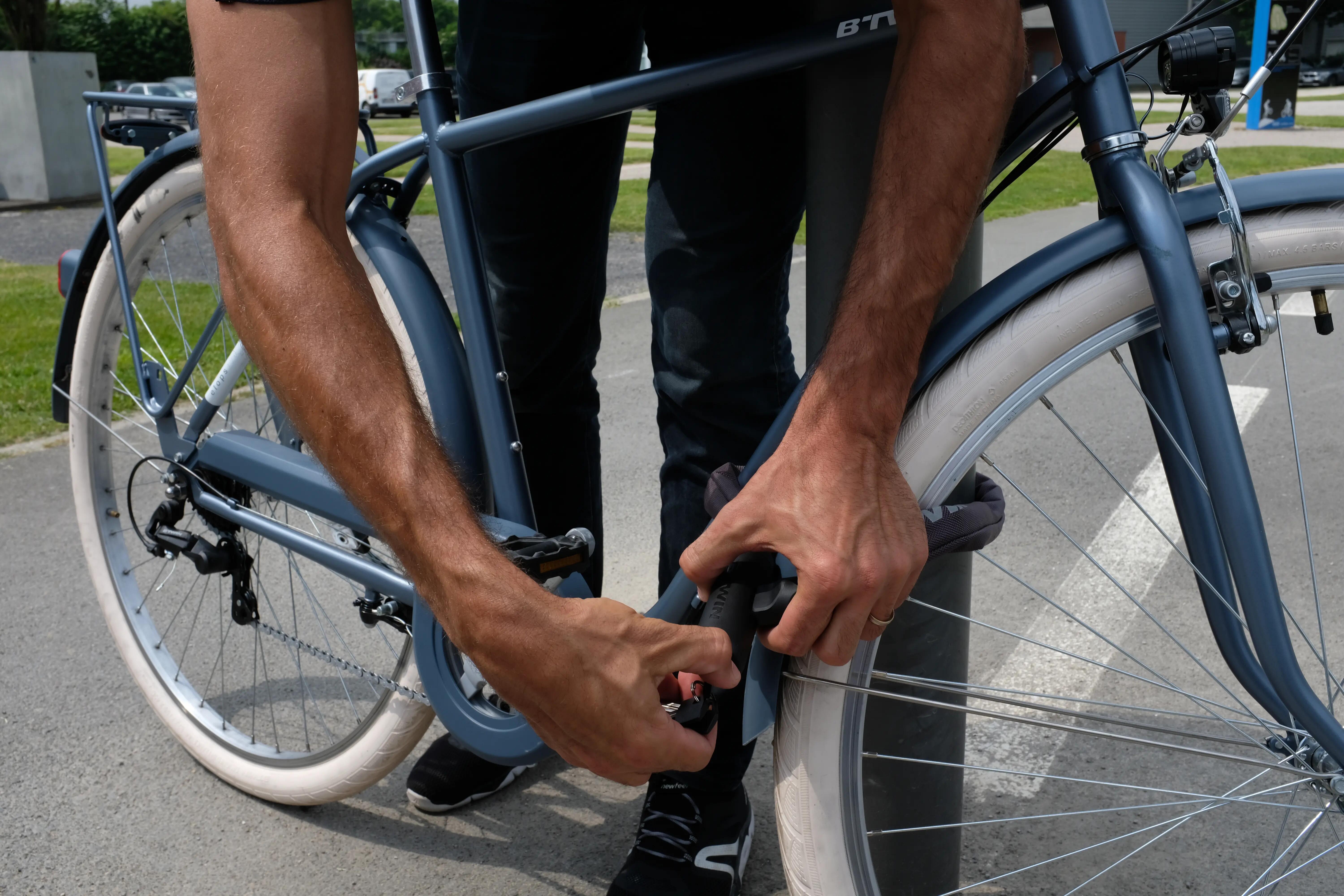
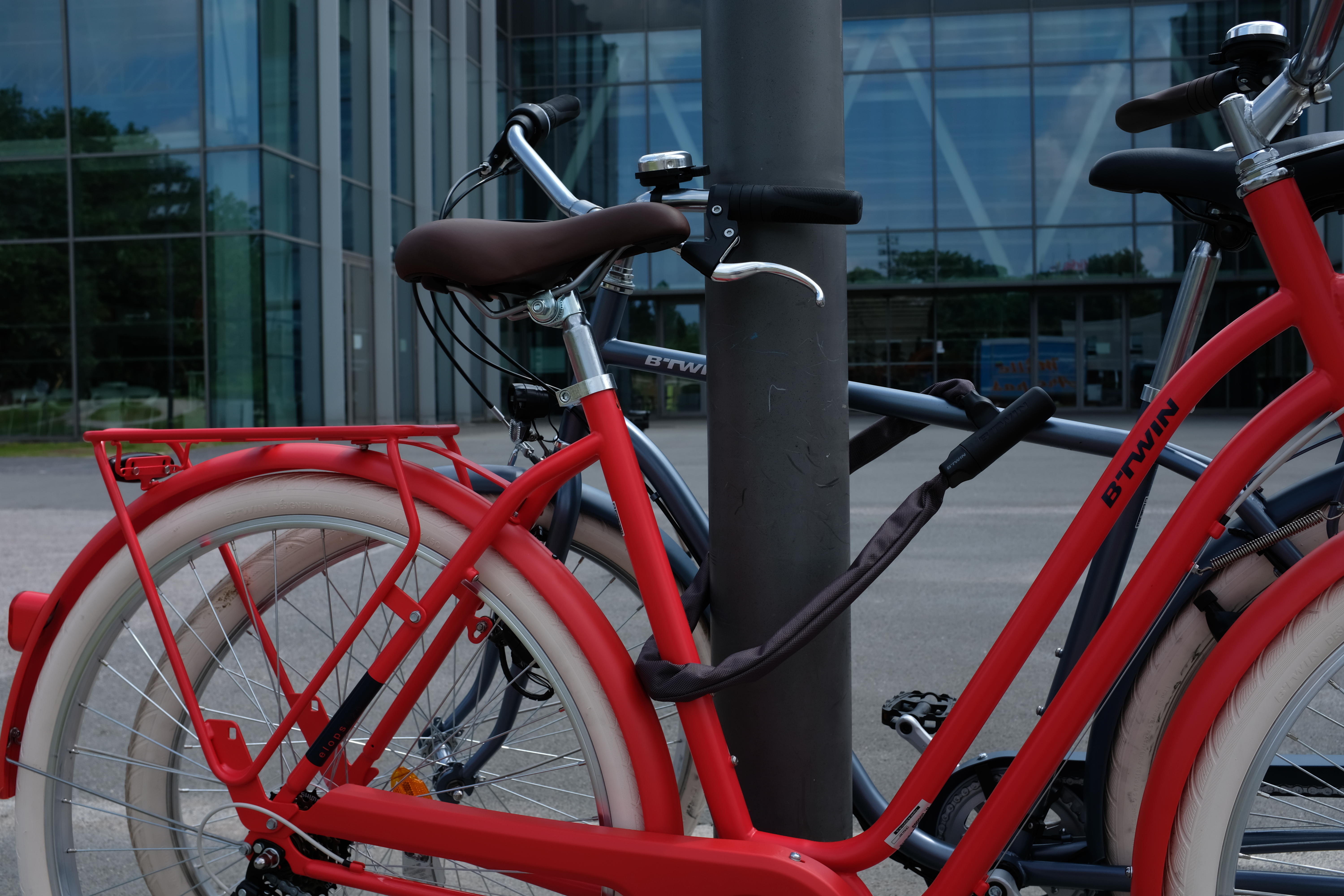
Secure the bike frame to a fixed, suitable object rather than locking only a wheel. Where possible, position the lock so there's limited space for it to be moved or manipulated, and secure removable components if they're at risk too.
Is a cable lock enough for a bike?
Should I use two locks on my bike?
How do I stop a bike lock from getting stiff?
A cable lock can be useful for shorter stops in lower-risk locations, but it generally provides less protection than a sturdy D-lock or chain. It can also work as a secondary lock for wheels, helmets or compatible accessories.
Using two different locks can provide additional protection, particularly for valuable bikes or higher-risk parking locations. It can also let you secure more than one part of the bike, such as the frame and a wheel.
Keep dirt and moisture out of the locking mechanism and dry the lock after wet rides. If the manufacturer recommends lubrication, applying the appropriate product to moving parts can help keep the mechanism operating smoothly.
Lock It Right, Ride With Confidence
The right bike lock should give you protection that makes sense for where, when and how you ride. You might want something lightweight for quick stops, flexible for regular parking or stronger for busy city locations. Explore bike locks for different security needs and choose the protection that fits the way you cycle.
 All SportsMenWomenKidsAccessoriesEquipment and LeisureHealth & NutritionBest DealsNew ArrivalsMarketplace


 Hiking & Trekking
 Swimming
 Cycling
 Fitness (Yoga/Pilates)
 Camping
 Running