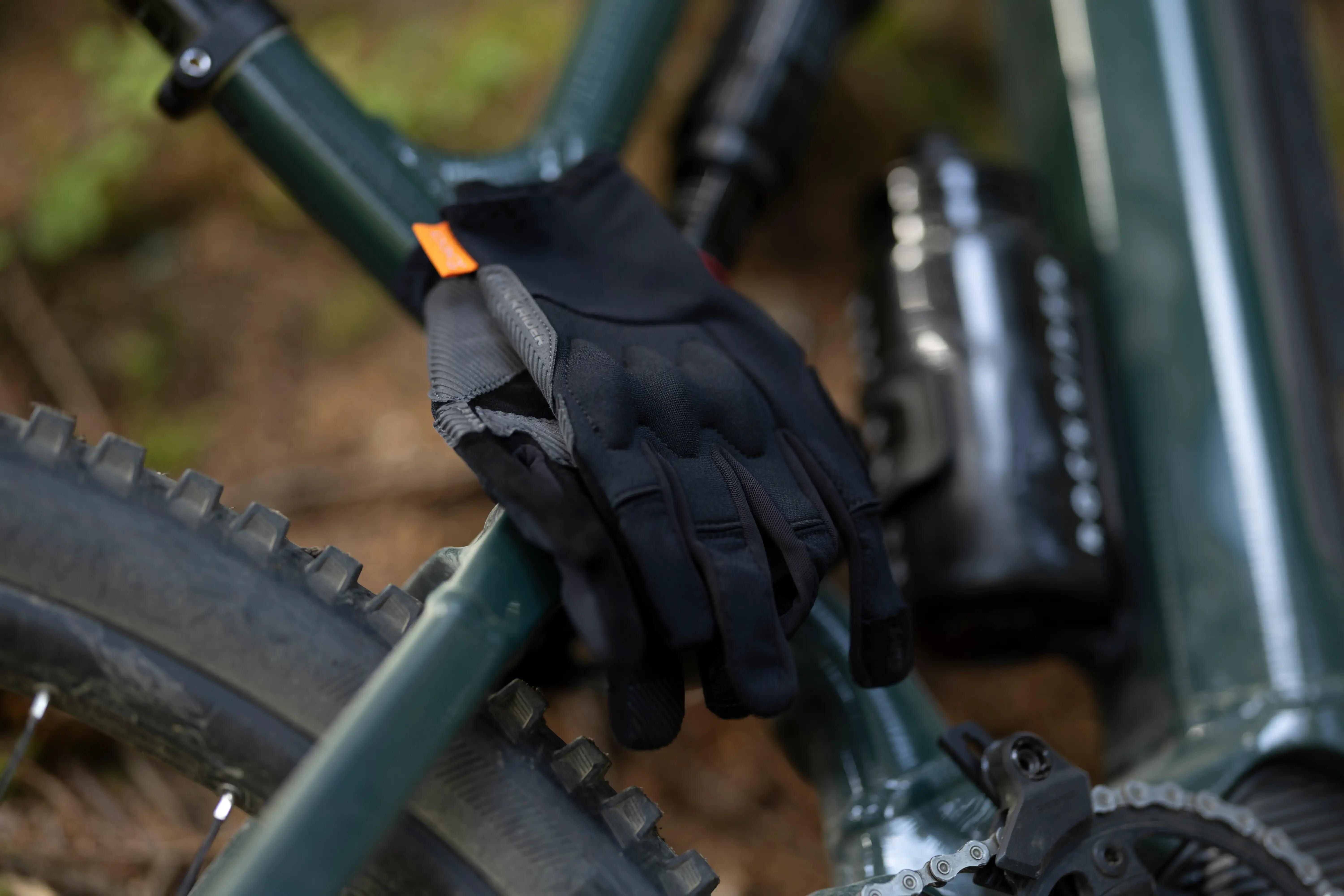
Your hands stay connected to the handlebars through almost every kilometre you ride. Bike gloves add a practical layer of coverage between your palms and the bars, helping you stay comfortable across road rides, mountain trails and everyday commutes. With cycling taking you across different surfaces and conditions, a good pair belongs in the kit whenever you get on the bike.
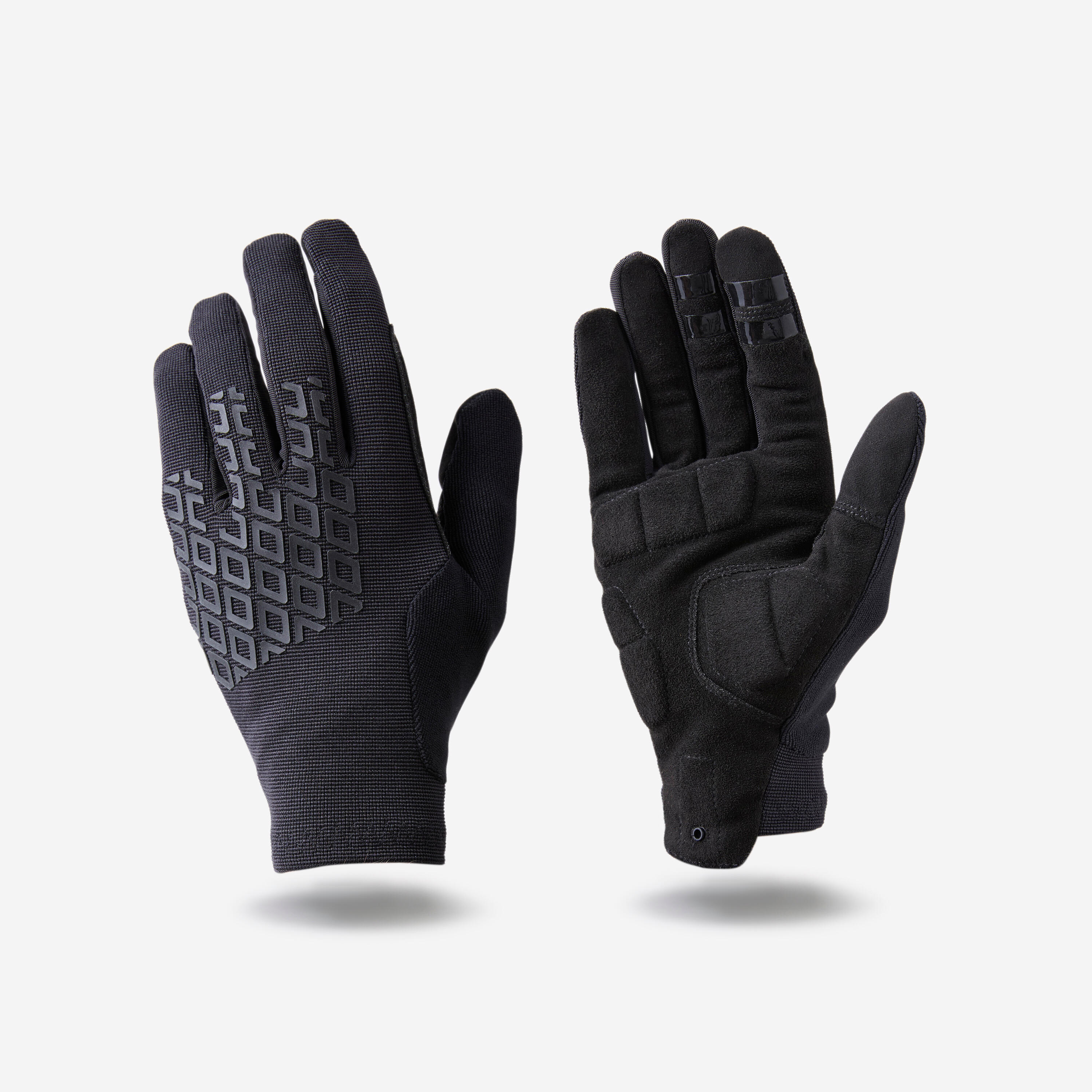
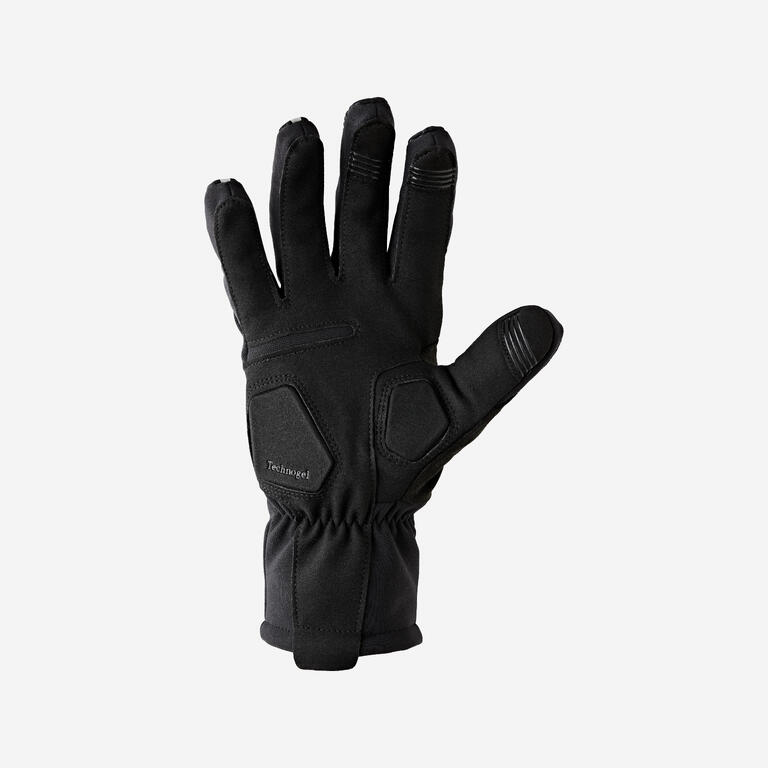
Your hands stay in contact with the handlebars throughout a ride, so padding can make longer sessions more comfortable. Extra cushioning around the palms can suit road rides and longer distances, while lighter padding gives you a more direct feel on the bars. The right amount depends on how long you ride and how much cushioning you prefer between your hands and handlebars.
Grip
A secure grip helps you stay in control when steering, braking and shifting gears. Look for palms with grippy materials or textured sections that maintain good contact with the handlebars as you ride. This becomes particularly useful on rough trails, longer rides or in conditions where your hands are more likely to get sweaty.
Fit and Closure
Bike gloves should fit closely without restricting your fingers or creating excess material around the palm. A secure wrist closure helps keep them in place as you steer and brake, while enough flexibility lets your hands move naturally around the controls. Check the sizing carefully, as gloves that are too loose can shift while you ride.
Coverage
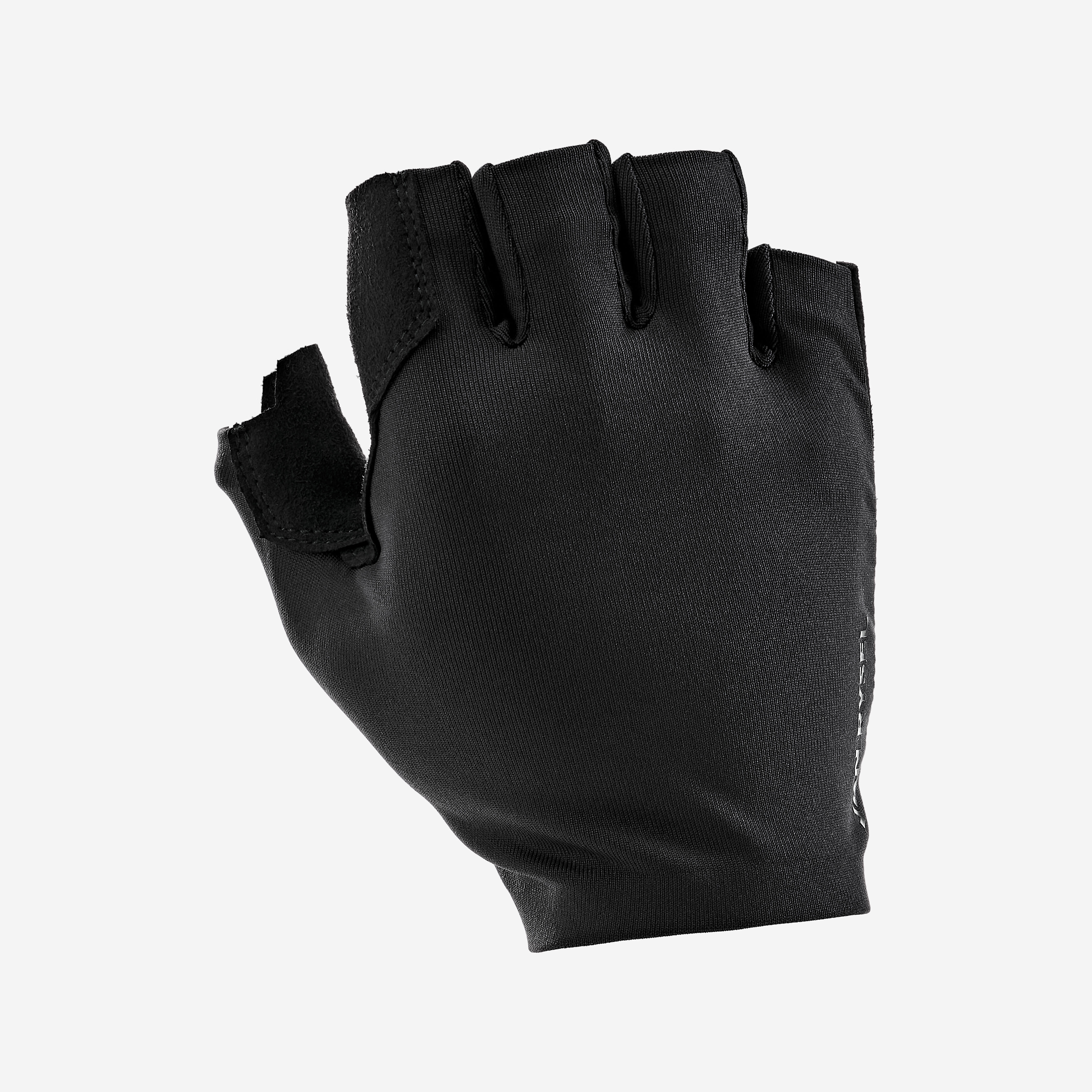
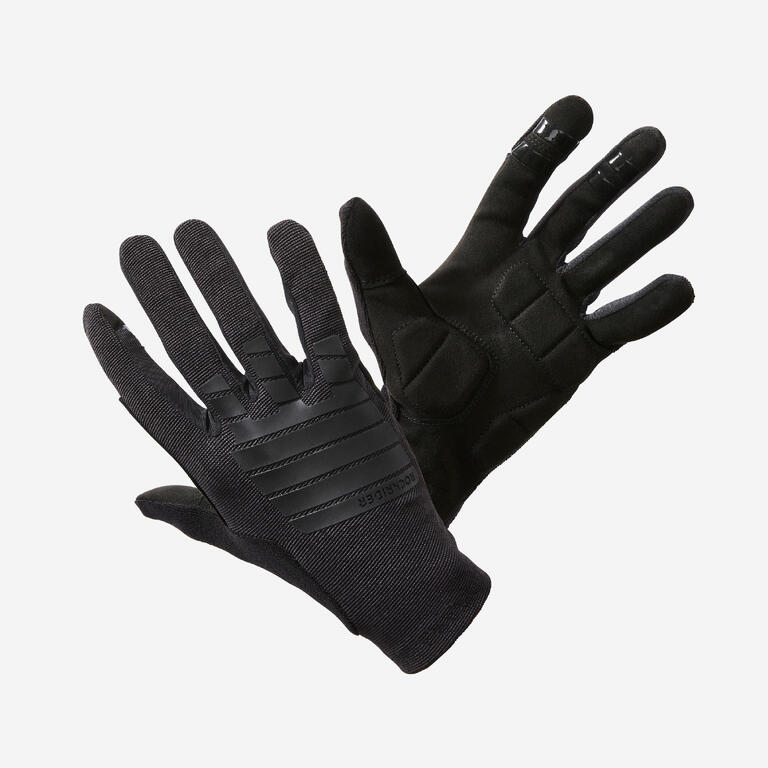
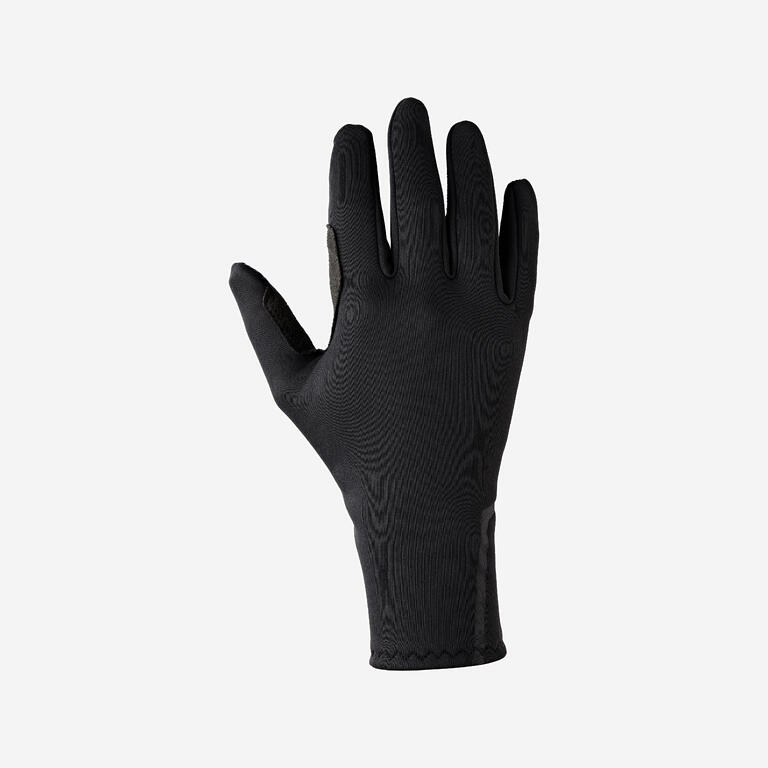
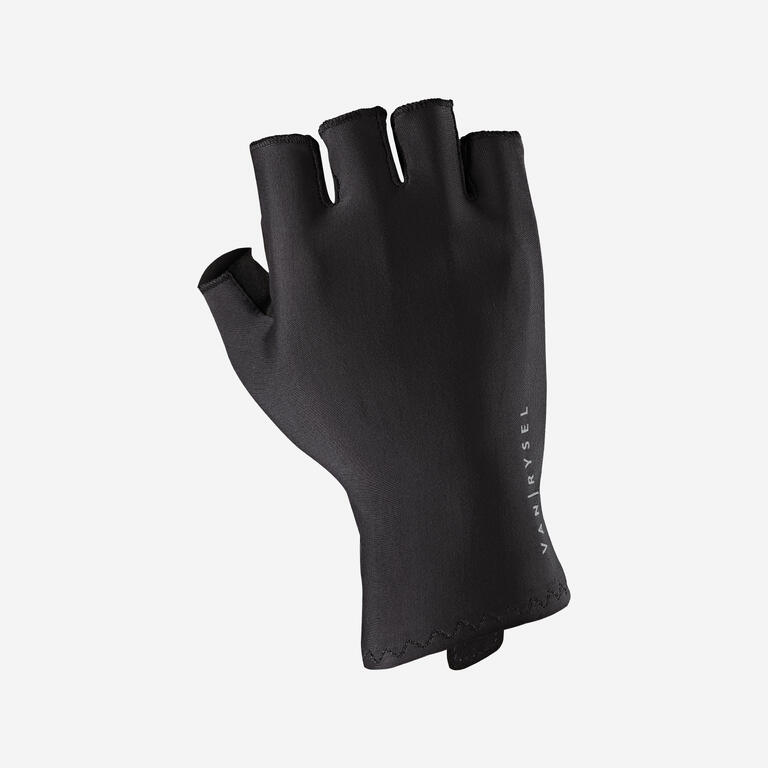
Fingerless bike gloves leave your fingertips exposed and work well when you want more airflow and direct contact with the controls. Full-finger gloves provide additional coverage across the fingers and are commonly suited to mountain biking and cooler conditions. Think about your riding style, terrain and typical weather when deciding how much coverage you need.
Road cyclists. You spend longer stretches on smooth roads where comfort and control matter over distance. A lightweight, breathable glove with well-positioned palm padding can keep your hands comfortable without adding unnecessary bulk.
Mountain bikers. You ride rougher trails where grip, durability and added coverage become more important. Full-finger bike gloves provide more protection, while a secure palm grip helps you maintain control over technical and uneven terrain.
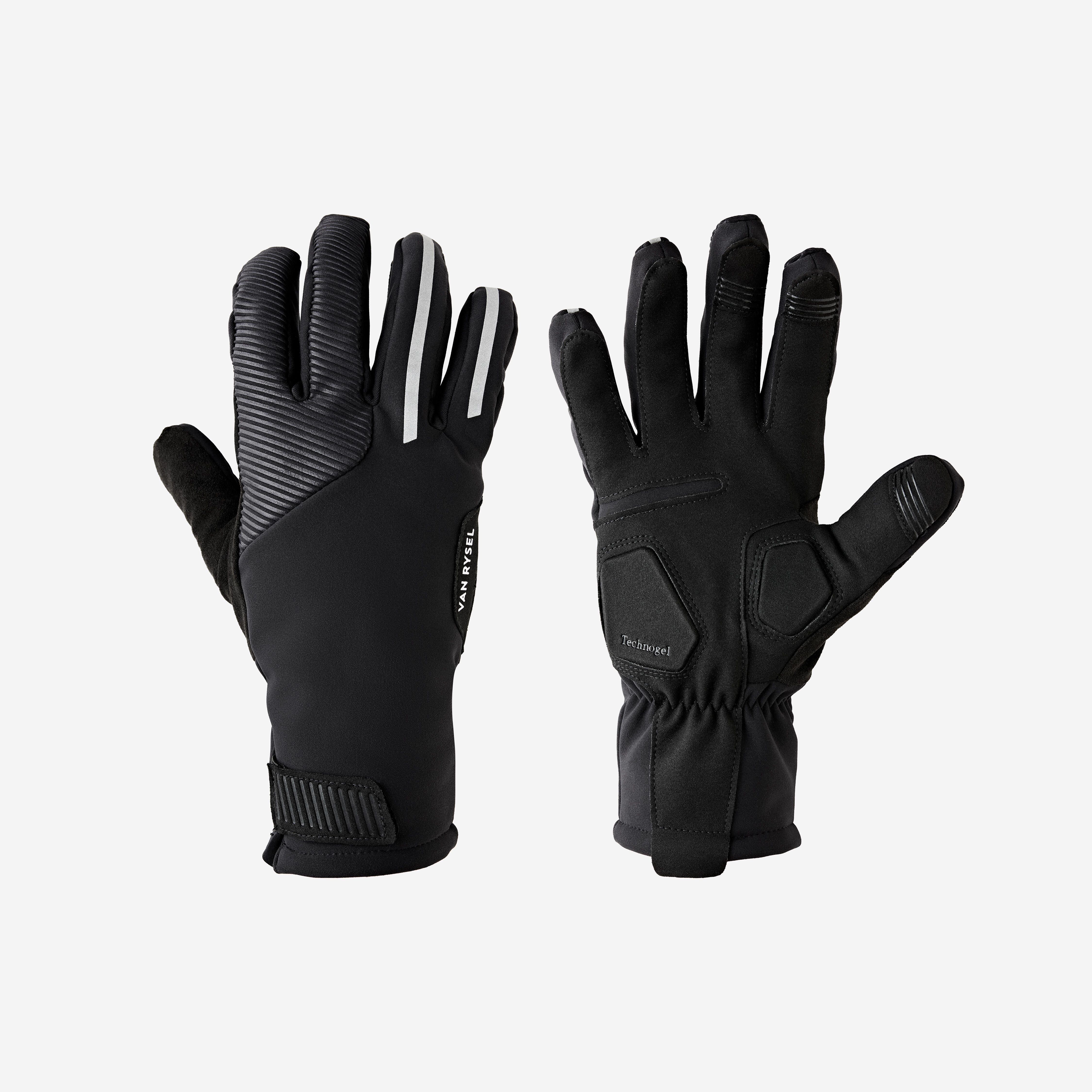
Cold-weather riders. You ride through cooler mornings, winter commutes or colder months when your hands need more protection. Look for wind-resistant materials and added insulation while maintaining enough dexterity for braking and shifting.
Caring for Your Bike Gloves
Brush or rinse away dirt and mud after rides before it becomes worked into the fabric and palm. Follow the care label before washing, particularly for gloves with grip coatings, padding or hook-and-loop closures. Avoid wringing them or placing them near direct heat, which can affect their shape and materials. Let the gloves air dry completely before your next ride.
Bike gloves by type
Type
Best for
Padded cycling gloves
Longer rides where extra cushioning helps with pressure through the palms.
Warm-weather rides where ventilation and direct control matter.
Fingerless cycling gloves
Trail rides and cooler conditions where extra hand coverage is useful.
Full-finger cycling gloves
Cold-weather rides where warmth and wind protection matter most.
Not always, but they can make regular or longer rides more comfortable. Bike gloves create a layer between your palms and the handlebars, while also giving your hands some protection if you come off the bike. Their benefits tend to become more noticeable as ride time or terrain gets more demanding.
Can I use the same bike gloves for road cycling and mountain biking?
You can, particularly for casual riding, but each discipline tends to favour different features. Road cyclists often prefer lighter gloves with palm cushioning, while mountain bikers may want full-finger coverage and tougher materials for trail riding. One versatile pair can work across both if it feels comfortable and gives you the control you need.
Do cycling gloves help with hand numbness?
Can I use bike gloves with a touchscreen?
When should I replace my bike gloves?
Padding can help reduce pressure through the palms, but numbness can also be caused by riding position, handlebar setup or gripping the bars too tightly. If numbness keeps happening, don't rely on gloves alone. Check your bike fit and riding position as well.
Some full-finger cycling gloves have touchscreen-compatible fingertips, while others don't. If you regularly use your phone or cycling computer during stops, check for touchscreen compatibility before choosing a pair.
Replace them when palm padding has noticeably flattened, grip surfaces have worn smooth or holes and damaged seams begin to appear. Gloves that no longer fit securely or provide the comfort they once did are also worth replacing.
More Control From the Handlebars
Your hands are one of your main contact points with the bike, so keeping them comfortable can make the whole ride feel better. A dependable pair of bike gloves adds an extra layer between you and the bars without getting in the way of braking, shifting or steering. With your hands sorted, you can put your attention back on the kilometres ahead.
 All SportsMenWomenKidsAccessoriesEquipment and LeisureHealth & NutritionBest DealsNew ArrivalsMarketplace

 Hiking & Trekking
 Swimming
 Cycling
 Fitness (Yoga/Pilates)
 Camping
 Running