Best walks in Victoria

Victoria fits coastal summits, cool rainforest and high alpine ridges into one state. These six walks show its range, with what to know and the kit worth packing.

What should you pack?

Kit for changeable weather, longer days and rougher ground.

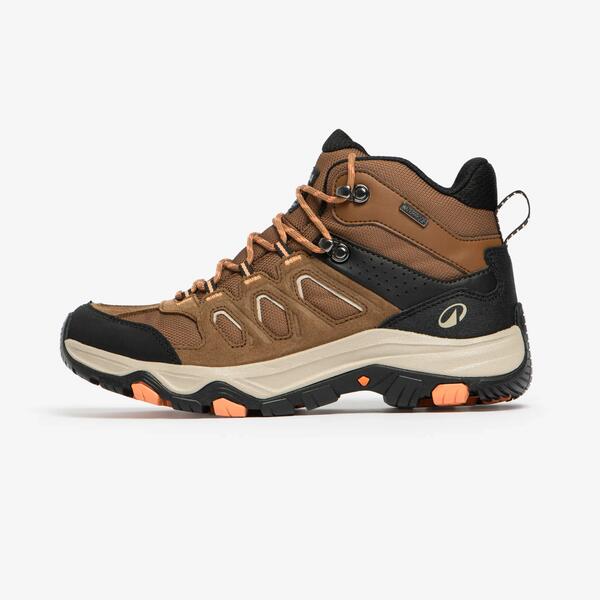
Brown waterproof high-rise hiking boot
BOOTS

Boots and shoes with grip for rockier, steeper ground.

What to prioritise
Start here

Mountain Hiking Boots & Shoes

Shop the Range
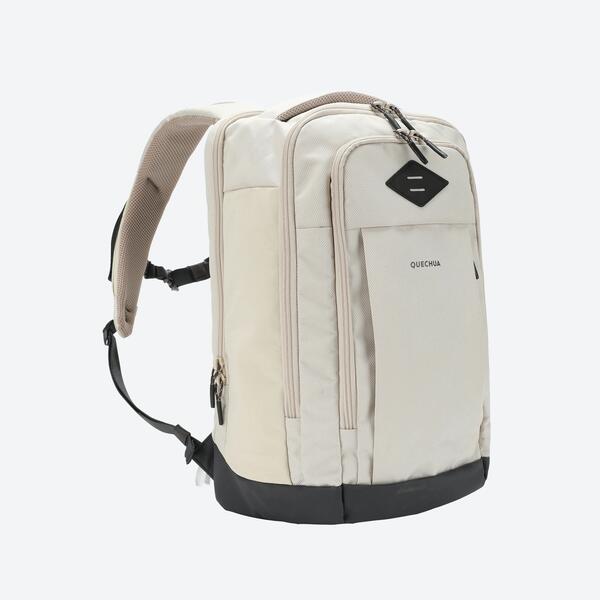
Beige multi-pocket hiking backpack
BACKPACKS

Packs from small day bags to trekking sizes.

What to prioritise
Carry it all

Hiking Backpacks

Shop the Range
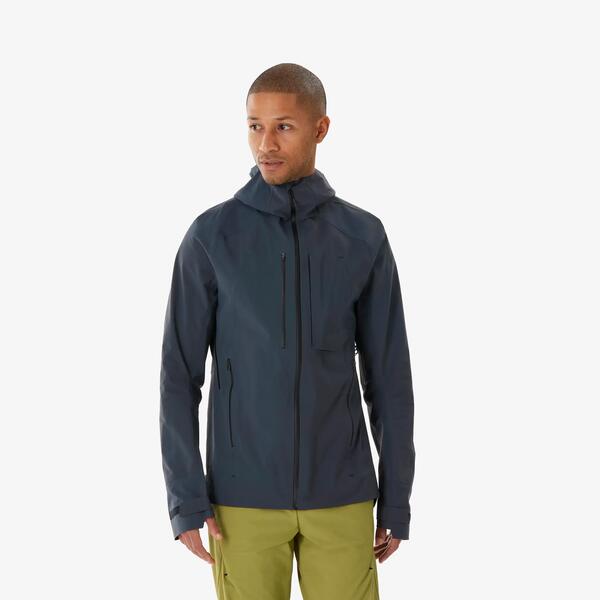
Grey lightweight waterproof hiking jacket
WEATHER

Waterproof jackets and ponchos for sudden showers.

What to prioritise
Pack it anyway

Hiking Rain Jackets & Ponchos

Shop the Range
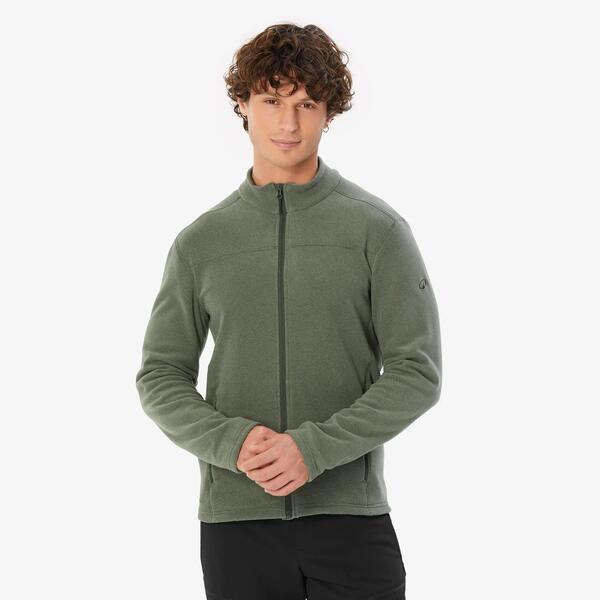
Green hiking fleece jacket
WARMTH

Fleece layers for cool mornings and windy summits.

What to prioritise
Layer up

Hiking Fleeces

Shop the Range
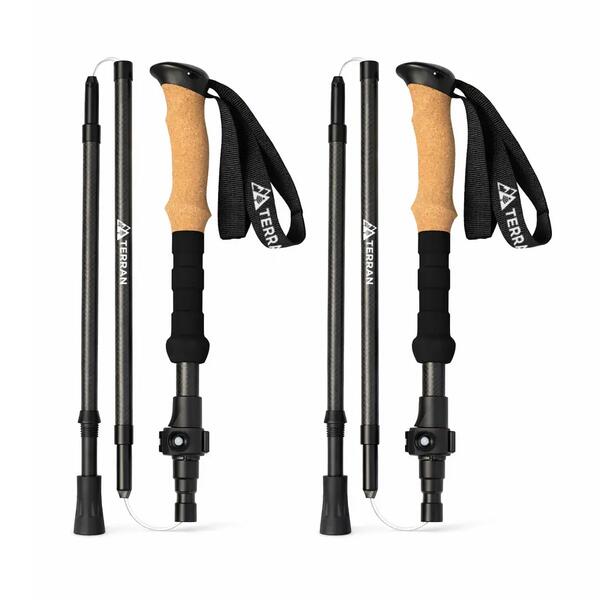
Pair of foldable carbon hiking poles
POLES

Single poles and pairs to steady steps and descents.

What to prioritise
Easier on knees

Hiking & Trekking Poles

Shop the Range
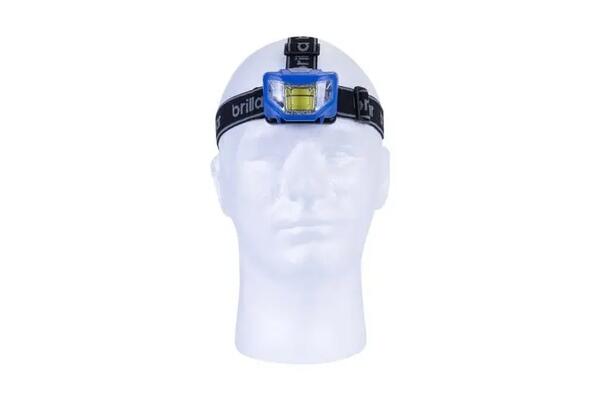
LED headlamp with adjustable headband
LIGHT

Head torches for early starts and late finishes.

What to prioritise
Hands free

Hiking Headlamps

Shop the Range

Victorian walks worth the trip

From a short rainforest stroll to a multi-day coastal trek.

Grade 4, about 2 hours

Mount Oberon Summit, Wilsons Promontory

A 6.8 km return climb from Telegraph Saddle car park that winds up through tall eucalypts, finishing with timber and granite steps. The summit looks over the coastline, Tidal River and the offshore islands.

Good to knowGranite boulders can be slippery when wet and there are unprotected cliffs at the top. Dogs are not allowed.

Multi-day

Great Ocean Walk

A trail of more than 100 km from Apollo Bay to the Twelve Apostles, usually walked over eight days through tall forest, fern gullies, remote beaches and clifftops. You can also walk a single day or a favourite section.

Good to knowHike-in campsites must be booked before you walk, and walking east to west is recommended. Some beach and river crossings can be unsafe at high tide or in rough surf, so check tide times and local conditions each day.

Grade 4, full day or overnight

The Razorback to Mount Feathertop

A 22 km return walk from Diamantina Hut near Mt Hotham, following a ridge mostly above the treeline to Mount Feathertop, Victoria's second-highest peak. Allow about 8 hours, or split it with a night camped near Federation Hut.

Good to knowThe ridge is very exposed and should not be crossed in bad or unsettled weather. Local tourism advice suggests November to April as the best time to go.

Easy, about 1 hour

Gorge Heritage Walk, Mount Buffalo National Park

A 2.5 km return walk from the Gorge Day Visitor Area, opposite the Mount Buffalo Chalet, that links a string of lookouts over the gorge. Signs along the way tell the area's story through the eyes of local pioneer guide Alice.

Good to knowRoad and parking arrangements change in winter, so check Parks Victoria before you drive up. For a longer outing, the 4 km Lake Catani Track runs through Alpine Ash to the lake.

Easy, short walks

Fern Gully and Corrigan Suspension Bridge, Tarra-Bulga National Park

Two short walks in the Strzelecki Ranges. The 720 metre Fern Gully Nature Walk introduces Mountain Ash forest and cool temperate rainforest, and a 1.2 km track from the visitor centre car park leads to a suspension bridge through the rainforest canopy.

Good to knowAllow about 15 minutes return for Fern Gully and 25 minutes each way to the bridge. The first 300 metres of the Lyrebird Ridge Track is flat gravel, with slopes beyond that may be hard for unassisted wheelchair users.

Grade 5, about 2 hours one way

Razorback Walk, Cathedral Range State Park

A narrow, rocky ridge walk from Sugarloaf Peak to the Farmyard camping area, with steep drop-offs and views over forested farmland and valleys. Parks Victoria says it suits experienced bushwalkers only.

Good to knowThere is no shelter or natural water and phone signal is unreliable, so carry plenty of water and consider a personal locator beacon. Avoid it in bad weather, low visibility, strong winds or on high fire danger days.
What to know before you go

Layers for the high country

On alpine walks like the Razorback, the weather can change quickly and the ridge is very exposed. Carry a warm fleece and a waterproof jacket, even when the morning is clear.

Tides on coastal walks

Some beach and river crossings on the Great Ocean Walk can be unsafe at high tide or in rough surf. Check tide times before each day and take inland alternatives where they exist.

A map and a plan

Signage can be limited on rugged walks such as the Cathedral Range, where you follow orange track markers. Carry a map, know your route and allow plenty of daylight.

Safety for remote walks

Phone signal is unreliable in many parks. A personal locator beacon is worth carrying on remote or exposed walks, and always tell someone your plans.

First-timer tips

Match the walk to your fitness

Start with short, easy walks such as the Gorge Heritage Walk before taking on Grade 4 or Grade 5 routes like Mount Oberon or the Cathedral Range.

Book what needs booking

Multi-day walks such as the Great Ocean Walk need hike-in campsites booked before you go. Check the land manager's website for current details.

Check conditions on the day

Fire danger, storms, flooding and seasonal road closures can all affect access. Check park alerts and the fire danger rating before you leave.

Your Victorian walking kit at a glance

ItemWhyTip
Hiking bootsGrip and support on rock and stepsChoose waterproof boots for wet coastal and alpine tracks
BackpackRoom for water, food and layersGo bigger for full days and overnight walks
Rain jacketWeather changes fast, especially up highKeep it near the top of your pack
FleeceWarmth on summits and windy ridgesAdd it before you get cold, not after
Trekking polesSupport on long climbs and descentsPractise with them on a shorter walk first
Head torchLight if a long day runs latePack spare batteries or charge it the night before
WaterMany walks have no water on the routeCarry more than you expect to drink

Look after your kit

  • Brush dirt and sand from your boots after each walk and dry them slowly, away from direct heat.
  • Wash and reproof your rain jacket when water stops beading on the fabric.
  • Wash fleeces on a gentle cycle and let them air dry.
  • Wipe your trekking poles dry after wet walks before you pack them away.

Frequently asked questions

What are the best walks in Victoria for beginners?

Short walks such as the Gorge Heritage Walk at Mount Buffalo (2.5 km return) and the Fern Gully Nature Walk in Tarra-Bulga National Park (720 metres return) are easy places to start. The Grampians (Gariwerd) also has plenty of short walks around Halls Gap. Build up to harder climbs like Mount Oberon once you know how your legs and kit feel on a sustained uphill.

Do I need to book or pay for walks in Victoria?

Most day walks don't need a booking. Multi-day walks are different: hike-in campsites on the Great Ocean Walk must be booked before you start, and that booking acts as your camping permit. Some parks, reserves and campgrounds charge fees, so check Parks Victoria or the relevant land manager for current details before you go.

When is the best time to walk in Victoria?

It depends on where you are heading. Alpine walks such as the Razorback are best from late spring to autumn, with local tourism advice pointing to November to April, while forest and coastal walks can be enjoyed for much of the year. Waterfalls and fern gullies are at their best after rain. In summer, check the fire danger rating, as some parks close on high-risk days.

Can I take my dog on walks in Victorian national parks?

Generally not. National parks in Victoria are usually dog prohibited, and Parks Victoria states that dogs are not allowed on walks such as Mount Oberon at Wilsons Promontory. Assistance dogs are welcome, with entry requirements in parks that are usually dog prohibited. Some regional and state parks allow dogs on a lead, so check the rules for each park before you go.

What should I pack for an alpine walk in Victoria?

Pack for cold, wind and rain even in summer: a warm fleece, a waterproof jacket, a hat and sun protection. Carry plenty of water and food, a map and a head torch in case the day runs long. On exposed ridges like the Razorback there is little protection from the weather, so turn back if conditions change.

Plan your next Victorian walk

Choose a walk that suits your fitness, check the conditions and pack for the weather. We have the kit for every kind of trail.

Free delivery on orders over $150. Members get our lifetime warranty.

Explore Mountain Sports
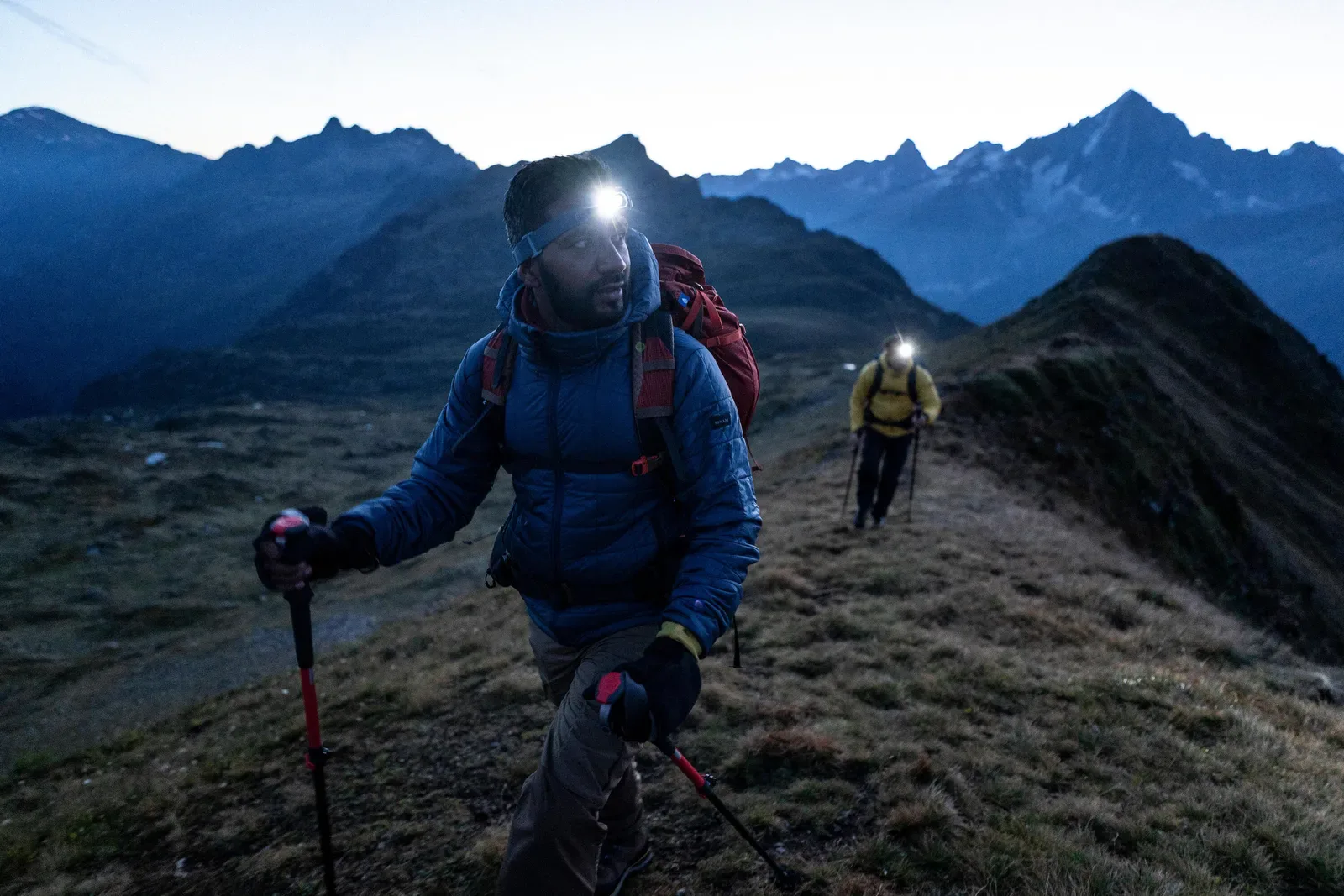
Two hikers with head torches and trekking poles on a grassy ridge at dusk