The best hikes in Tasmania

Tasmania fits granite beaches, glacial tarns, waterfalls and sea cliffs into one island, often within a short drive of each other. Here are six walks worth planning a trip around, and the kit that keeps you comfortable when the weather turns.

What should you pack for Tasmania?

Waterproofs and warm layers first, then the kit for a long day out.

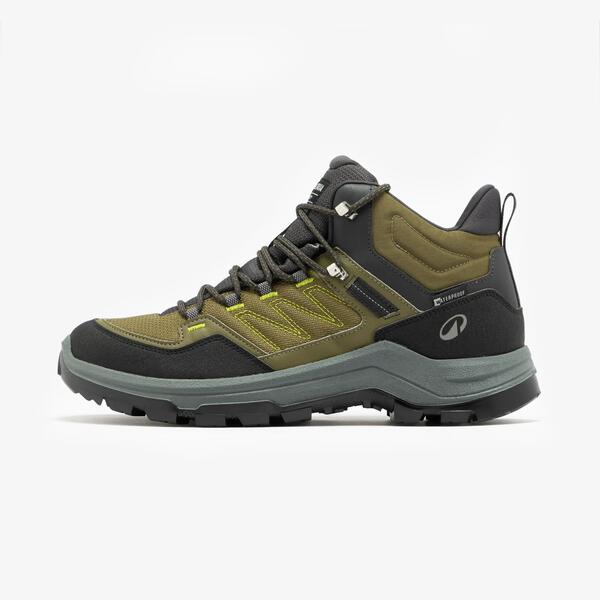
Green waterproof mid-height hiking boot
FOOTWEAR

Hiking boots and shoes, many of them waterproof.

What to prioritise
Steady footing

Mountain Hiking Boots & Shoes

Shop the Range
Black hooded waterproof hiking jacket
WATERPROOFS

Waterproof jackets, ponchos and overtrousers for wet days.

What to prioritise
Always pack one

Hiking Rain Jackets

Shop the Range
Dark grey zip-up fleece jacket
WARM LAYER

Fleece jackets and tops that layer under a shell.

What to prioritise
Warmth on summits

Hiking Fleeces

Shop the Range
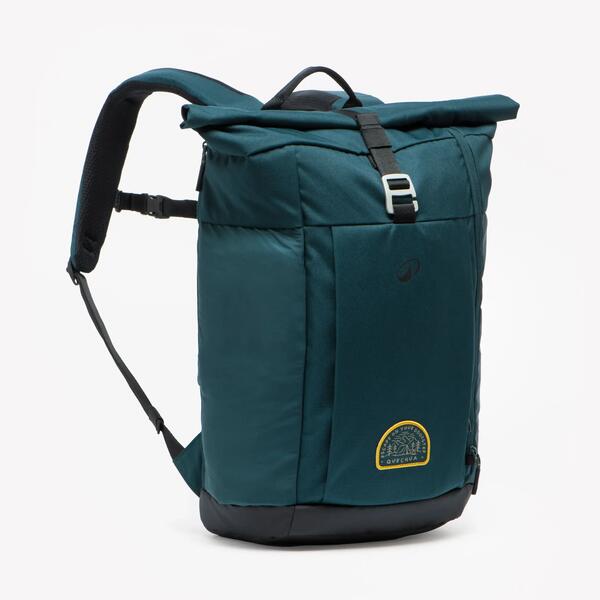
Green roll-top hiking daypack
PACKS

Daypacks through to big packs for multi-day trips.

What to prioritise
Carry the layers

Hiking Backpacks & Trekking Packs

Shop the Range
Green stainless steel water bottle with screw cap
WATER

Bottles and flasks to keep you drinking all day.

What to prioritise
Fill before you go

Water Bottles & Bladders

Shop the Range
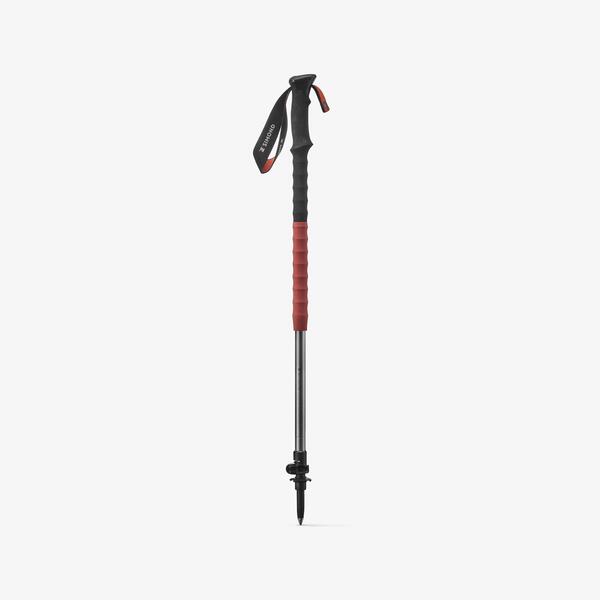
Single adjustable trekking pole with brown grip
SUPPORT

Single poles and pairs to ease steep descents.

What to prioritise
Kinder on knees

Hiking Poles & Trekking Poles

Shop the Range

Tasmanian walks worth doing

Six day walks across the state, from a short waterfall stroll to a summit scramble.

Moderate, half day

Wineglass Bay, Freycinet National Park

A steady climb to lookout platforms above the curve of Wineglass Bay, about 2.6 km return. For the beach itself, carry on down roughly 1000 stairs, which makes it about 6 km return.

Good to knowParks Tasmania allows about 1 to 1.5 hours for the lookout and 2.5 to 3.5 hours for the beach. Drinking water is scarce on the track, so fill up at the car park taps before you start.

Moderate, half day

Organ Pipes Track, kunanyi / Mount Wellington

Hobart's own mountain walk, a well-formed track that runs beneath the Organ Pipes rock formations between The Springs and The Chalet. You get big views over the Derwent Estuary along the way.

Good to knowIt opens with stone steps and climbs steadily on rock and gravel that can be slippery when wet. Dogs and bikes are not permitted on this track, and mountain weather turns quickly, so pack a warm layer.

Easy, short walk

Russell Falls, Mount Field National Park

Parks Tasmania calls Russell Falls one of the state's most treasured places, and it is an easy walk of about 1.4 km return. Mount Field is just over an hour's drive from Hobart.

Good to knowAdd the Tall Trees walk to wander among some of the tallest flowering plants in the world. For a longer outing, the Three Falls Circuit is about 6 km and takes 2 to 2.5 hours.

Moderate, full day

Tarn Shelf, Mount Field National Park

An alpine circuit of about 12 km from the Lake Dobson car park, past a chain of small glacial lakes and a rustic hut at Twilight Tarn. Parks Tasmania allows 5 to 6 hours.

Good to knowThe native deciduous beech turns vivid colours in autumn. In winter the tarns are often frozen, the gravel road up can need chains or close, and snow can make the track hard to follow.

Moderate, 1 to 2 hours

Painted Cliffs, Maria Island National Park

A walk of about 4.3 km return from Darlington to sandstone cliffs stained and weathered into swirling, honeycomb patterns. Maria Island is reached by passenger ferry from Triabunna, and there are no cars on the island.

Good to knowThe cliffs can only be reached at low tide in calm seas, so check tide times on the island before you set off. Wildlife is everywhere here, wombats included.

Hard, 4 to 5 hours

Bishop and Clerk, Maria Island National Park

A climb of about 11 km return from open grassland and forest to the dolerite columns of a 620 m summit. The cliff-top and ocean views are the reward.

Good to knowThe top section crosses a boulder field and needs rock scrambling beside unfenced drops, so skip the summit in high winds. There are no shops on the island and tap water must be treated, so carry all your food and water.

What to know before you go

Pack for four seasons

Parks Tasmania warns that snow, hail, rain, wind and sun are all possible at any time of the year, especially in the mountains. A waterproof jacket and a warm layer belong in your pack on every walk, even when the morning looks clear.

Carry a map

Mobile range cannot be relied upon in Tasmania's parks. Take a map of your route and know where the turn-off points are. Signage can be limited on some tracks, Bishop and Clerk among them.

Bring your own water

Water is scarce on several popular tracks, and on Maria Island the tap water must be treated before drinking. Fill your bottles before you leave the car park or ferry.

Tell someone your plans

Leave your plans with someone at home and record them in the track log books where provided. For remote walks, Parks Tasmania strongly recommends carrying a personal locator beacon.

First-timer tips

Check alerts and fire danger

Look at the Parks and Wildlife Service alerts and the fire danger rating before you head out, as tracks and roads can close at short notice.

Start with a shorter walk

Russell Falls or the Wineglass Bay lookout are good warm-ups. Build up to the full-day walks once you know how your boots and legs feel.

Be ready to turn back

If cloud, wind or rain move in, head back the way you came. The walk will still be there next time.

Your Tasmania kit at a glance

ItemWhyTip
Hiking bootsSteps, rock and wet tracksWear them in on a few short walks first
Rain jacketWeather changes fast, all yearKeep it at the top of your pack
Fleece or warm layerSummits and tarns get cold quicklyAdd a beanie for alpine walks
DaypackRoom for layers, food and waterA rain cover or liner keeps things dry
Water bottleWater is scarce on many tracksCarry enough for the whole walk
Trekking polesLong staircases and steep descentsShorten them for the downhill
Map and PLBPhone coverage is patchyStrongly recommended for remote walks

Look after your kit

  • Brush mud and sand off your boots after each walk, then let them dry slowly away from direct heat.
  • Wash your rain jacket now and then and reproof it when water stops beading on the fabric.
  • Empty your pack fully after a trip and hang it open so damp corners can dry out.
  • Rinse bottles and leave the lids off overnight so they stay fresh.

Frequently asked questions

When is the best time to hike in Tasmania?

You can walk in Tasmania all year, but each season asks for different preparation. Parks Tasmania warns that snow, hail, rain, wind and sun are possible at any time of year, especially in the mountains, so pack waterproofs and warm layers whatever the month. Autumn brings the colourful deciduous beech at places like Tarn Shelf, while in winter high tracks can be snow-covered and mountain roads may need chains. In the warmer months, check fire danger ratings and park alerts before you go.

Do I need a parks pass to hike in Tasmania?

Yes, a valid parks pass is required to enter Tasmania's national parks, including Freycinet, Mount Field and Maria Island. You can buy one online or at park visitor centres. Some walks need extra arrangements too, such as the ferry to Maria Island, which needs to be booked. Check the Parks and Wildlife Service website for current pass options and any track closures before you travel.

Can I take my dog on Tasmanian hikes?

Generally, no. Parks Tasmania says dogs and other pets are not allowed in the state's national parks and reserves, although assistance dogs are permitted. Some conservation areas, nature recreation areas and individual walks are dog friendly, so check with the local parks office first. Dogs are also not permitted on the Organ Pipes Track on kunanyi / Mount Wellington.

Which Tasmanian hikes suit beginners?

Russell Falls and the Tall Trees walk at Mount Field are short and easy, and suit most ages. The Wineglass Bay lookout and the Painted Cliffs on Maria Island are a step up, with steps and rough sections, but they are short enough for most people with reasonable fitness. Leave Bishop and Clerk, which involves rock scrambling near unfenced drops, until you have more bushwalking experience.

What about Cradle Mountain and the Three Capes Track?

Both are among Tasmania's best-known walks, and we cover each in its own guide. Cradle Mountain has everything from short rainforest loops and the Dove Lake Circuit to a hard summit climb. The Three Capes Track is a four-day, cabin-based walk on the Tasman Peninsula that needs to be booked in advance, so check the Parks and Wildlife Service for current details.

Ready for your Tasmanian walk?

Pick a track, check the forecast and park alerts, and pack for every kind of weather. We have the kit to get you there comfortably.

Free delivery on orders over $150. Members get our lifetime warranty.

Explore Mountain Sports
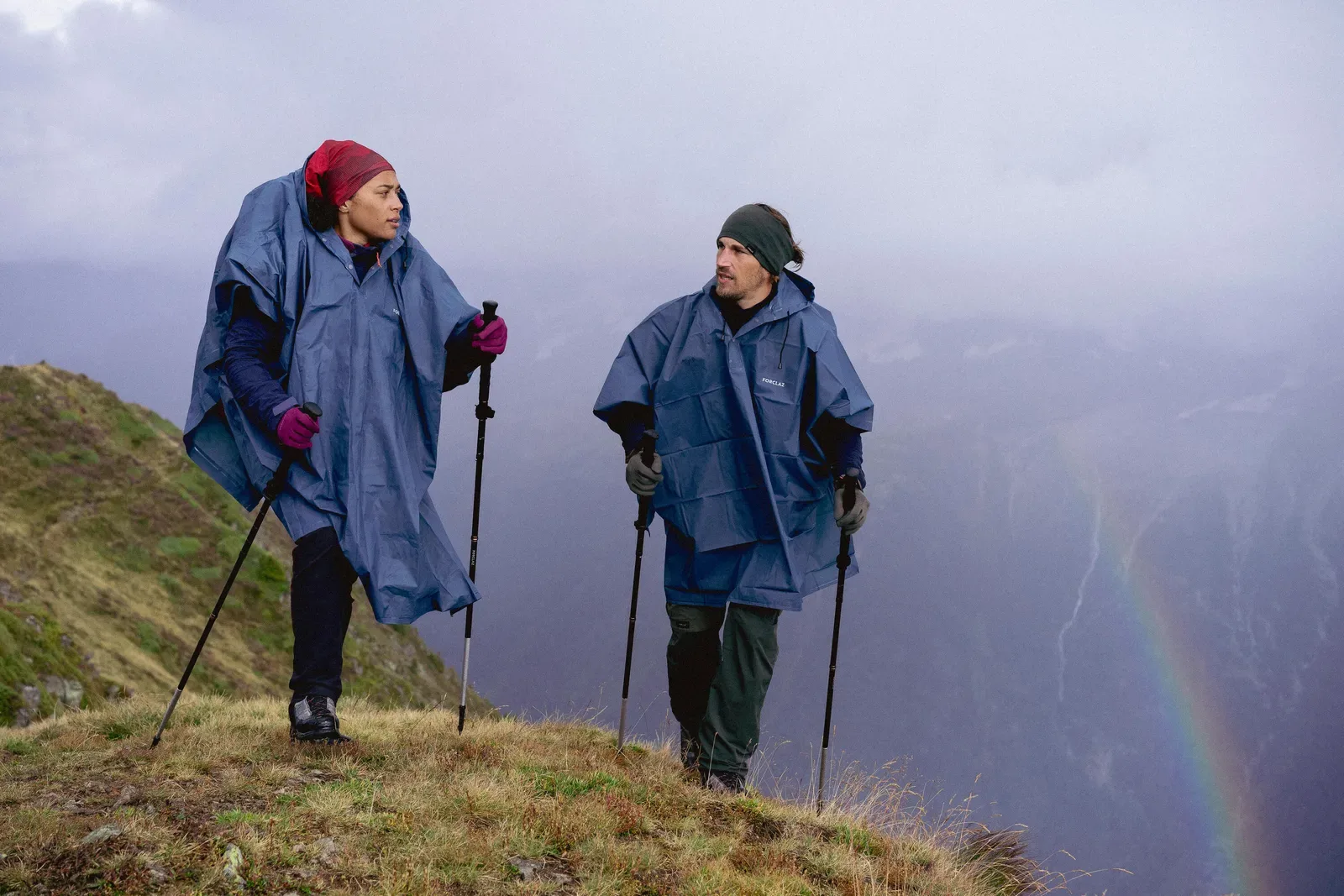
Two hikers in rain ponchos with trekking poles on a grassy ridge, a rainbow in the valley below