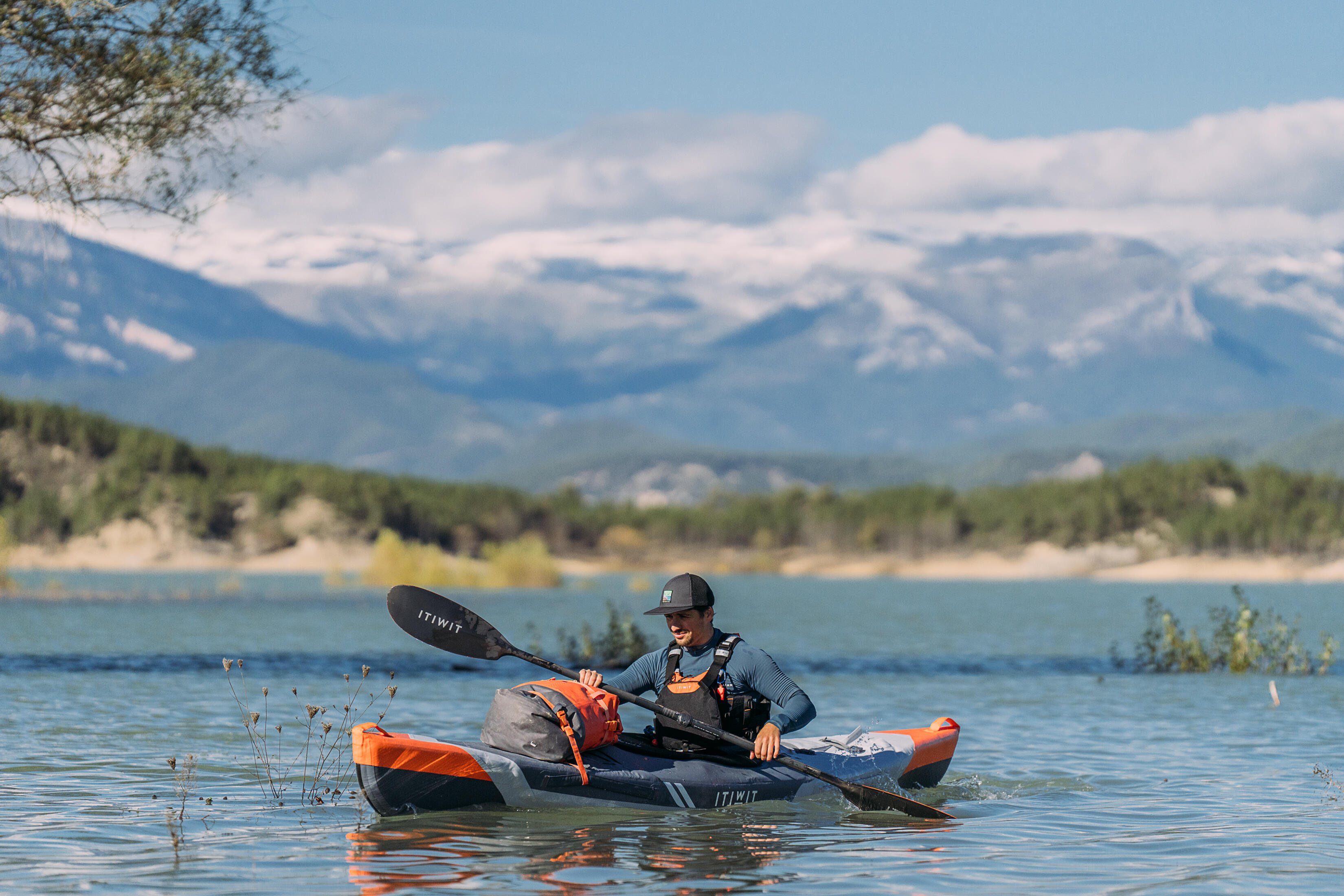
A fishing kayak opens up water a boat can't reach and lets you approach quietly enough to matter. Calm rivers, coastal shallows and out-of-the-way ground all ask for a different balance of stability and manoeuvrability. We stock inflatable and hardshell options with rod mounts, dropstitch floors and raised seats, so you can pick on where you fish rather than on what's left in stock.
A stable kayak makes it easier to cast, reel in fish and move around with confidence on the water. Wider hull designs generally offer greater stability, making them well suited to recreational anglers and fishing in calm lakes, rivers or sheltered coastal waters. The right level of stability also helps you fish more comfortably throughout the day.
Storage and Fishing Features
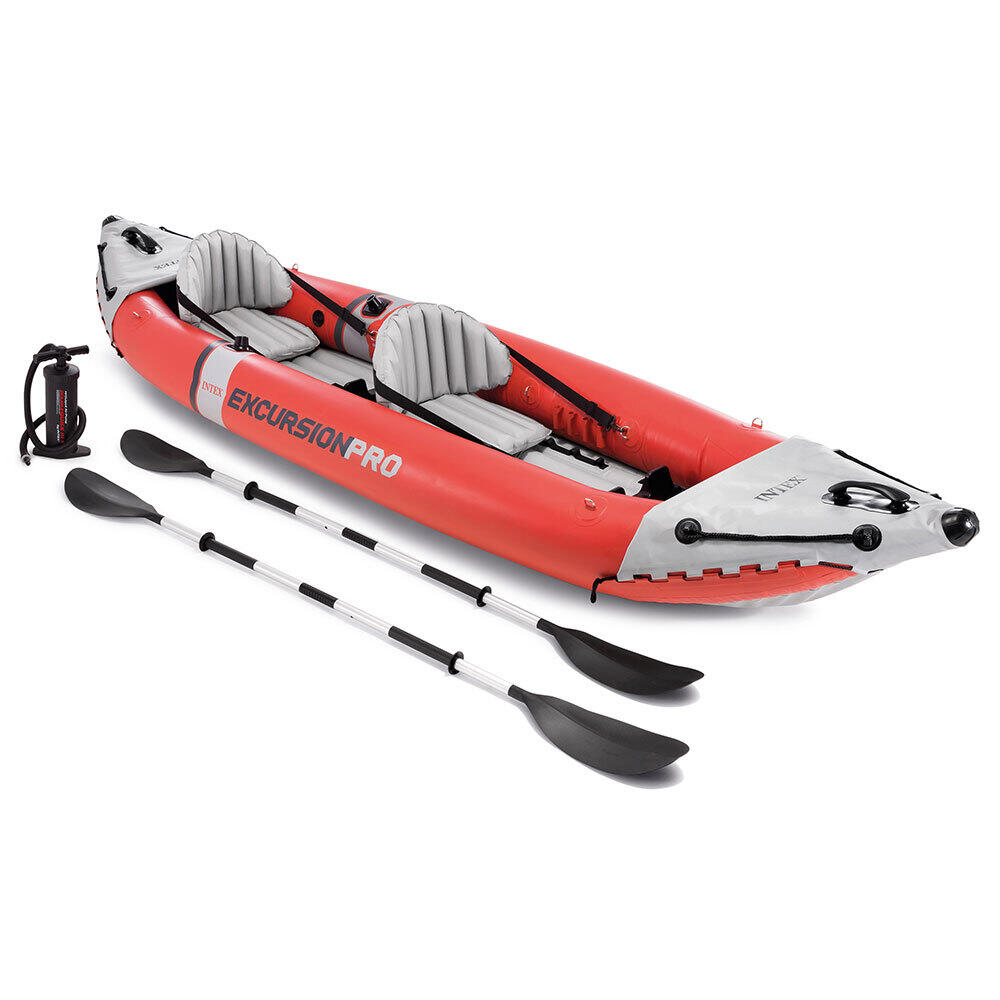
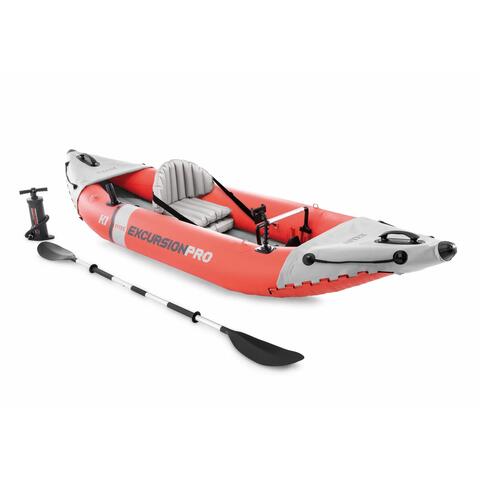
Look for somewhere to rest the rod and somewhere dry for keys and a phone. The Excursion Pro has moulded rod holders and mounting brackets built into the hull, which is the difference between fishing and paddling about with a rod. On simpler inflatables you'll want a dry bag and a clip-on holder instead. Check the load rating as well, because tackle, water and an esky add up quickly.
Comfort
Hours on the water are hard on your back, so the seat matters more than anything else on the boat. Inflatables use a padded seat that clips to the floor rather than a moulded cockpit, and a dropstitch floor helps a lot by giving you something firm to brace against. Check you can sit with your legs reasonably straight before committing to a long session.
Portability
Consider how you'll transport and launch your kayak before choosing a model. Lightweight designs are easier to carry, transport and load onto your vehicle, while inflatable or compact options simplify storage when space is limited. Selecting a kayak that suits your transport and storage needs makes every fishing trip more convenient.
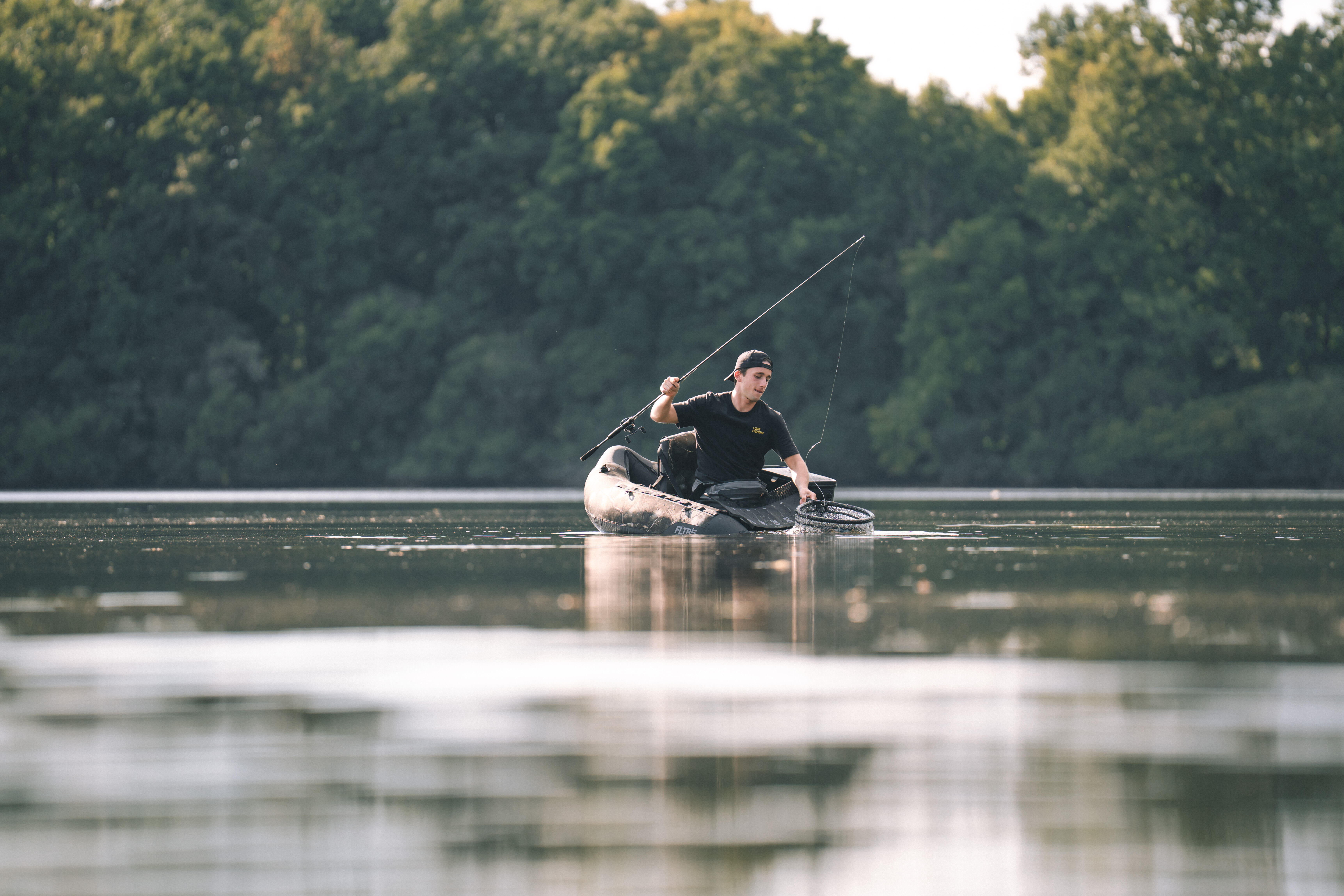
First-Time Fishers. Choose a stable, easy-to-paddle fishing kayak that's comfortable to handle and has enough storage for the essentials. These models are ideal for relaxed fishing on lakes, rivers and sheltered waterways.
Weekend Anglers. If you fish regularly, look for a kayak with extra storage, rod holders and comfortable seating for longer sessions. These features help keep your gear organised and within easy reach on the water.
Dedicated Fishers. Frequent anglers can benefit from larger fishing kayaks with higher weight capacities, pedal-drive options and advanced storage systems. These models are designed for carrying more gear and tackling longer days on the water.
Caring for fishing kayaks
Rinse the hull and storage compartments with fresh water after every trip to remove salt and debris. Dry completely before storing, paying particular attention to drain plugs and hatches where moisture collects. Inspect the hull for cracks around attachment points for rod holders and seats. Store your kayak on a suitable rack or support to help prevent warping during storage. Check that all caps and seals are tight.
Fishing kayaks by type
Type
Best for
Inflatable fishing kayaks
Rod holders and mounts built into the hull.
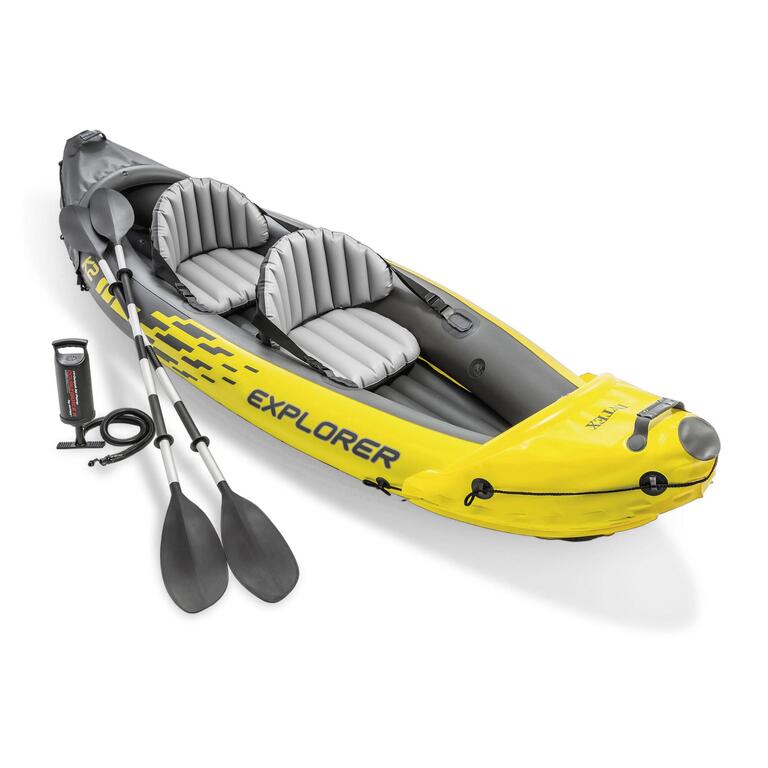
Fishing with a partner or a child on calm water.
Two-person inflatable kayaks
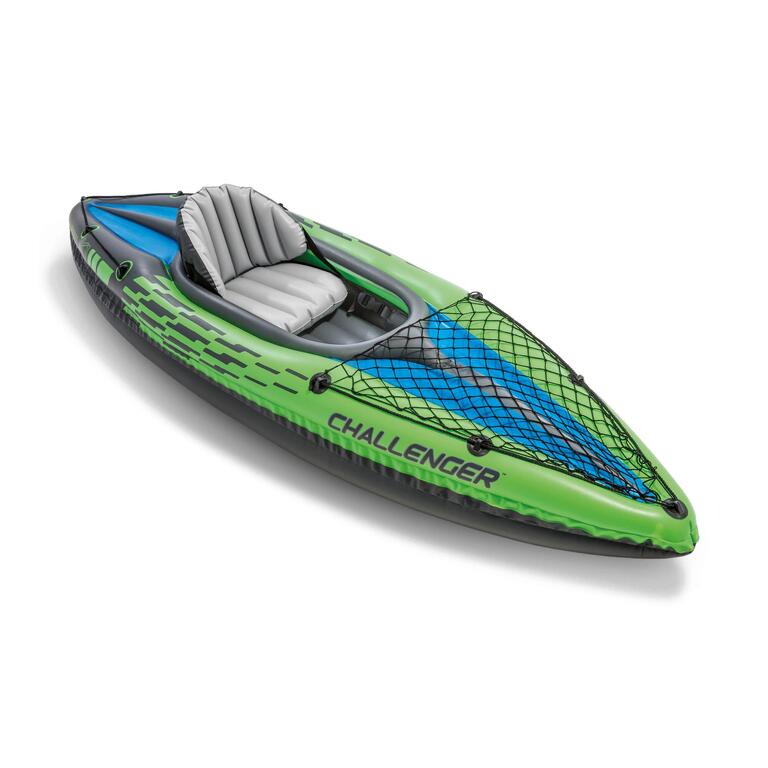
Paddling solo with the option to take someone along.
Should I choose a sit-on-top or sit-inside fishing kayak?
Sit-on-top, for fishing. You can move around, reach gear behind you and climb back on if you go over, none of which is easy in a sit-inside. That's why every fishing kayak we stock is a sit-on-top or an open inflatable. Sit-inside hulls keep you drier and hold a line better in wind, which matters more for touring than for fishing.
Can I use a fishing kayak in saltwater?
Yes, but choose one designed for saltwater. Look for sealed storage compartments, corrosion-resistant hardware and drainage holes. Rinse thoroughly with fresh water after every saltwater trip to prevent salt damage and extend the kayak's lifespan.
How does kayak length affect fishing performance?
How do I transport a fishing kayak?
What's the difference between inflatable and hard-shell fishing kayaks?
Longer hulls track straighter and carry speed, which helps if you're paddling a few kilometres to a spot. Shorter hulls turn faster and suit tight water like creeks and mangroves. The inflatables we stock sit in the 3 to 4 metre range, which is the middle ground: easy to turn, stable enough to cast from, and short enough to handle on your own.
Roof racks or trailers work best for regular transport. For occasional trips, a kayak cart helps move it from your car to the water. Lighter kayaks are easier to hand-carry but may sacrifice stability and capacity. Consider your vehicle type and how often you fish.
Hard-shells are quicker over distance and shrug off rocks and oyster racks better. Inflatables pack into a bag, fit in a car boot and cost less, which is why we stock them: most people are limited by storage and transport rather than by hull speed. Dropstitch floors have closed much of the rigidity gap. If you launch off sharp ground regularly, go hard-shell.
Find Your Next Fishing Kayak
The right fishing kayak balances stability, storage and portability for the way you fish, whether that's calm lakes, rivers or coastal waters. Getting this balance right makes every trip more comfortable and productive. Explore our fishing kayak range to find a model built for your next trip on the water.
 All SportsMenWomenKidsAccessoriesEquipment and LeisureHealth & NutritionBest DealsNew ArrivalsMarketplace

 Hiking & Trekking
 Swimming
 Cycling
 Fitness (Yoga/Pilates)
 Camping
 Running