Open water students
Owning your mask, fins and boots makes training more comfortable, because they fit you every time.
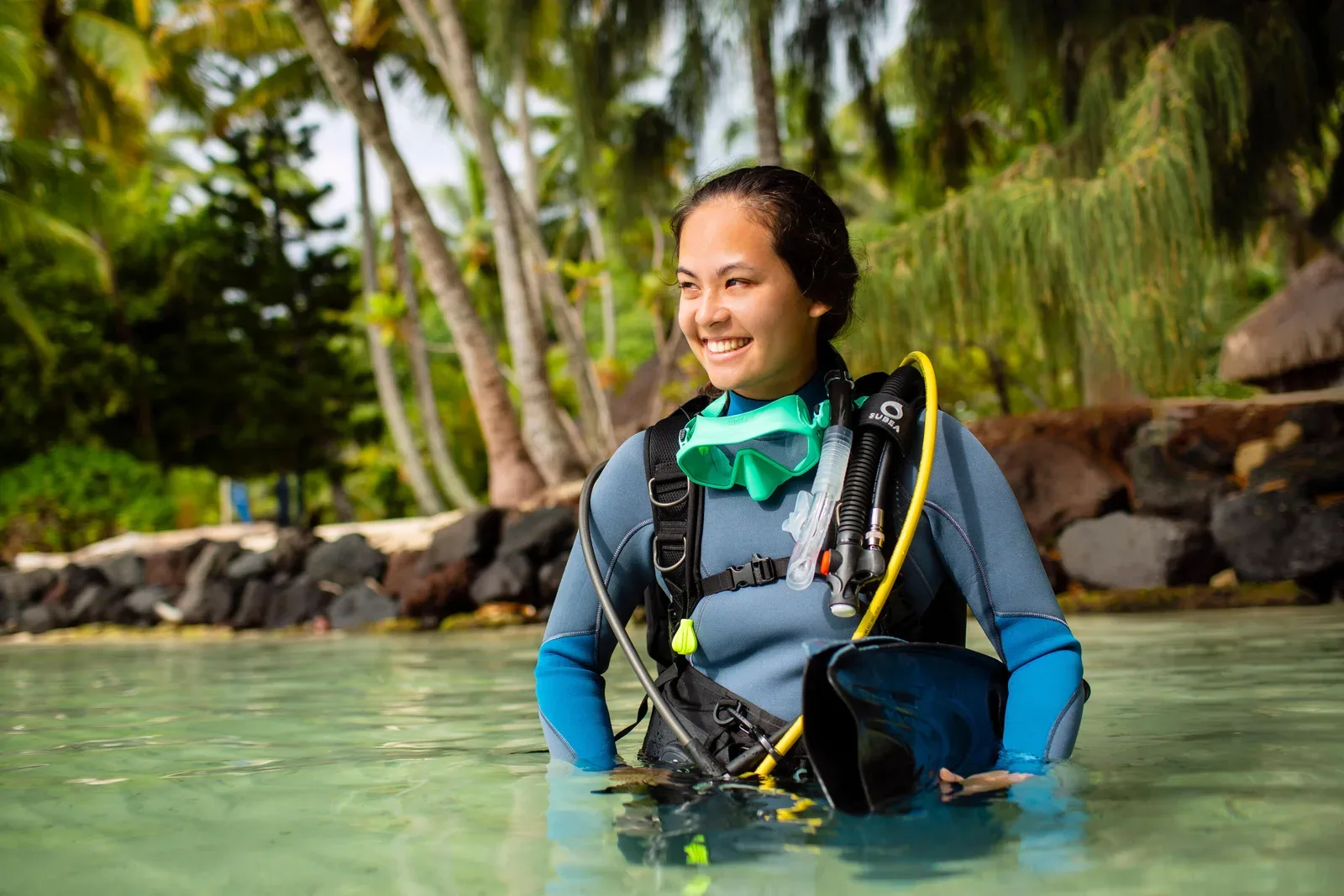
Most beginners hire the heavy kit and buy the personal pieces that need to fit well. We would start with a mask, fins and boots you trust, then add warmth and extras as your diving grows.
The personal kit we would buy first, in the order we would buy it.
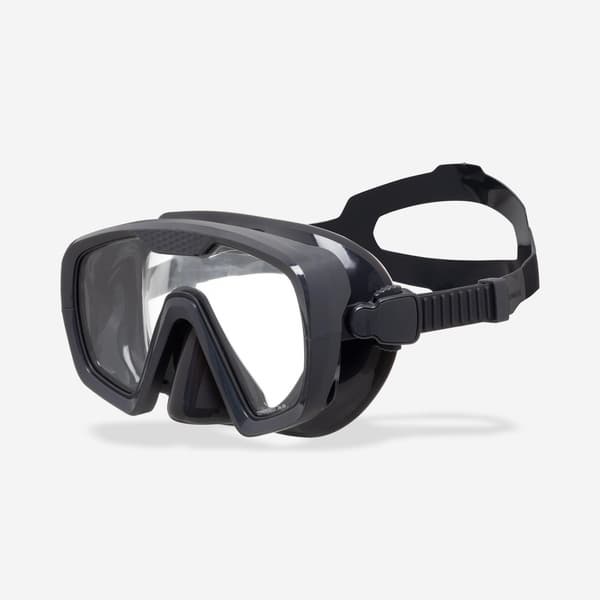
Diving masks for adults and kids, plus spare straps.
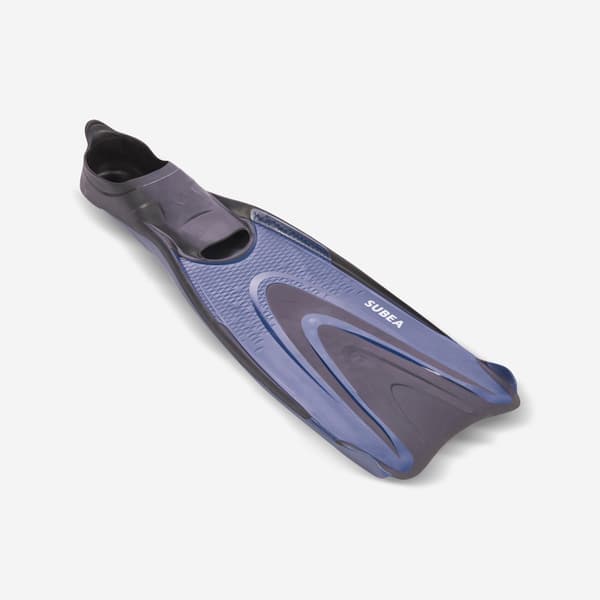
Fins for all ages, alongside snorkels and mask sets.
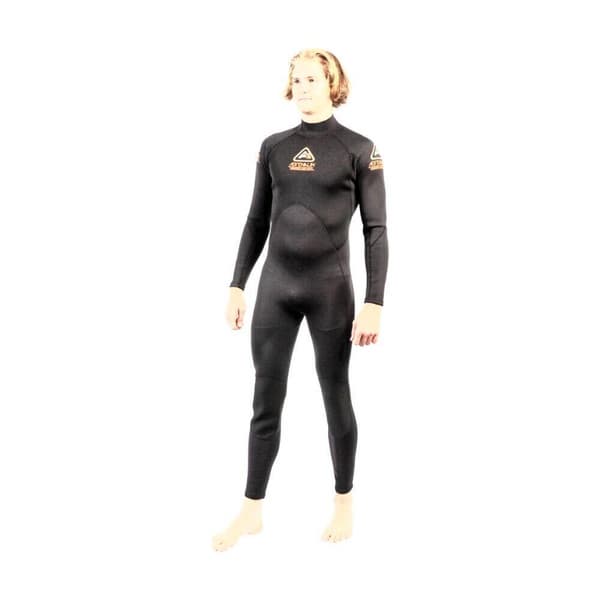
Dive suits, undersuits, neoprene tops and warm socks.
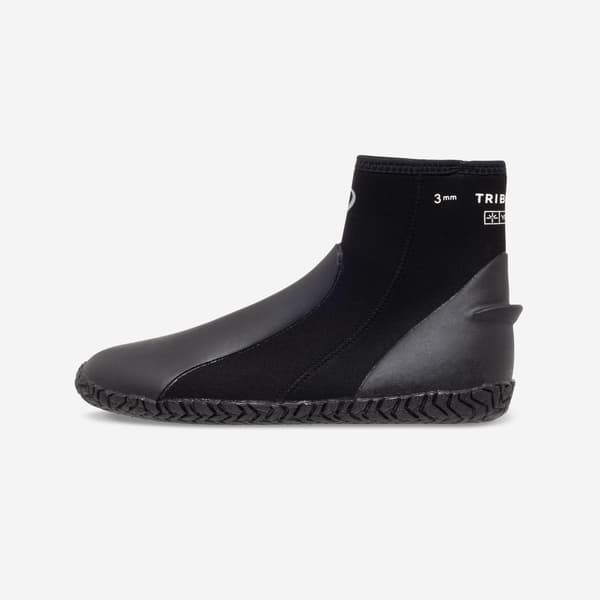
Neoprene booties and fin socks for warmth and comfort.
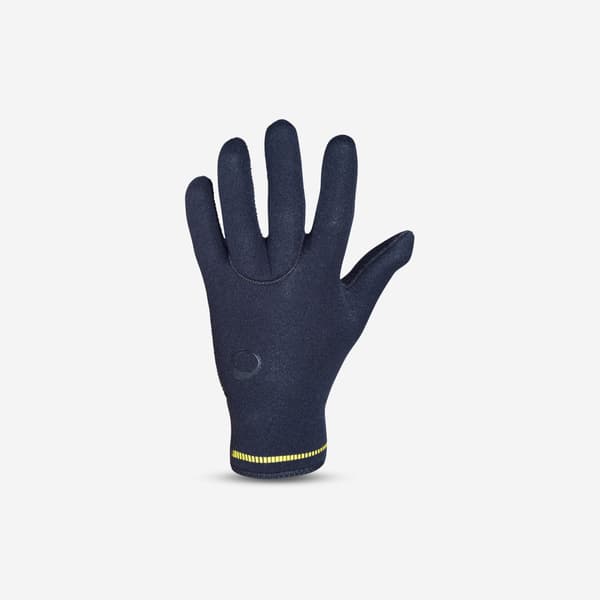
Neoprene diving gloves, plus a couple of thermal tops.
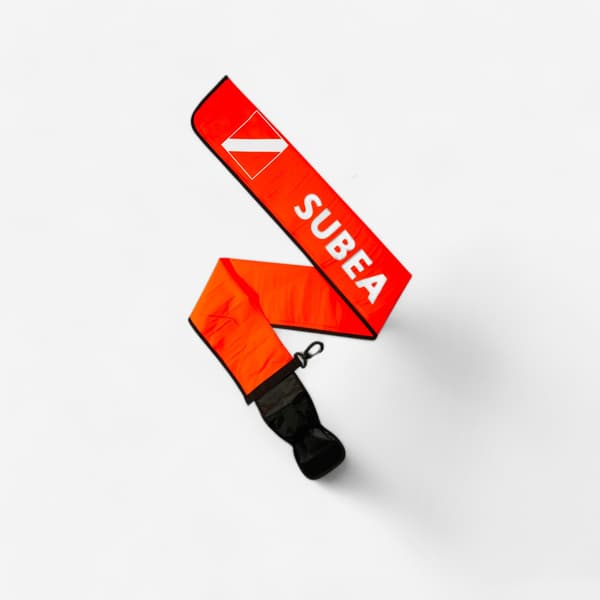
Weight belts, dive computers, knives and marker buoys.
Hold the mask to your face without the strap and breathe in gently through your nose. If it stays put, the skirt suits your face shape. A good seal matters more than any other feature.
Full-foot fins go on bare feet or thin socks, while open-heel fins are worn with boots. Try them as a pair so the fit is snug without pinching.
Water feels colder the longer you stay in it. Ask your dive school what suit thickness locals use for the season, and add socks, gloves or a top if you feel the cold.
Most beginners hire the tank, regulator and buoyancy jacket from their dive centre. These need servicing and expert fitting, so leave them until you dive often and have advice from an instructor.
Owning your mask, fins and boots makes training more comfortable, because they fit you every time.
Personal kit packs into a suitcase, so you can hire the rest wherever you dive.
If you already snorkel, a good mask and fins carry straight over to your first dives.
| Item | Why it matters | Tip |
|---|---|---|
| Mask | Clear vision and a comfortable seal | Test the seal before you buy |
| Fins | Move further with less effort | Pair them with your boots or socks |
| Snorkel | Breathe easily at the surface | Clip it to your mask strap |
| Wetsuit | Keeps you warm through the dive | Ask locals what thickness they wear |
| Boots or fin socks | Stop rubbing and keep feet warm | Wear them when you try on fins |
| Gloves | Add warmth and protect your hands | Check local rules on gloves first |
| Marker buoy | Shows boats where you surface | Learn to deploy it with an instructor |
Start with the personal pieces: a mask, fins and boots or fin socks, plus a snorkel. They need to fit you well, and comfort makes a big difference while you learn. Add a wetsuit once you know the water you will dive in most often.
Most beginners hire the tank, regulator, buoyancy jacket and weights from their dive school. That equipment needs regular servicing and careful fitting, and your instructor will set it up with you. Buying your own makes more sense once you dive regularly and know what you like.
Yes. Always learn with an accredited dive school, and never scuba dive without proper training and certification. A course teaches you breathing, equalising, buoyancy and what to do if something goes wrong. If you have a health condition, your dive school will usually ask you to complete a medical questionnaire and may ask for a doctor's clearance.
The skirt should sit evenly around your face with no gaps, and the nose pocket should let you pinch your nose to equalise. Press it to your face and breathe in gently through your nose; a good fit stays in place without the strap. If you have facial hair, a little extra care with the seal helps.
Not straight away. During training your instructor plans the dives, and many dive centres can hire you a computer. Once you start diving more often, a computer is a sensible upgrade, and your instructor can help you learn how to read it.
Book a course with an accredited dive school and bring kit that fits you. When you are ready to explore more, our water sports range is here.
Free delivery on orders over $150. Members get our lifetime warranty.