Families with little ones
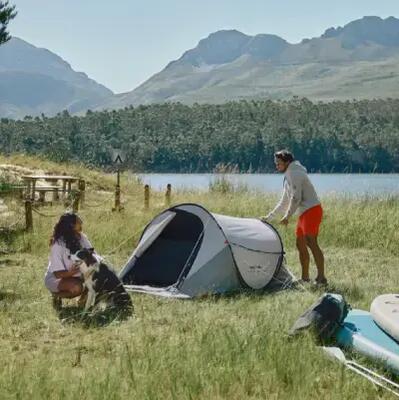
A pop-up tent with a floor and canopy gives babies and toddlers a contained spot for naps out of the sun.
A good beach shelter gives you proper shade for hours, not minutes. We'll help you compare pop-up tents, cabanas and open canopies by UPF rating, size and how they handle the wind.
Options from our beach shelter range, plus a parasol for lighter days.
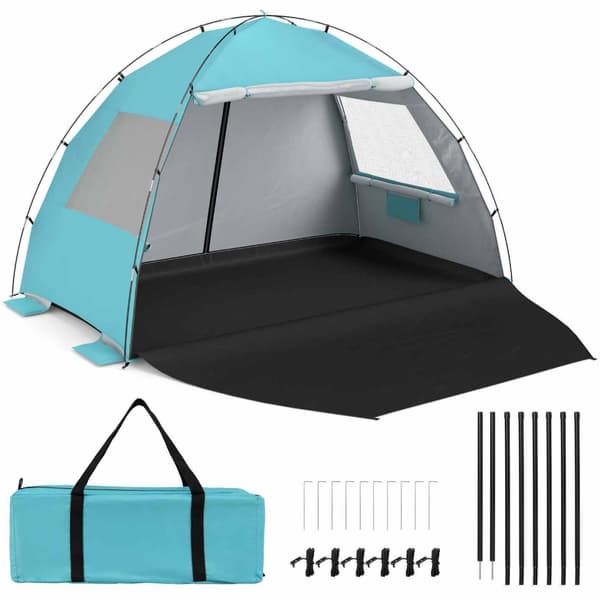
Pop-up tents with UPF50+ fabric that open in moments.
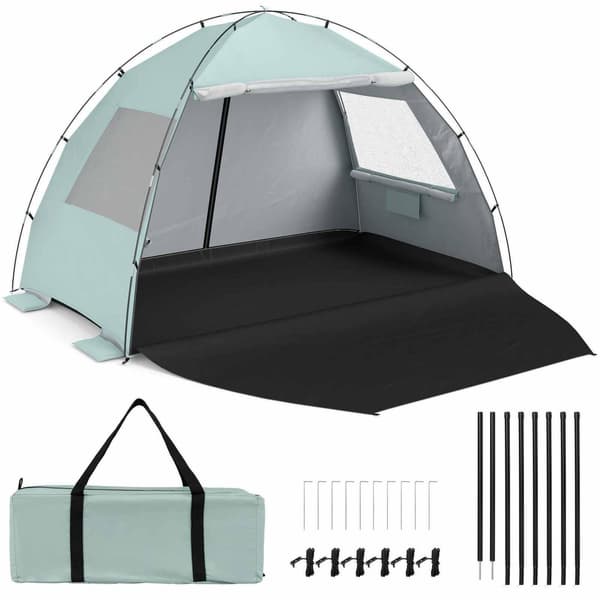
Larger pop-up tents with an extended front canopy.
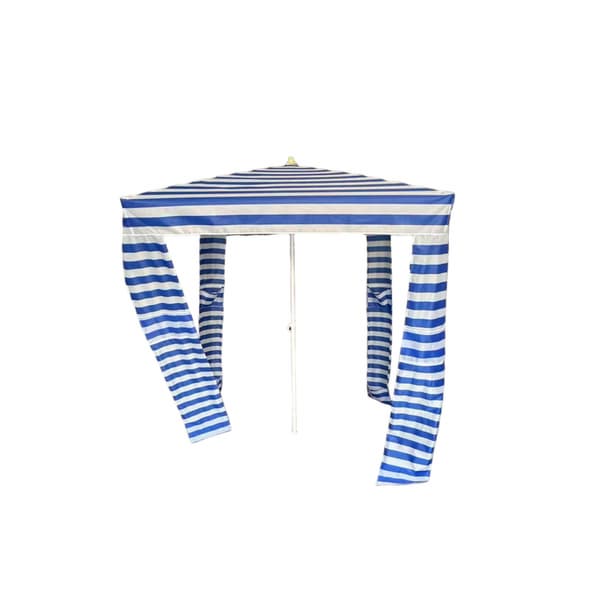
Open-sided cabanas that let the sea breeze through.
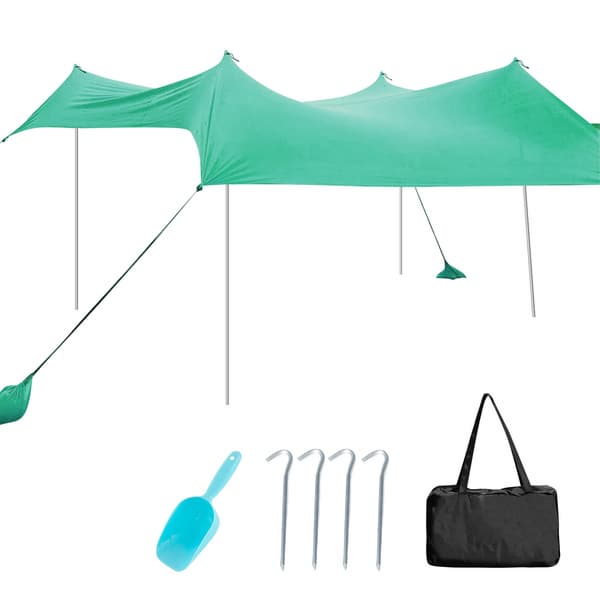
Stretch canopies anchored with sandbags for wide shade.
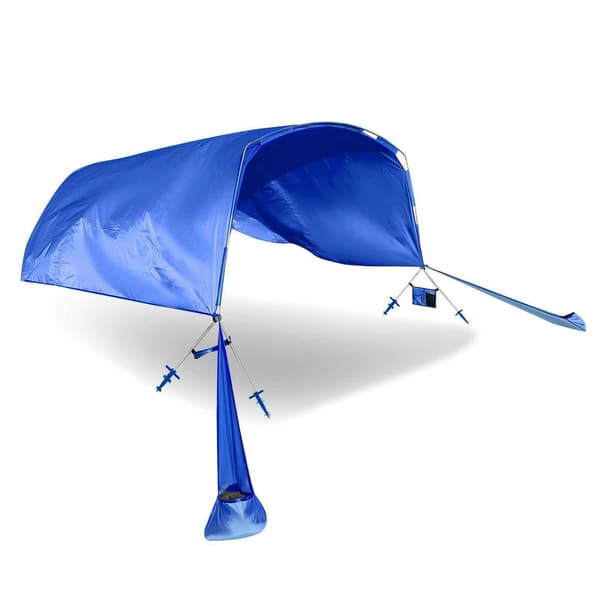
Large shelters that shade a whole group at once.

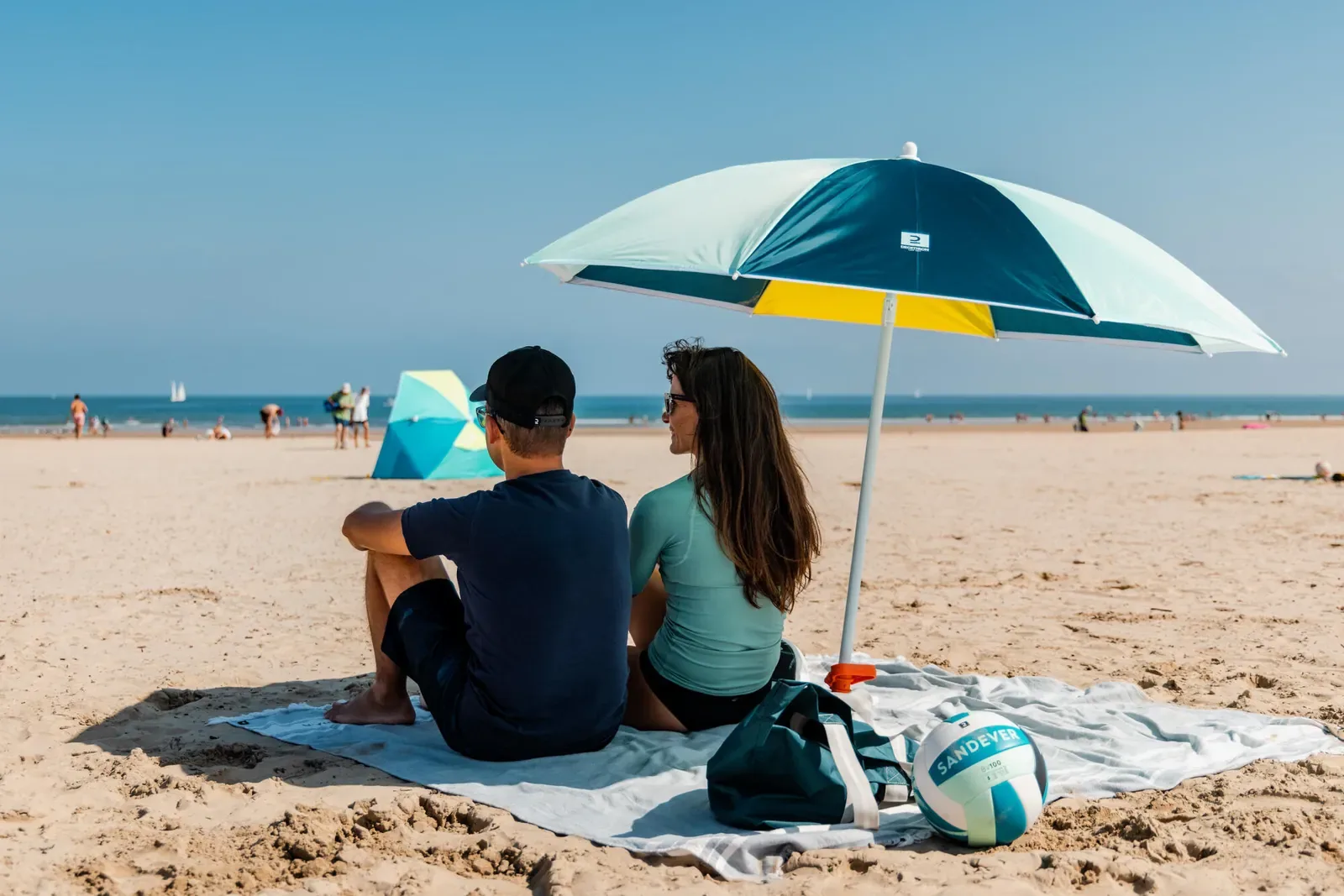
Options include UPF50+ parasols for quick, light shade.
UPF tells you how much UV the fabric blocks, and UPF50+ is the top rating. Shade still isn't complete protection, because UV reflects off sand and water. Keep using sunscreen, hats and shirts underneath.
Check how many people a shelter is designed for and whether it has a floor or a front canopy. A little extra room lets everyone stay in the shade as the sun moves across the sky.
Coastal wind is the real test. Look for sandbags, pegs and guy lines, and set the low or closed side into the wind. If gusts pick up, take the shelter down.
Pop-up shelters open fast but fold into a wide, flat disc. Pole and cabana designs pack longer and narrower. Think about the walk from the car park to the sand.
A pop-up tent with a floor and canopy gives babies and toddlers a contained spot for naps out of the sun.
A large shelter or a wide sunshade canopy keeps everyone together in one patch of shade.
A cabana or a UPF50+ parasol is light to carry and quick to set up for a few hours.
| Shelter type | Best for | Watch out for |
|---|---|---|
| Pop-up beach tent | Fast set-up and a contained spot for kids | Folds into a wide disc that can be awkward to carry |
| Family-size pop-up with canopy | Bigger groups who want extra shade out front | Needs firm anchoring in a sea breeze |
| Cabana shelter | Airflow on hot, still days | Open sides give less cover from low sun |
| Sunshade canopy | Wide, open shade held down with sandbags | Takes a few minutes to tension properly |
| Beach parasol | Light, quick shade for one or two people | The shade moves with the sun, so adjust it often |
UPF (ultraviolet protection factor) measures how much UV gets through a fabric. A UPF50+ fabric lets through less than one fiftieth of the UV, which is the top rating. Shade still doesn't stop UV reflected off sand and water, so pair your shelter with sunscreen, a hat and covered shoulders, and check the daily UV index.
A pop-up tent gives more enclosed cover, often with a floor, which suits babies and toddlers. It can feel warm inside on still days. A cabana or open canopy lets the breeze through and feels cooler, but low morning and afternoon sun can reach in from the sides. Pick based on who needs the shade most.
Fill the sandbags or bury them, and push pegs in deep at an angle away from the shelter. Face the closed or low side into the wind and tension the guy lines. If the wind gets strong, take the shelter down rather than risk it lifting, and never leave it standing unattended.
Go by how many people will sit in the shade at once, then size up a little. The sun moves through the day, so the shaded patch shifts and shrinks. For a family of four, a shelter for three to four people works for a short trip, while a larger tent or canopy is more comfortable for a full day.
It helps a lot, but it isn't enough on its own. UV bounces off sand and water and reaches under shade, so children still need broad-spectrum sunscreen, a hat, sun-protective clothing and sunglasses. Plan the longest beach sessions outside the middle of the day where you can, and keep everyone drinking water.
Pick the style that fits your crew and your beach. Parasols, towels and UV wear are in our range too.
Free delivery on orders over $150. Members get our lifetime warranty.