Cold wind can reach your face, head and neck quickly when you're outdoors. A balaclava gives these exposed areas an extra layer of warmth and coverage, making it useful for skiing, snowboarding, cycling, commuting and other cold-weather activities. Pull one on when colder conditions call for more coverage than a beanie alone can provide.
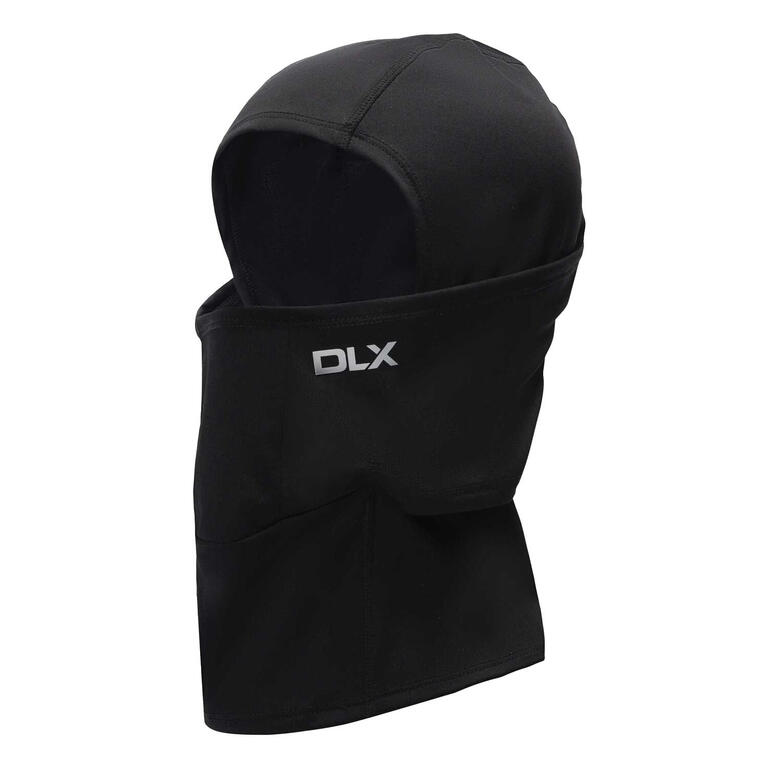
Start by considering how much of your head, face and neck you want covered, as this can make a noticeable difference in colder or more exposed conditions. Some balaclavas leave only the eye area open for broader protection, while others have a larger face opening or an adaptable design that lets you uncover the mouth or lower face. Think about your activity, the conditions you'll be facing and any other winter headgear you'll wear when choosing the right level of coverage.
Material and Warmth
The material and thickness affect how warm a balaclava feels, how well it manages moisture and how easily it layers beneath other gear. Fleece provides soft insulation for colder conditions, while lighter synthetic fabrics can feel less bulky during active pursuits. If you'll be wearing a helmet, also check that the material gives you the warmth you need without too much bulk underneath.
Fit and Stretch
A balaclava should sit close to your head and face without feeling restrictive. Stretchy materials help create a secure fit and reduce loose fabric beneath a helmet, while the face opening should stay comfortably positioned as you move. Check the sizing and stretch so you get good coverage without affecting your vision or comfort.
Wind Protection
Wind can make exposed conditions feel considerably colder, particularly when you're skiing, snowboarding or spending time on open terrain. Look for wind-resistant fabrics or protective panels around areas that face the most exposure. Greater wind protection can be useful in harsher conditions, while lighter constructions may offer more airflow.
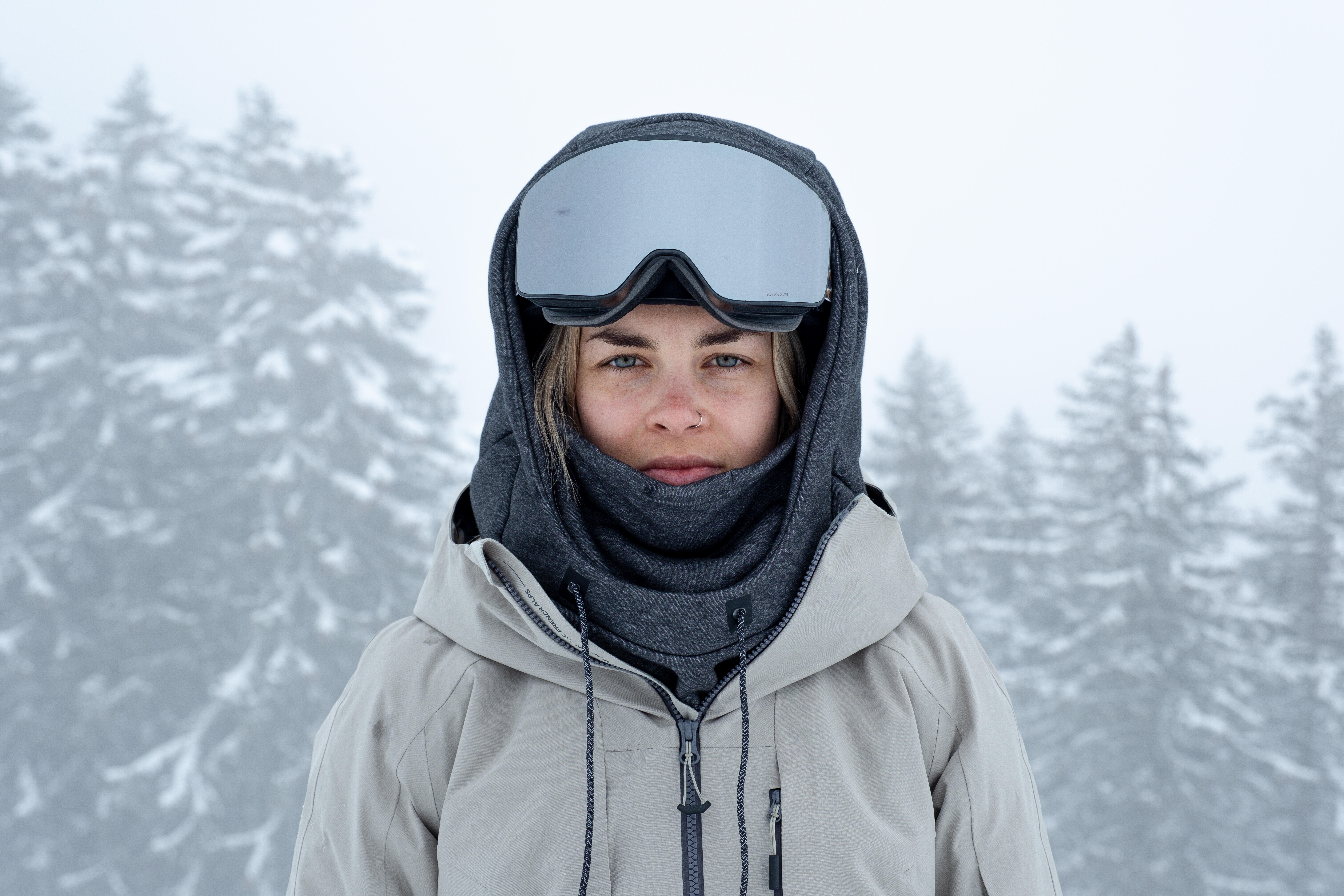
Skiers and snowboarders. You spend hours outdoors where your head, face and neck can be exposed to cold air and wind. A balaclava adds coverage around these areas while fitting easily into a layered winter setup.
Cyclists and riders. Cold air feels more noticeable once you're moving at speed. A close-fitting balaclava can cover exposed areas around your head, face and neck while sitting comfortably beneath suitable protective headgear.
People spending winter outdoors. You work, commute, hike or spend extended time outside when a beanie alone doesn't provide enough coverage. A balaclava gives you one practical layer for keeping more of your head, face and neck covered.
Keeping Your Balaclava Fresh
Air your balaclava thoroughly after wearing it, especially after active days when moisture can build up in the fabric. Follow the care label when washing, as fleece, merino and technical materials can require different treatment. Let it dry completely away from direct heat before storing it, and avoid leaving it damp inside a helmet or packed with other winter gear to help preserve its shape and fabric.
Balaclavas by type
Type
Best for
Kids' balaclavas
Cold-weather outings, snow play and winter activities for younger wearers.
Everyday cold-weather use when softness and warmth are the main priorities.
Fleece balaclavas
Cycling, riding and exposed conditions where protection from cold wind matters.
Windproof balaclavas
Colder conditions where you want more coverage across the head, face and neck.
What's the difference between a balaclava and a ski mask?
The terms are often used interchangeably, and some products can fit both descriptions. Balaclavas are commonly used across a wider range of cold-weather activities, while ski masks are often associated with snow sports. Focus on the coverage, material and fit you need rather than the name alone.
Can I wear a balaclava under a helmet?
Yes, provided it doesn't affect the helmet's fit or position. A slim, close-fitting balaclava is generally easier to layer beneath cycling, motorbike or snow-sport helmets than a bulky style. Always check that your helmet remains secure once the balaclava is on.
Should a balaclava cover my mouth and nose?
Is a balaclava useful for working outdoors in winter?
Do kids need a different balaclava to adults?
That depends on the design and the conditions. Full-face styles can cover the mouth and nose for greater protection from cold air, while adjustable designs let you uncover the lower face when you want more airflow or easier breathing.
Yes. A balaclava can provide extra coverage for outdoor work where your head, ears, neck or face are exposed to cold air for extended periods. Consider the conditions and how active you'll be when deciding how much warmth and coverage you need.
Kids should wear a balaclava that fits their head properly rather than relying on an adult-sized style. It should sit securely without slipping over the eyes, bunching around the face or feeling restrictive as they move.
More Ways to Face the Cold
A balaclava isn't limited to days on the slopes. It can become a useful part of your winter setup for riding, cycling, commuting, outdoor work or simply spending more time outside when temperatures drop. Whatever takes you into the cold, having one layer that covers your head, face and neck makes getting ready a bit simpler.
 All SportsMenWomenKidsAccessoriesEquipment and LeisureHealth & NutritionBest DealsNew ArrivalsMarketplace



 Hiking & Trekking
 Swimming
 Cycling
 Fitness (Yoga/Pilates)
 Camping
 Running
