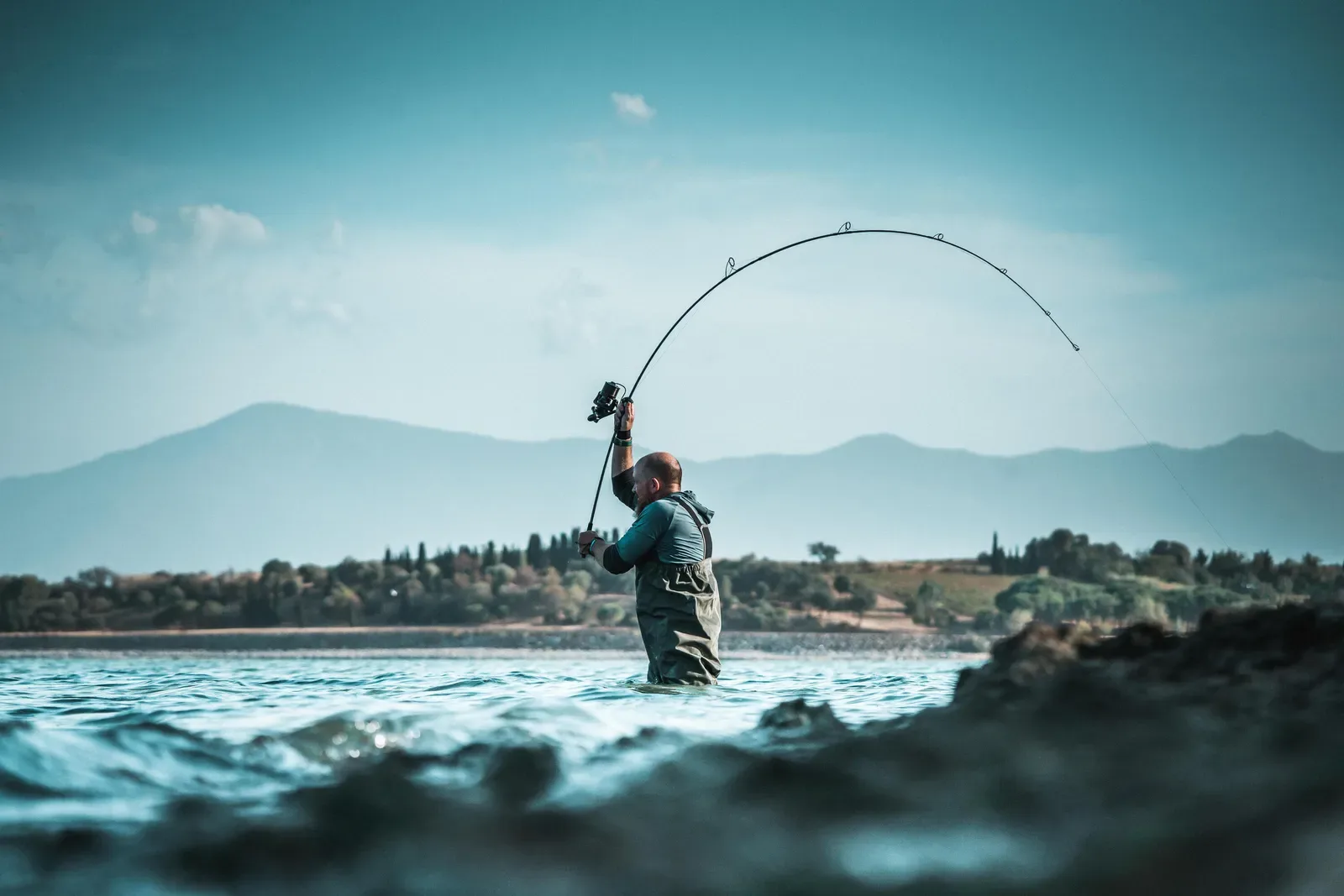
Lure anglers chasing accuracy
If you cast at snags, mangroves or structure, a baitcaster lets you thumb the spool and land the lure exactly where you want it.
A baitcaster reel gives you accurate casts, strong cranking power and a direct feel for heavier lures. Here is how we pick one, what to set up first and how to avoid the dreaded bird's nest.
Our baitcasters first, then the rod and lures that finish the kit.
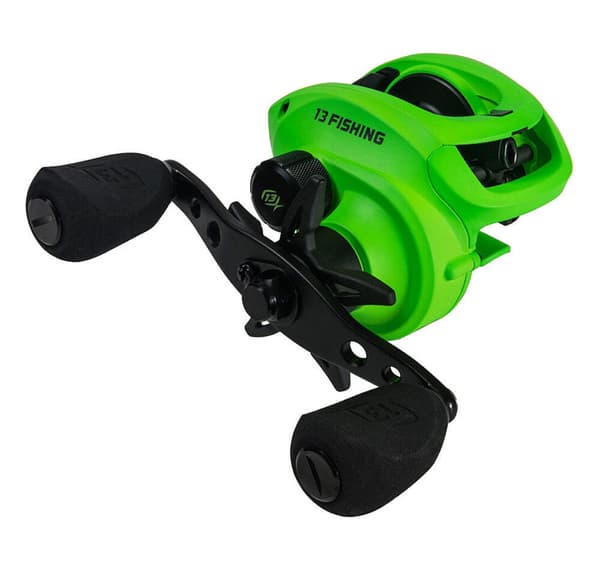
Low-profile baitcasters that sit snugly in your palm.
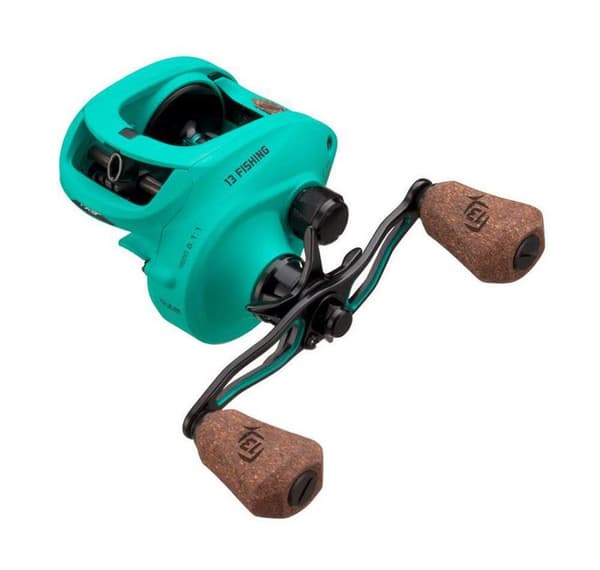
Right-hand retrieve options, named clearly on each model.
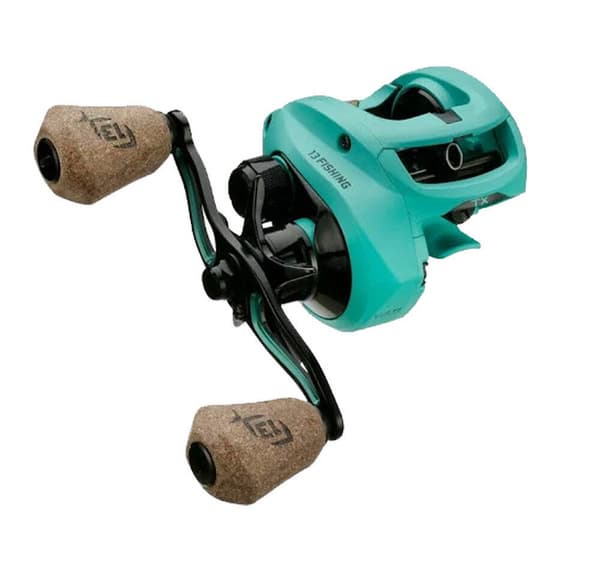
Includes corrosion-resistant builds for saltwater lure fishing.
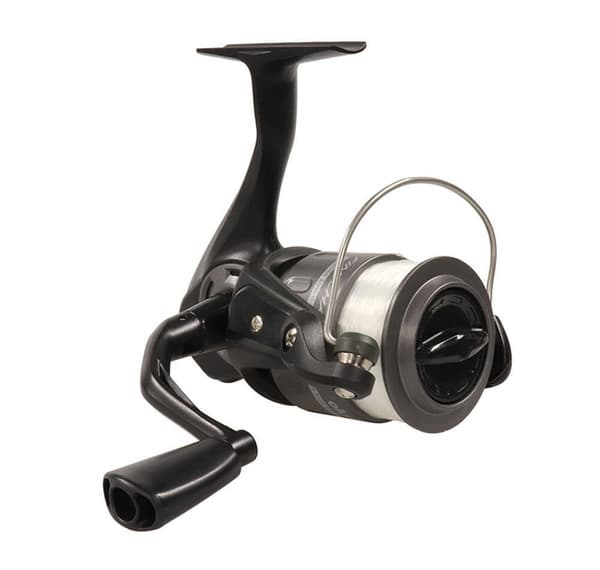
Baitcasters sit alongside spin and surf reels here.
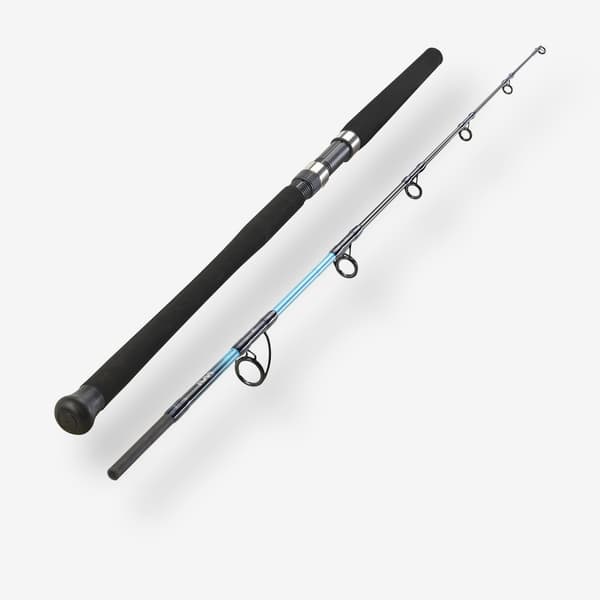
Rods and matched combos for lure and bait fishing.
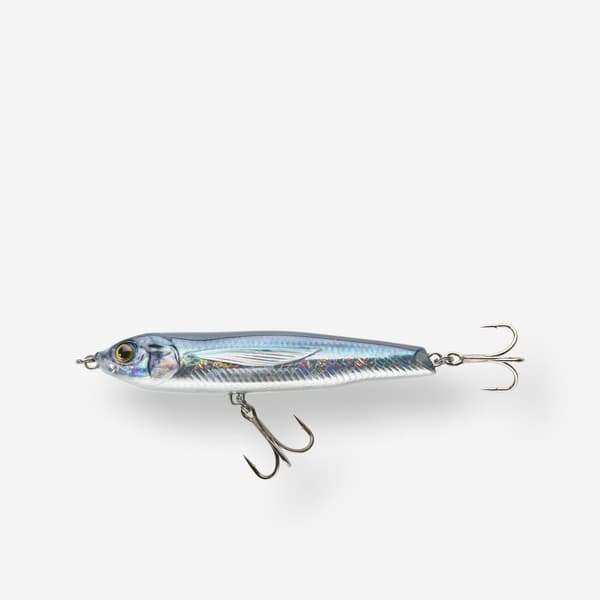
Crankbaits, jigs and soft plastics to cast all day.
Low-profile baitcasters are compact and sit comfortably in the palm, which suits casting lures all day. Round baitcasters usually hold more line and suit heavier work such as trolling or bottom fishing. For most lure fishing in estuaries and rivers, low profile is the easier place to start.
The braking system slows the spool during a cast so it does not overrun the line. Most baitcasters pair a brake (magnetic, centrifugal or both) with a spool tension knob. Adjustable brakes make learning much easier, because you can start high and ease off as your thumb improves.
Gear ratio tells you how many times the spool turns per turn of the handle. A higher ratio picks up line quickly for fast lures and slack line, while a lower ratio gives more cranking power for deep-diving lures. A middle ratio is a sensible all-rounder if you are unsure.
Check the maximum drag and how much line the spool holds at the breaking strain you plan to use. Match both to your target fish and your rod's rating. More drag is not always better if your rod and line cannot take it.
If you cast at snags, mangroves or structure, a baitcaster lets you thumb the spool and land the lure exactly where you want it.
Baitcasters handle heavier braid and leader comfortably and wind with more power under load than many spin reels of a similar size.
Tiny lures and very light line are easier on a spin reel. If most of your fishing is finesse work, start there and add a baitcaster later.
| Option | Best for | Watch out for |
|---|---|---|
| Low-profile baitcaster | Casting lures accurately around structure | Needs a casting rod and a little practice |
| Round baitcaster | Heavier line, bigger fish, more line capacity | Bulkier in the hand for all-day casting |
| Spin reel | Light lures, beginners, windy days | Less precise with heavier lures |
| Overhead reel | Boat fishing, bottom bouncing, heavy drag | Not designed for repeated casting |
| Braid with a fluorocarbon leader | Sensitivity and abrasion resistance together | Learn a reliable leader knot before you go |
| Casting rod | Guides on top to match a baitcaster | A spin rod is not a good match |
They take a little more practice than a spin reel, mostly because the spool can overrun and tangle the line (a backlash or bird's nest). Start with the brakes and spool tension set high, use a lure of moderate weight and gently thumb the spool as the lure lands. Most people get comfortable after a few short sessions in the backyard or at a park.
It is not a good match. A baitcaster sits on top of the rod, so it needs a casting rod with guides on the upper side and usually a trigger grip. On a spin rod the line rubs against the blank and the guides sit in the wrong place, which hurts casting and can damage the line.
Many anglers cast with their stronger hand and prefer to wind with the other, so they do not need to swap hands after each cast. Others are happy to swap. If you already use a spin reel, think about which hand you wind with now and choose the baitcaster that feels the same.
Braid is the popular choice for lure fishing because it is thin and strong, with plenty of feel. Most anglers add a fluorocarbon or nylon leader for abrasion resistance and a lower profile in the water. Avoid very light line at first, as it digs into the spool and makes backlashes harder to clear.
Yes, many baitcasters are built for estuary and inshore saltwater fishing. Check the product description for corrosion-resistant materials, and always rinse the reel lightly in fresh water after each trip. Salt left to dry inside a reel is the most common cause of a rough, noisy retrieve.
Pair your reel with the right rod, line and lures, and spend a little time setting the brakes. Our fishing range has the rest of the kit.
Free delivery on orders over $150. Members get our lifetime warranty.