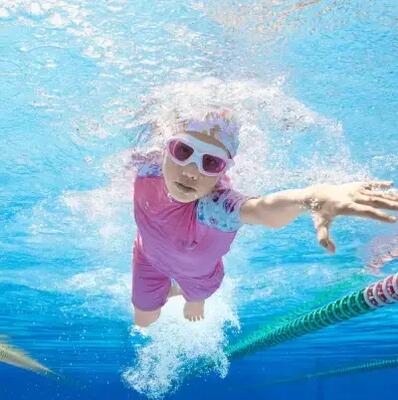
Families at the beach
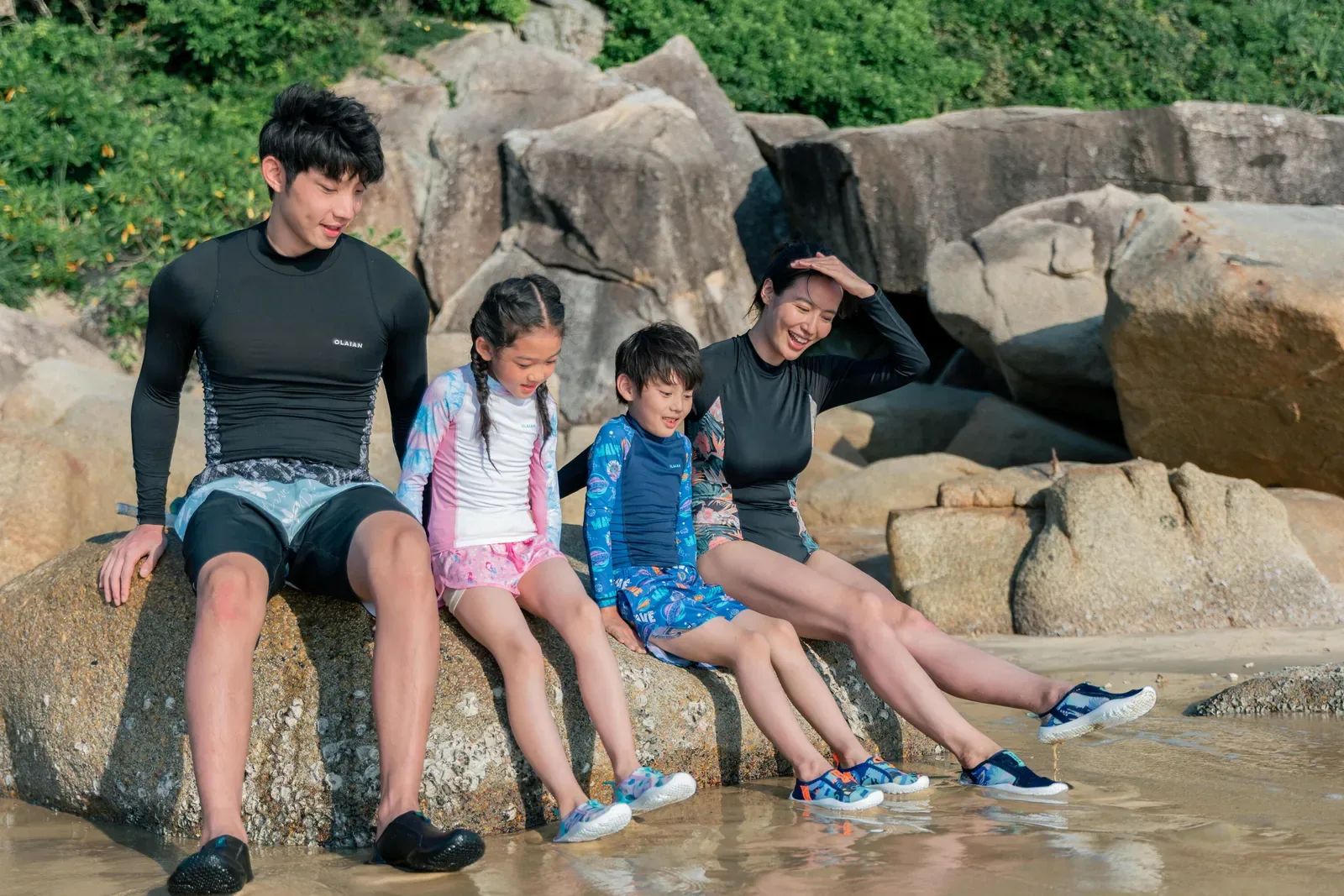
Sun cover, bright caps and buoyancy aids help, alongside an adult watching the whole time.
The safest days in the water start with a plan. Swim at patrolled beaches between the red and yellow flags, cover up from the sun and keep little ones within arm's reach. This is the gear we would pack to back that up.
Our picks for sun cover, visibility and supervised play, in the order we would pack them.
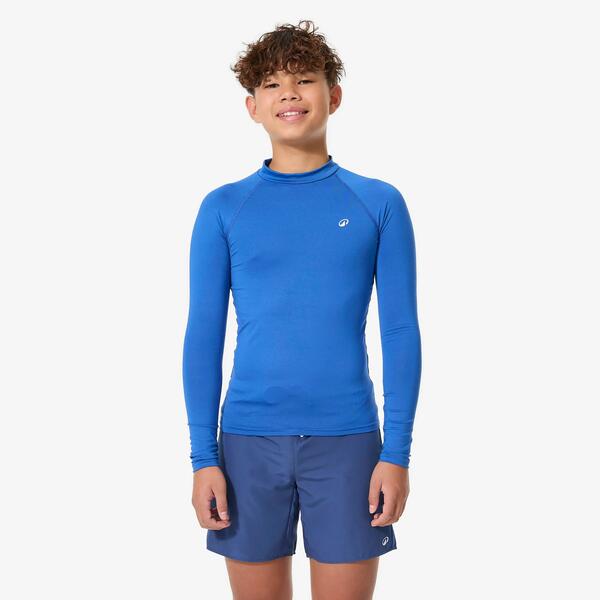
Rashies, swim tops and UV leggings for all ages.
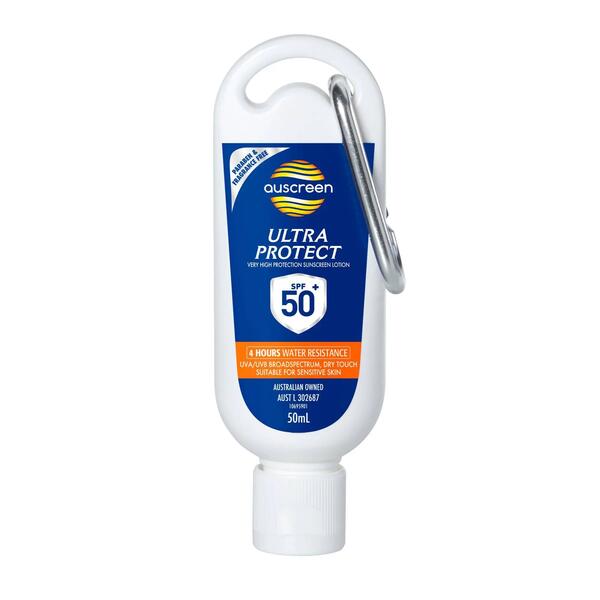
High SPF lotions and zinc for skin clothing misses.
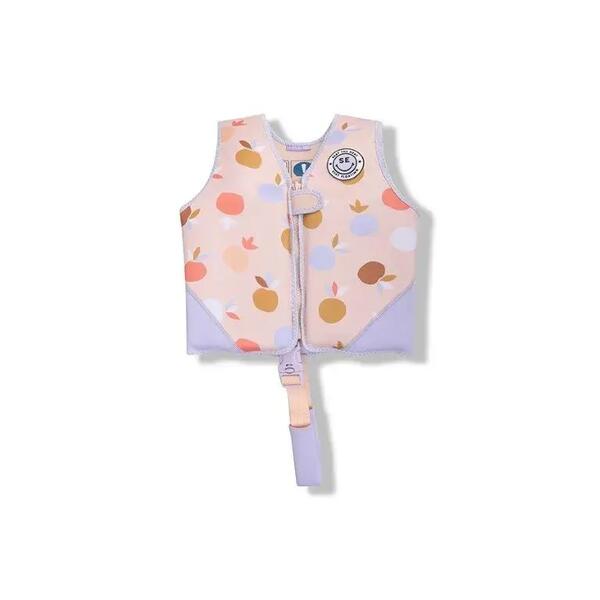
Swim vests, armbands and floats for supervised water play.
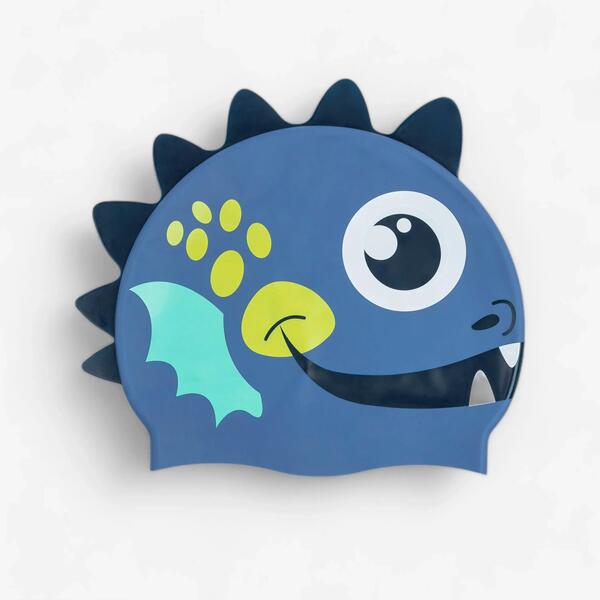
Silicone, fabric and mesh caps in plenty of colours.
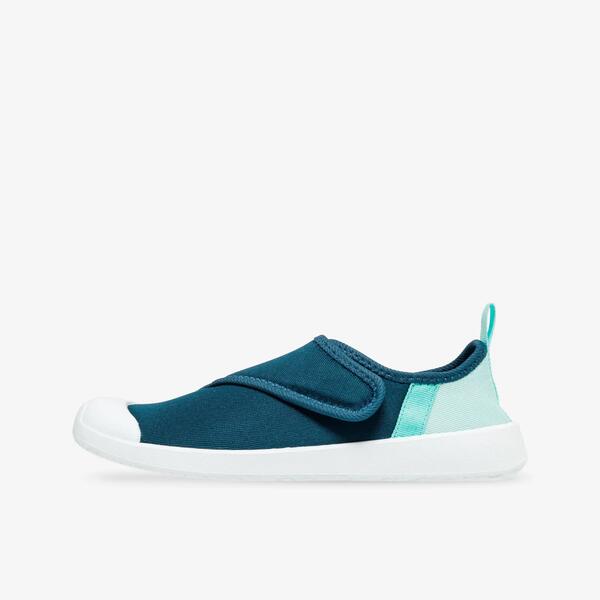
Water shoes for rock pools, hot sand and pool decks.
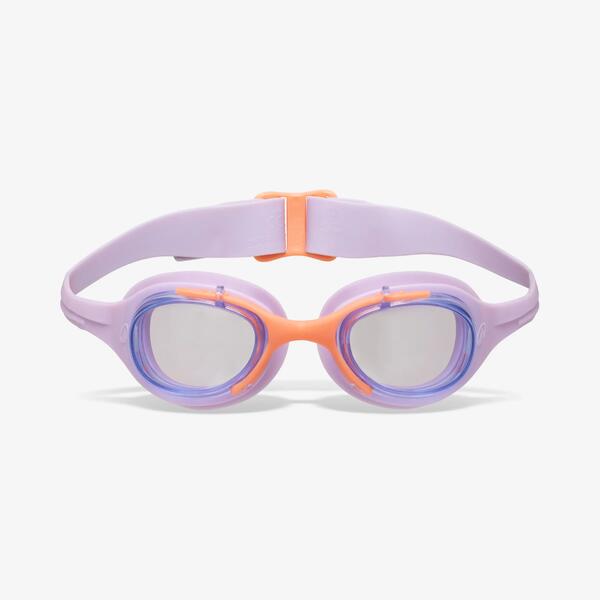
Goggles and swim masks for adults and kids.
Look for swimwear with a UPF rating and long sleeves for the most cover. Fabric protects consistently while you swim, so pair it with a hat and sunscreen for the skin it misses.
Swim vests and armbands help children float while they learn, but they are not lifejackets and never replace supervision. Stay within arm's reach of young children in and around water, every time.
Bright caps and tops are easier to spot in the water and on a busy beach. Fluoro yellow, orange and pink tend to stand out better than navy or black.
Water shoes with a grippy sole help on slippery rocks, hot sand and wet pool surrounds. Check they fit snugly so they stay on once you are in the water.
Sun cover, bright caps and buoyancy aids help, alongside an adult watching the whole time.
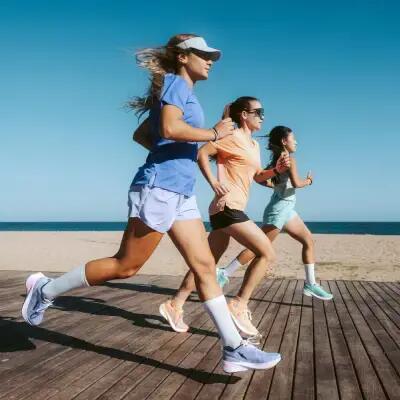
Goggles and a cap make laps more comfortable, and a rashie helps at outdoor pools.
A bright cap makes you easier to spot. Swim with a buddy and stay between the flags.
| Item | Why it matters | Tip |
|---|---|---|
| Rash vest | Covers shoulders, back and arms from the sun | Choose long sleeves for the most cover |
| Sunscreen | Protects skin that clothing misses | Apply before you go and reapply after swimming |
| Swim vest or armbands | Help young children float while learning | Use them with constant adult supervision |
| Bright swim cap | Makes swimmers easier to spot | Pick fluoro colours over dark ones |
| Water shoes | Protect feet from rocks and hot sand | Check the fit so they stay on |
| Goggles | Help swimmers see clearly underwater | Adjust the strap before getting in |
The red and yellow flags mark the part of a beach patrolled by lifesavers or lifeguards, chosen as the safest place to swim at that time. If there are no flags, the beach is not patrolled, so it is safer to find one that is. Read the safety signs when you arrive and ask a lifesaver if you are unsure about the conditions.
No. Swim vests, armbands and floats are learning aids that help children stay buoyant while they build confidence in the water. They are not designed to do the job of a lifejacket, so they should never replace close supervision. Keep young children within arm's reach whenever they are in or near water.
Yes. A rash vest covers your torso and arms, but your face, neck, hands, legs and feet are still exposed. Use a high SPF sunscreen on uncovered skin, wear a hat when you are out of the water, and reapply after swimming and towelling off, following the directions on the label.
A brightly coloured cap is easier for others to see, from a lifeguard scanning the water to a parent watching from the sand. That matters most in open water and on busy days at the pool. Fluoro yellow, orange and pink are generally easier to pick out than dark colours.
They are not essential everywhere, but they help on rock platforms, around rock pools and on sand that gets very hot in the middle of the day. A snug fit and a grippy sole make slips less likely. Many children prefer bare feet for swimming, so think of water shoes as gear for exploring rather than for every swim.
Good gear helps, and good habits matter most. When you are ready, our full swimming range is here.
Free delivery on orders over $150. Members get our lifetime warranty.