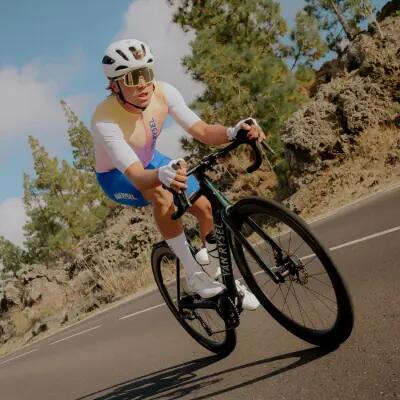
Team sport players
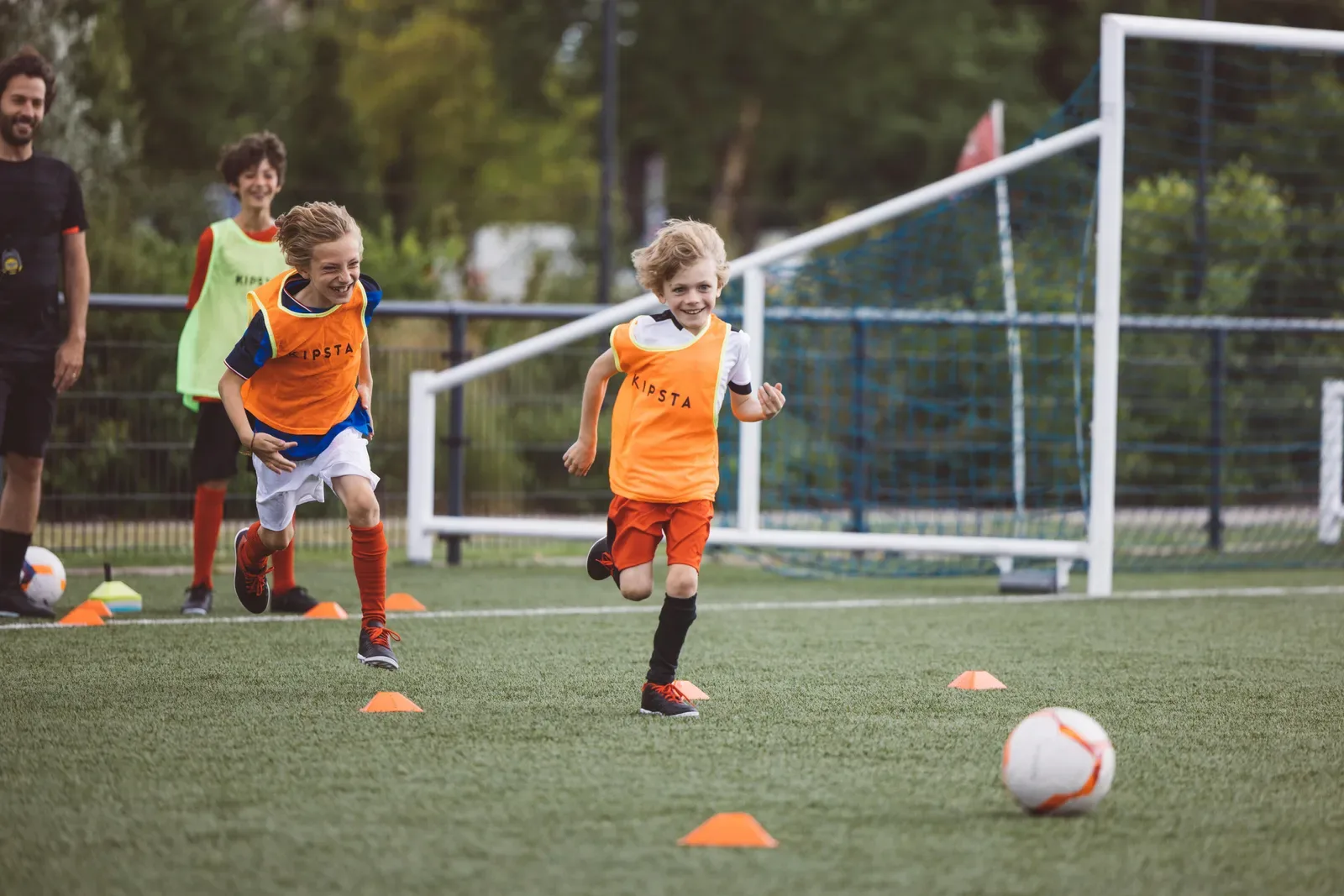
Soccer, footy and netball players use ladders to sharpen first steps and quick changes of direction.
An agility ladder trains quick, light feet for soccer, footy, netball and fitness. We'll help you choose a ladder and the simple speed kit that goes with it.
Ladders first, then the hurdles, markers and rings that go with them.
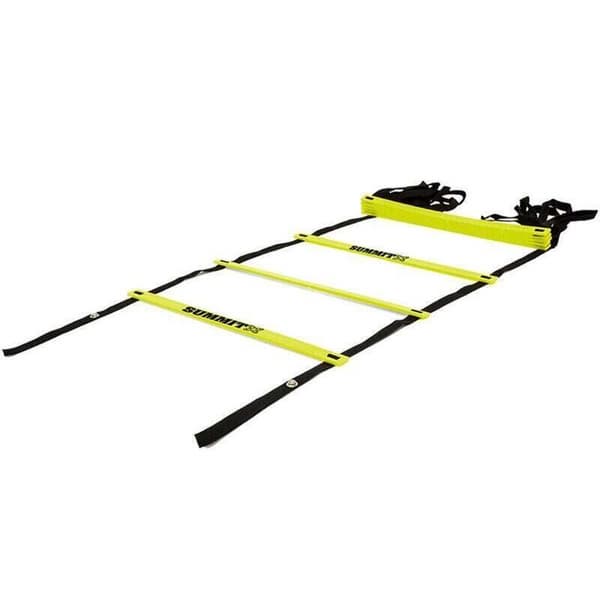
Flat-rung ladders for fast footwork drills on grass.
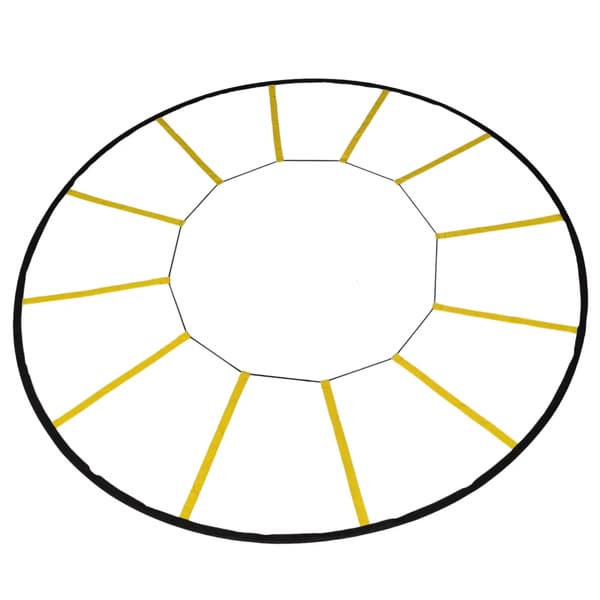
Spider-style ladders for side and diagonal steps.
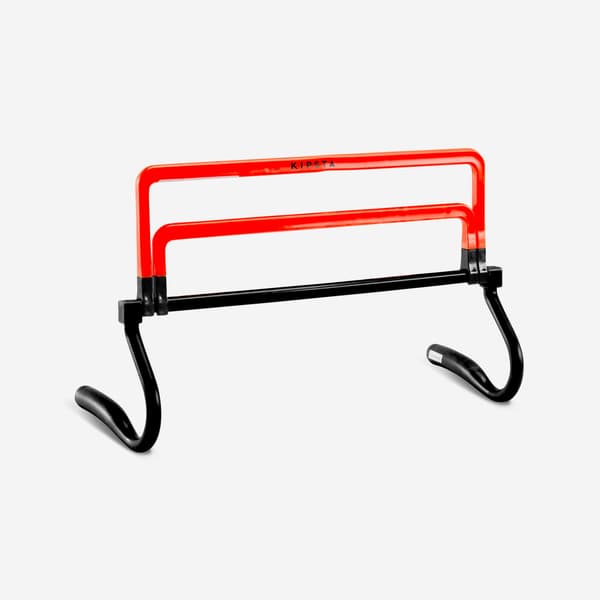
Low hurdles that adjust to three heights.
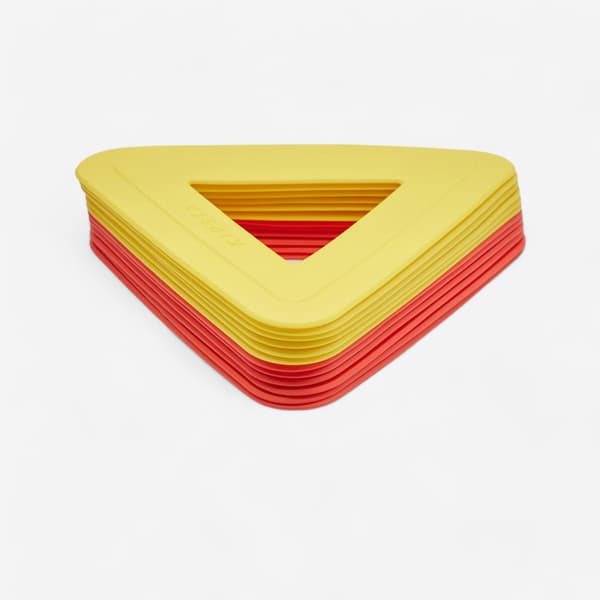
Flat discs and cones to mark out every drill.
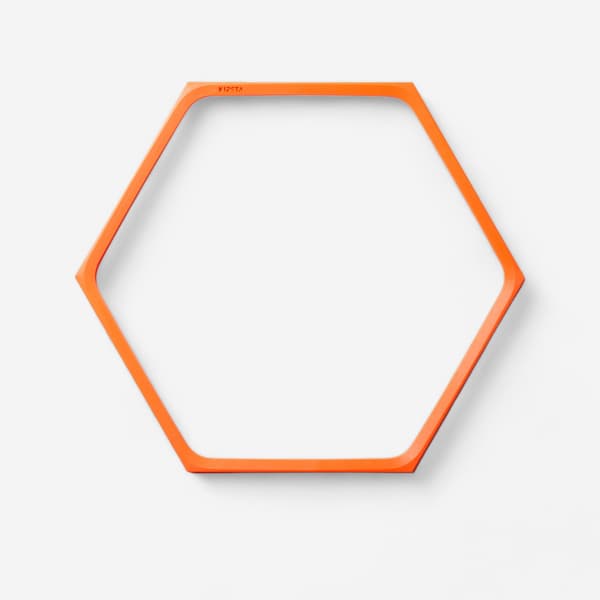
Flat rings for hopping and footwork patterns.
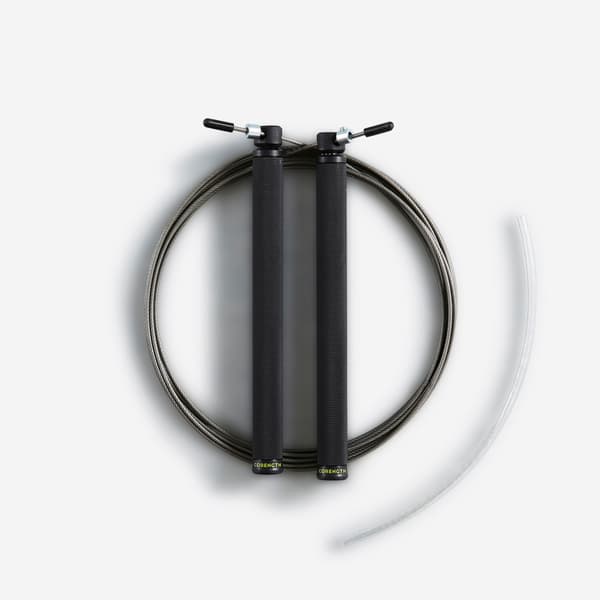
Speed ropes to build light, springy feet.
A longer ladder fits more steps into each run, while a shorter one packs away small and suits a backyard. Adjustable rungs let you change the spacing as your feet get quicker.
Flat rungs lie low on the ground, so a missed step is less likely to trip you. Check your ladder sits flat before each set and straighten any twisted rungs.
Grass, turf, courts and gym floors all work, but a ladder can slide on smooth floors. Pegs help on grass, and on hard courts it's worth a quick check that the ladder stays put.
A ladder that folds into a bag with your cones is easier to bring to training. Keep the whole kit together so set-up takes a minute, not ten.
Soccer, footy and netball players use ladders to sharpen first steps and quick changes of direction.
Ladders, hurdles and markers turn a patch of grass into a circuit for a whole squad.
A ladder and a skipping rope add fast, low-impact footwork to a backyard workout.
| Item | What it trains | Tip |
|---|---|---|
| Agility ladder | Fast, precise footwork | Start slow and stay on the balls of your feet |
| Speed hurdles | Knee drive and rhythm | Begin on the lowest height |
| Cones and flat discs | Sprints and changes of direction | Flat discs are safer to run over |
| Training rings | Hops and foot patterns | Lay them in a line or zigzag |
| Skipping rope | Light, springy feet | Use it as part of your warm-up |
An agility ladder is a flat ladder you lay on the ground and step through in patterns. It trains quick, accurate foot placement, balance and coordination, which helps with first steps and changes of direction in sports like soccer, footy and netball. It also makes a fun, low-impact addition to a fitness session.
A longer ladder gives you more steps per run and room for more complex patterns, which suits teams and open spaces. A shorter ladder is easier to store and works well in a backyard. If you train in different places, a ladder with adjustable rungs gives you more options.
Yes, on a gym floor or court a ladder works well, though it can slide on smooth surfaces. Lay it flat, check it stays in place and keep the area clear around it. Outdoors on grass, pegs help hold it steady.
Begin with simple patterns, like one foot in each square, then two feet in each square, at a pace where you stay accurate. Speed comes once the pattern feels natural, so focus on staying light on the balls of your feet. Warm up first, and if you're coming back from injury, check in with a physio or coach.
Cones or flat discs help you mark out sprints and turns, and low hurdles add knee drive and rhythm. Training rings are handy for hopping patterns, and a skipping rope builds light, springy feet. A bag to keep it all together makes it easy to bring to training.
Lay out a ladder, add a few markers and start with simple patterns. Our fitness range has the rest of your training kit.
Free delivery on orders over $150. Members get our lifetime warranty.